Can You Do This Yourself
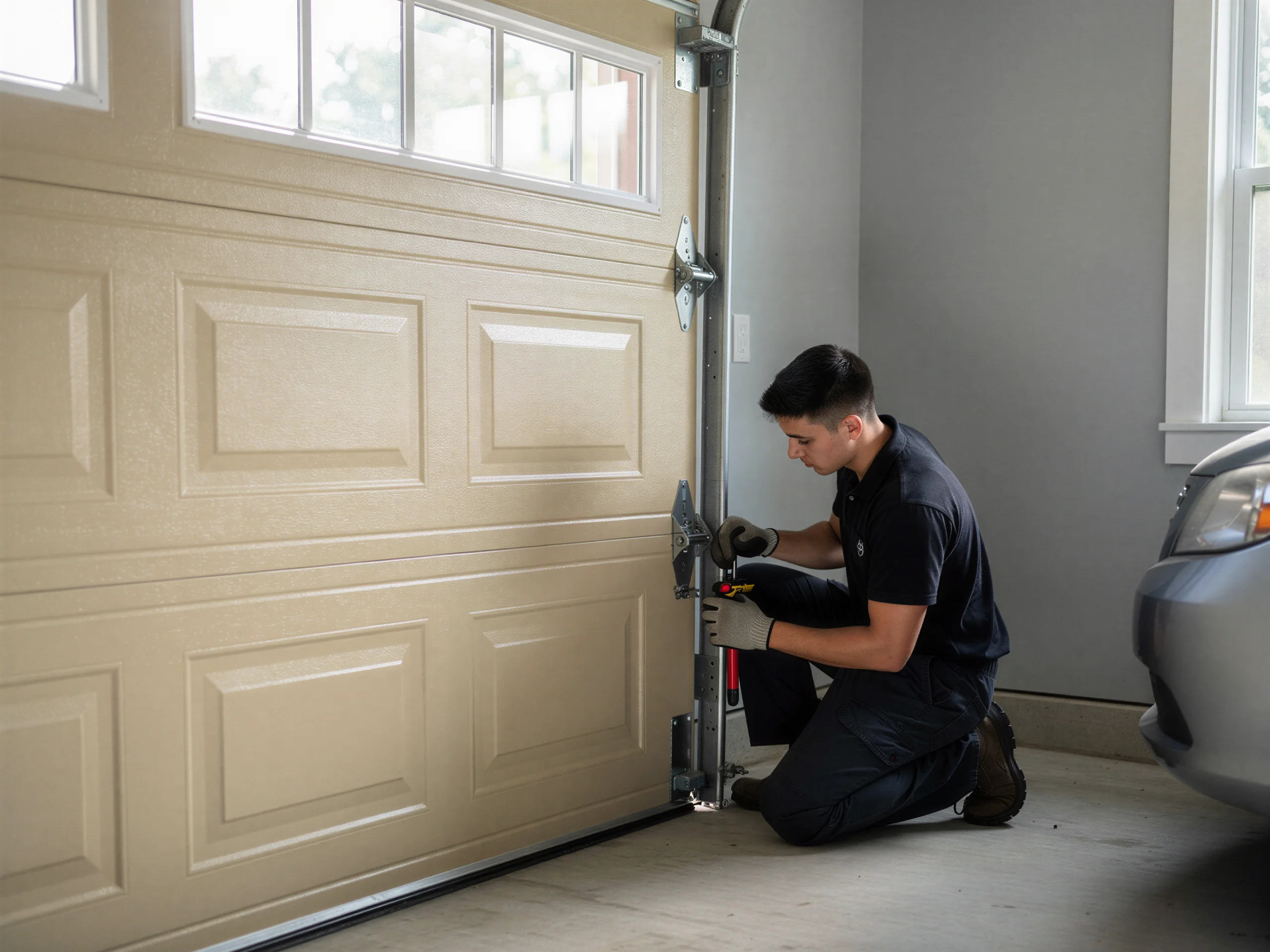
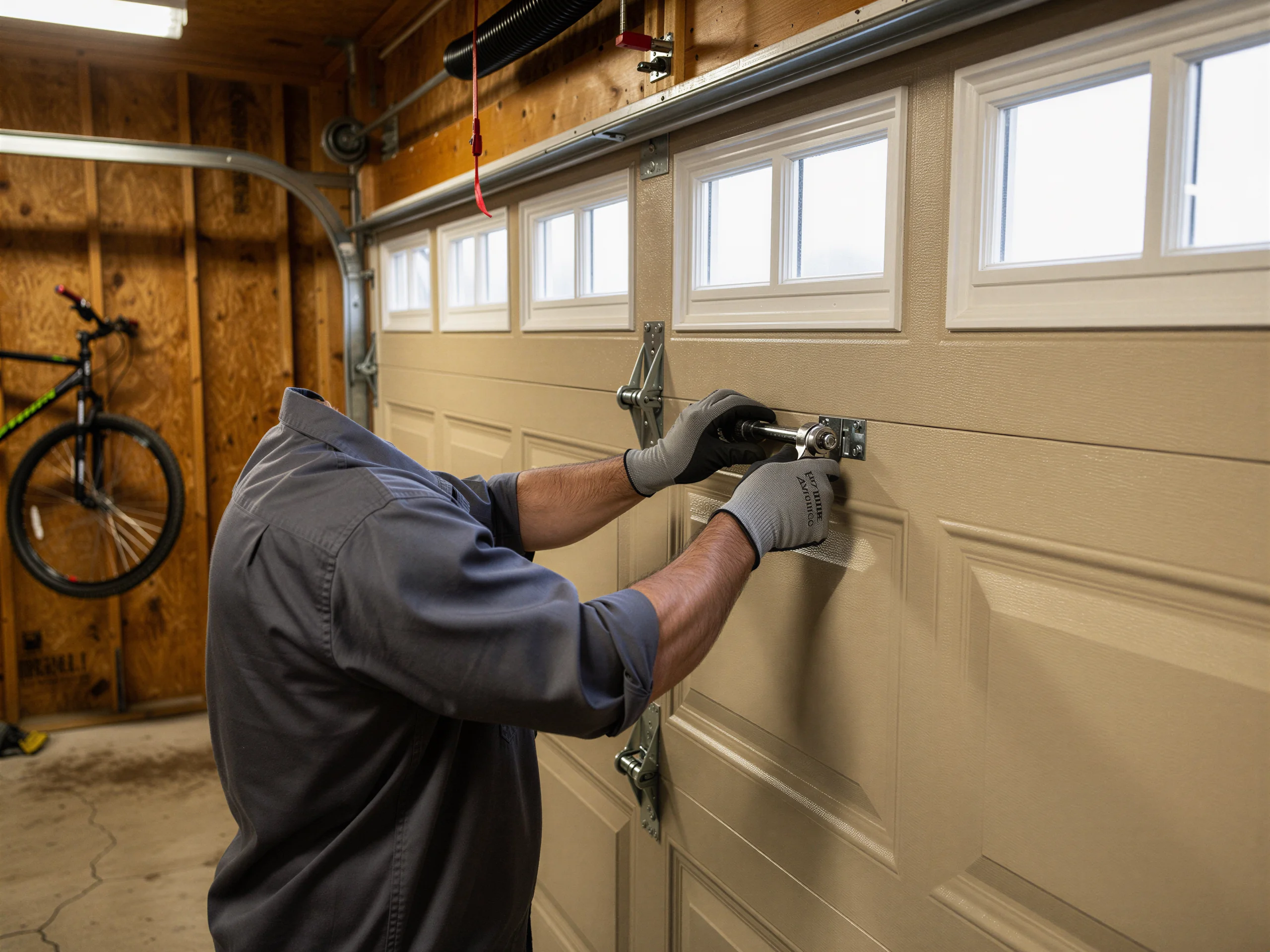
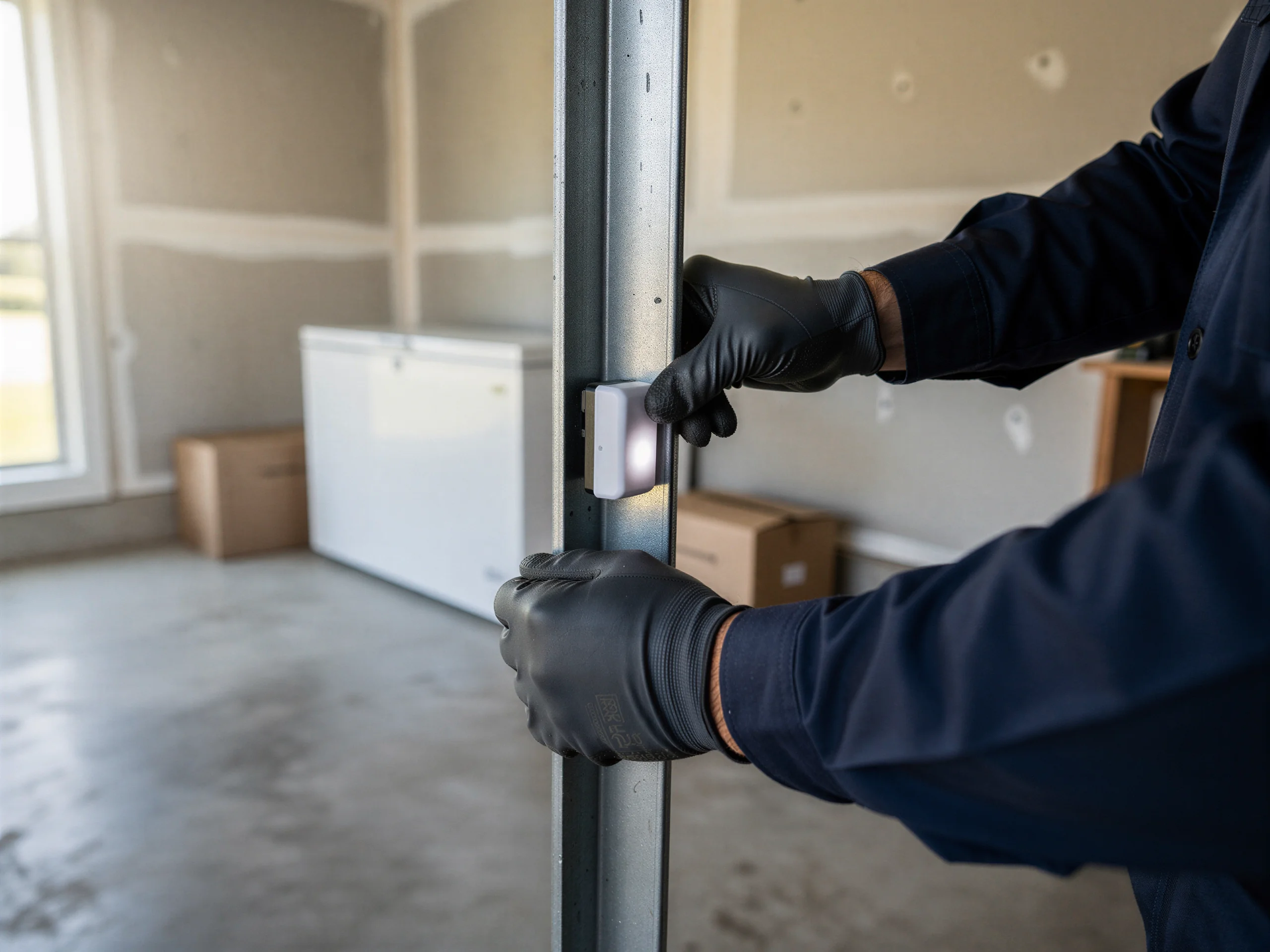
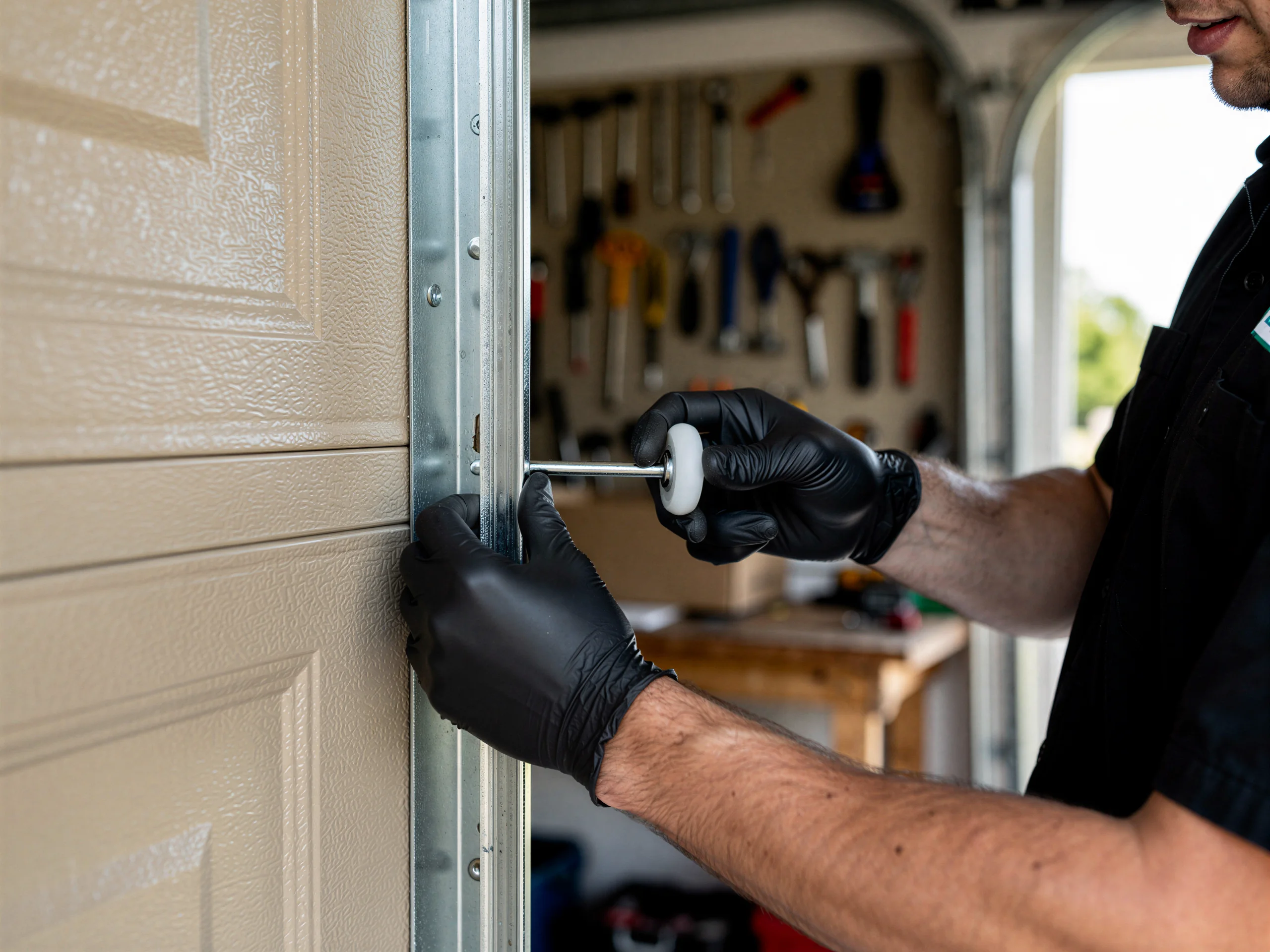
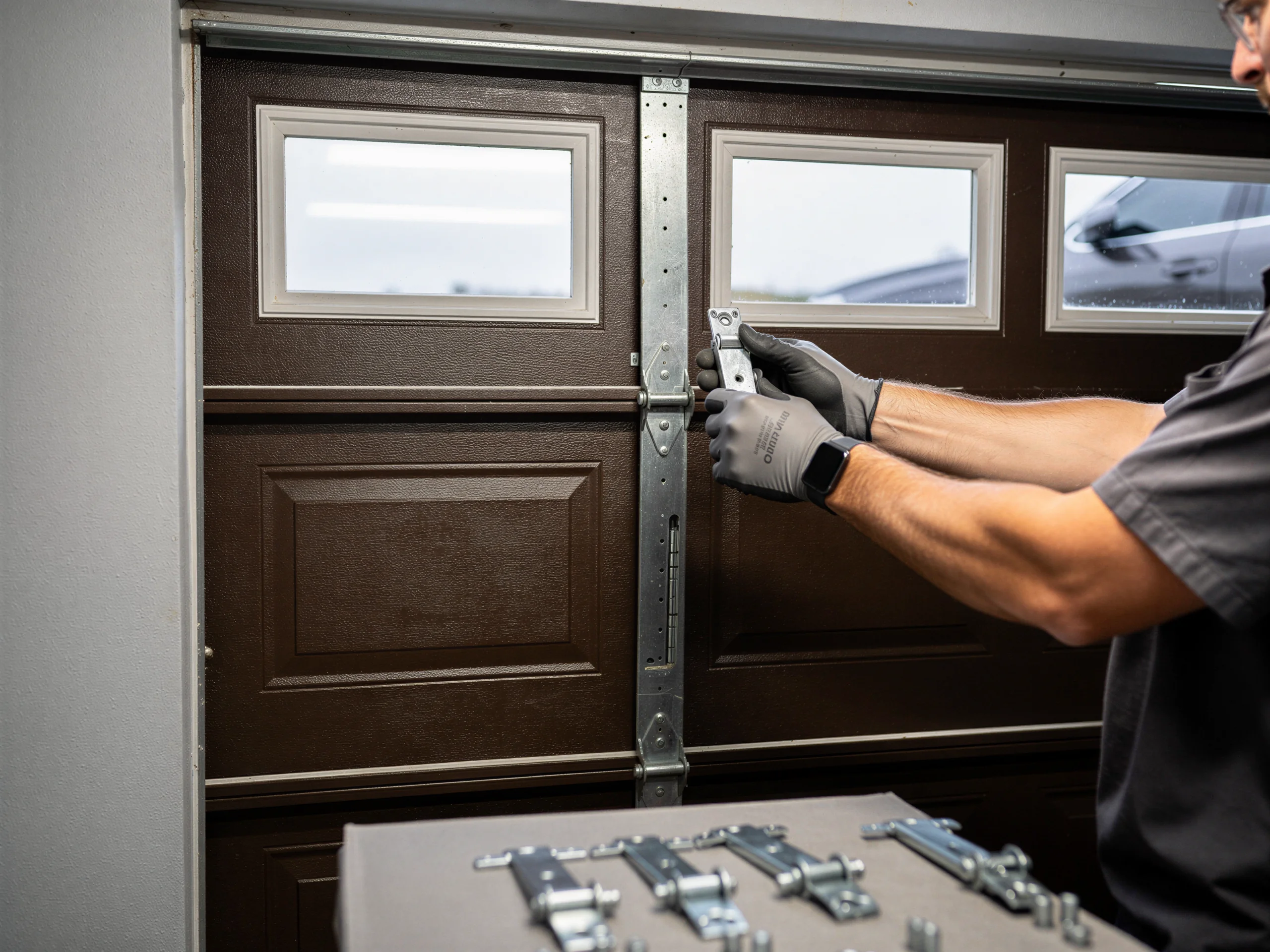
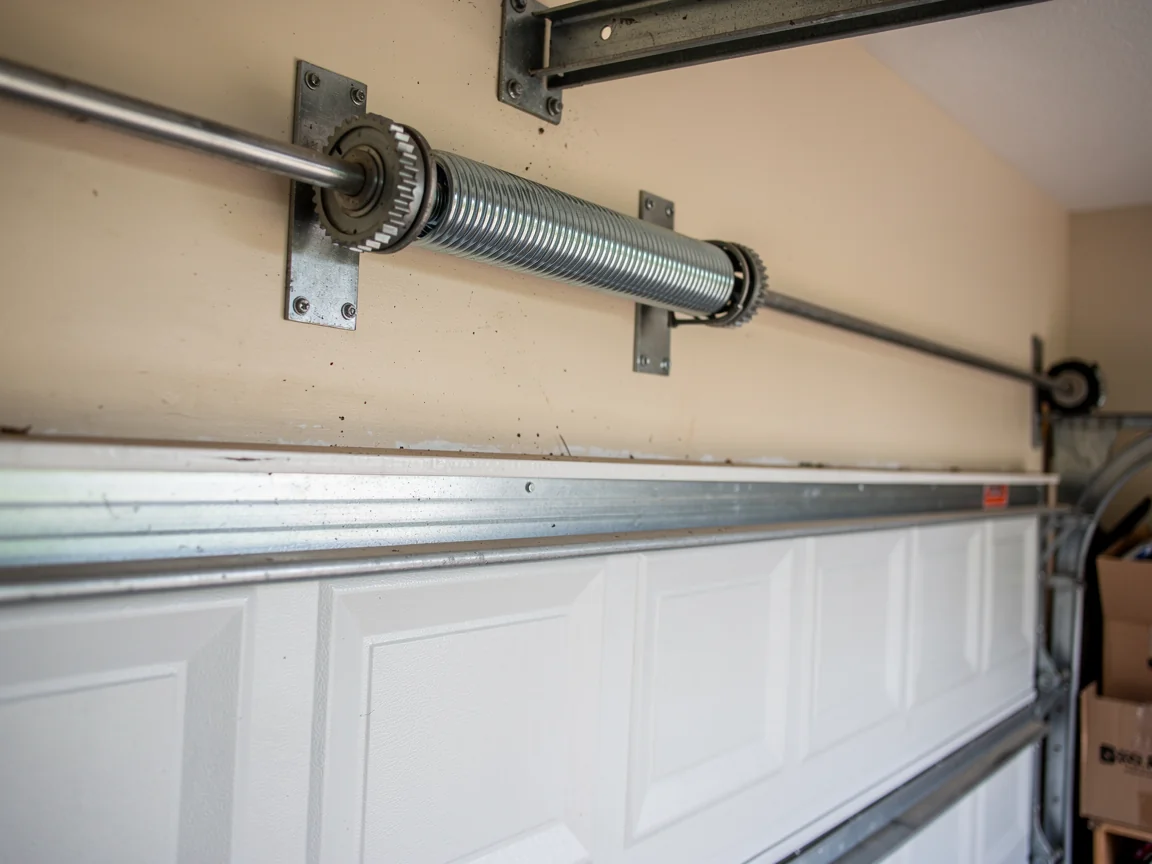
Swapping a single damaged panel looks simple on a video and is not, especially on a door that's been hanging since the early 1970s. You have to pull the door off its rollers enough to free the section, support the rest of the door so it doesn't rack in the tracks, and get hinge bolts lined back up without stripping the holes in steel that's had fifty years to fatigue. If the section you're replacing sits below the bottom roller bracket, you're also dealing with spring tension holding the whole assembly shut. We'll be straight with you: a single-panel swap on a newer door with standard hardware is within reach for someone handy with a socket set and a second pair of hands. On a door built around 1970, the hardware spacing and panel profile are often not what a hardware-store kit assumes, and a bent panel put back in wrong will bind every time the door runs.
Why This Fails Locally
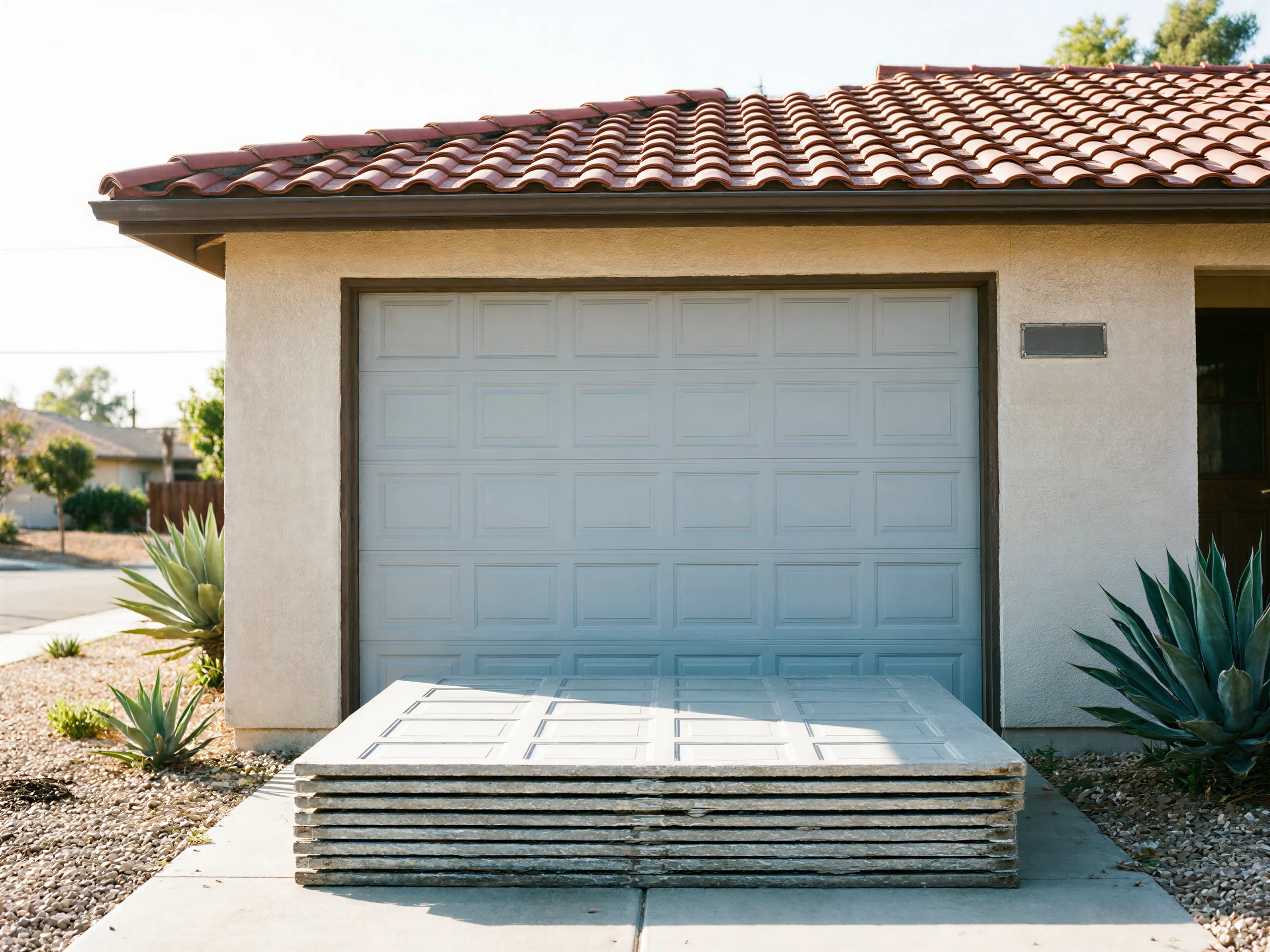
Most houses on this side of the Ventura area went up between 1956 and 1997, and Meiners Oaks itself sits right in the thick of that, with a median build year around 1970. Doors from that period were almost never sold in panel widths that match what's stocked today - manufacturers have resized sections multiple times since, and a wider or narrower replacement panel will not seat flush against its neighbors. We've seen owners order a panel online, have it arrive close but not exact, and end up with a quarter-inch gap that lets the weather strip fail at that seam. On a door this old the steel gauge has usually changed too, so a new panel can flex differently than the ones next to it, and that shows up as a visible seam line even after paint. This isn't a Meiners Oaks-specific defect, it's just what happens when a 1970-era door meets a 2024 parts catalog - the fix has to account for the mismatch, not pretend it isn't there.
Parts We Carry
We keep panel stock sized for the door generations common across this part of the service area, which covers the 1956-1997 build range you'll find across the fourteen communities we run to, Meiners Oaks included.
Early-1970s groove profiles
For doors from the early 1970s specifically, we carry sections in the groove profiles that era actually used, not just the current standard width - that's the detail that keeps a replacement panel from standing out against the rest of the door.
Discontinued door finishes
What we don't carry on the truck is a match for every discontinued color or embossed texture ever sold. If your door has a finish that's been out of production for decades, we'll tell you straight whether a close match is good enough or whether the honest answer is replacing the full door so every panel matches.
Painting new panels
Painting a single new panel to blend is sometimes the right call and sometimes a waste of your money - depends on how visible that bay is from the street.
What You Are Seeing
A damaged panel usually announces itself one of three ways. You've got a visible dent or crease from a backed-into bumper or a thrown branch, and the door still runs but looks rough.
Buckled or rotted sections
You've got a section that's buckled enough that the door binds in the track on that side, catching or grinding when it opens. Or you've got a panel that's rusted or rotted through at the bottom - common on doors from this era where the original steel gauge was thinner and decades of ground moisture have had time to work on it.
Single-section repair
Any of these three can usually be fixed by replacing just that section rather than the whole door, as long as the rest of the panels and the track are in decent shape.
Nearing end of run
If more than two sections show the same wear, that's usually a sign the whole door is nearing the end of its run, not just that one spot.
The Complications
The main complication on a door this age is availability, not labor. A panel ordered to match 1970s-era stock sometimes has to come from a supplier run rather than off a shelf, and that adds days you wouldn't see on a newer door with current-spec parts. Color match is the second issue - factory finishes from that period have faded and chalked over fifty years of sun, so a brand-new panel next to original ones will look two shades off even in the right profile, and we'll tell you that up front rather than let you be surprised on install day. Because this is a drive job out of Ventura rather than a local branch call, we also need the panel on the truck before we come out - a return trip for a part we didn't know we'd need costs you a second visit instead of one. That's why we ask for photos of the damaged section and, where possible, the door's data plate before we schedule.
How Long It Takes
Once we've got the right panel on the truck, the swap itself usually runs under two hours - the labor isn't the long part of this job. The variable is getting the correct section in hand first, since doors from the 1970 era this town's housing clusters around aren't always a same-day match from standard panel stock. We'll confirm the panel before we make the 12-mile drive out from Ventura, so the visit itself is the install, not a diagnosis-and-reschedule. If your door needs a full teardown because more than one section is shot, plan on closer to half a day once the parts are confirmed.
Talk to a local pro
Garage door service in Ventura?
Same-day service with honest, upfront quotes.