Can You Do This Yourself
A fair amount of basic upkeep is within reach of most homeowners: wiping down tracks, checking that the auto-reverse still catches on a 2x4 laid flat under the door, and looking at the bottom rubber seal for cracking.
Winding cone hazard
What you shouldn't touch is the torsion spring or anything under tension - on a door built around 1970, that spring has likely never been replaced, and a 50-plus-year-old winding cone is not where you want to learn spring mechanics.
Right lubricant choice
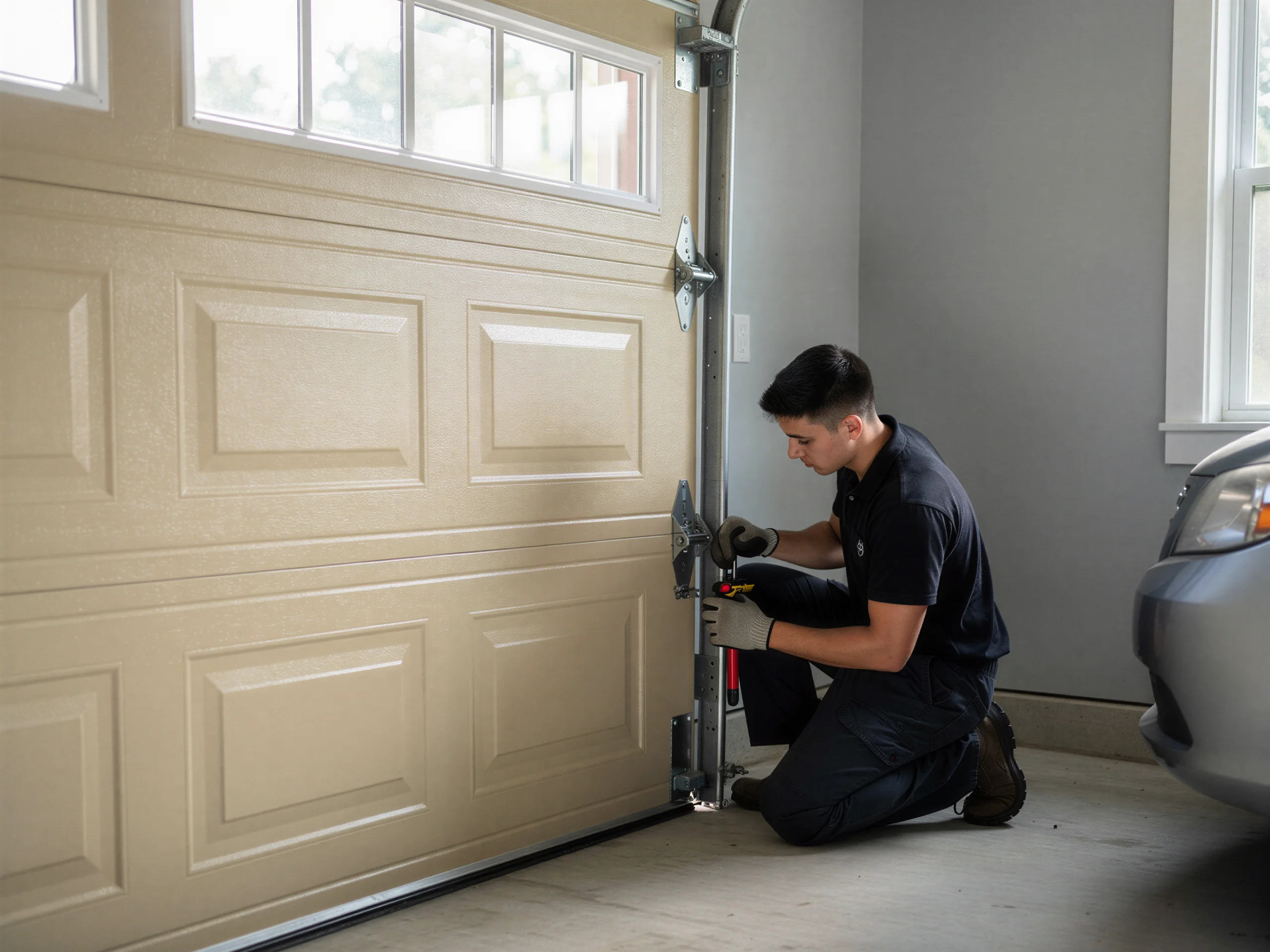
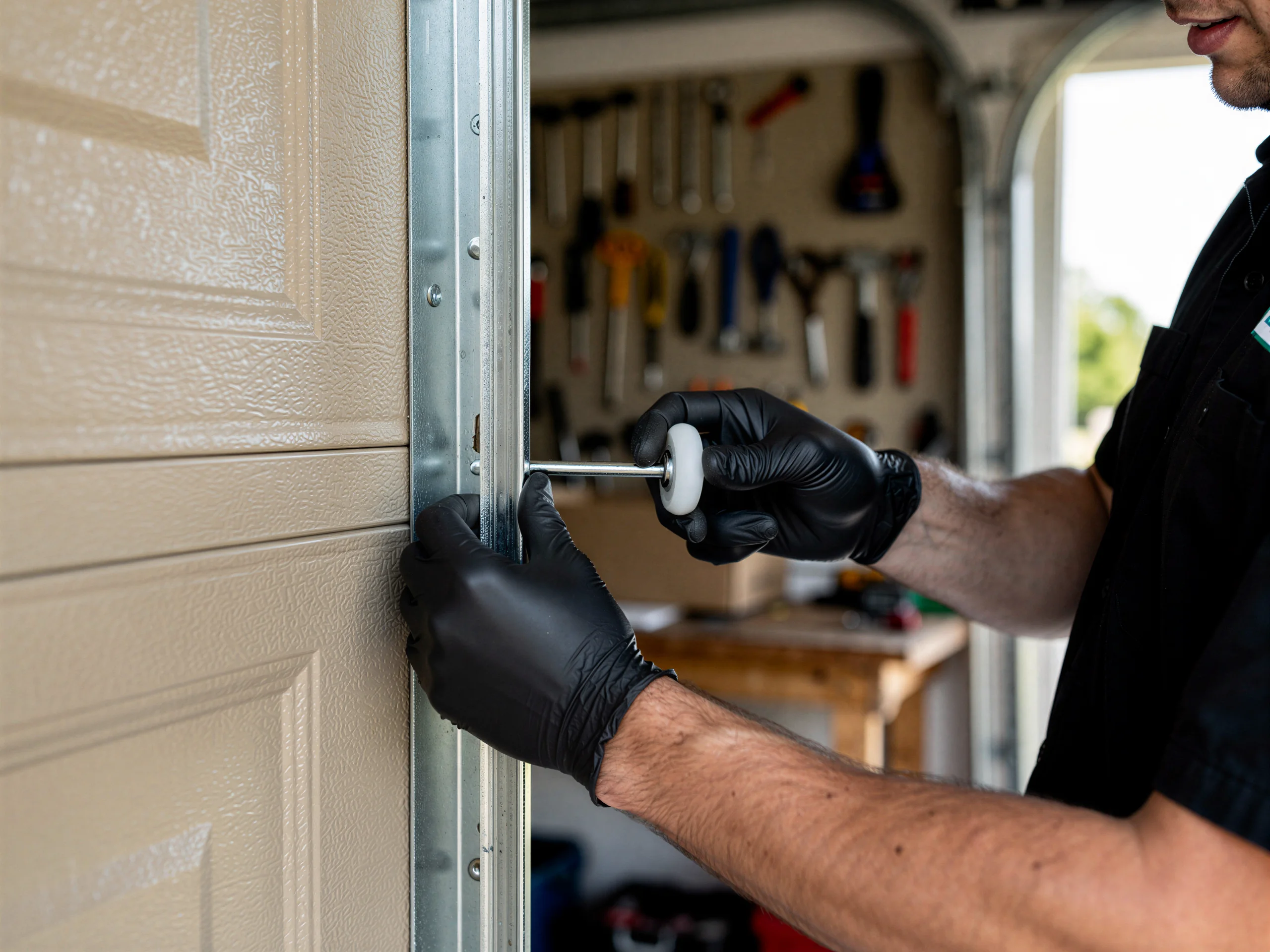
Lubricating hinges and rollers with the right product (not WD-40, which thins out and attracts grit) is a reasonable DIY task. So is tightening loose lag bolts on the track brackets, as long as the wood behind them hasn't rotted.
Twelve-mile service trip
Past that point - opener force settings, cable condition, anything involving the spring or the drum - call it in. We make the 12-mile drive out from Ventura for exactly this kind of work, and we'd rather walk you through what's safe over the phone than have you find out the hard way what isn't.
Why This Fails Locally
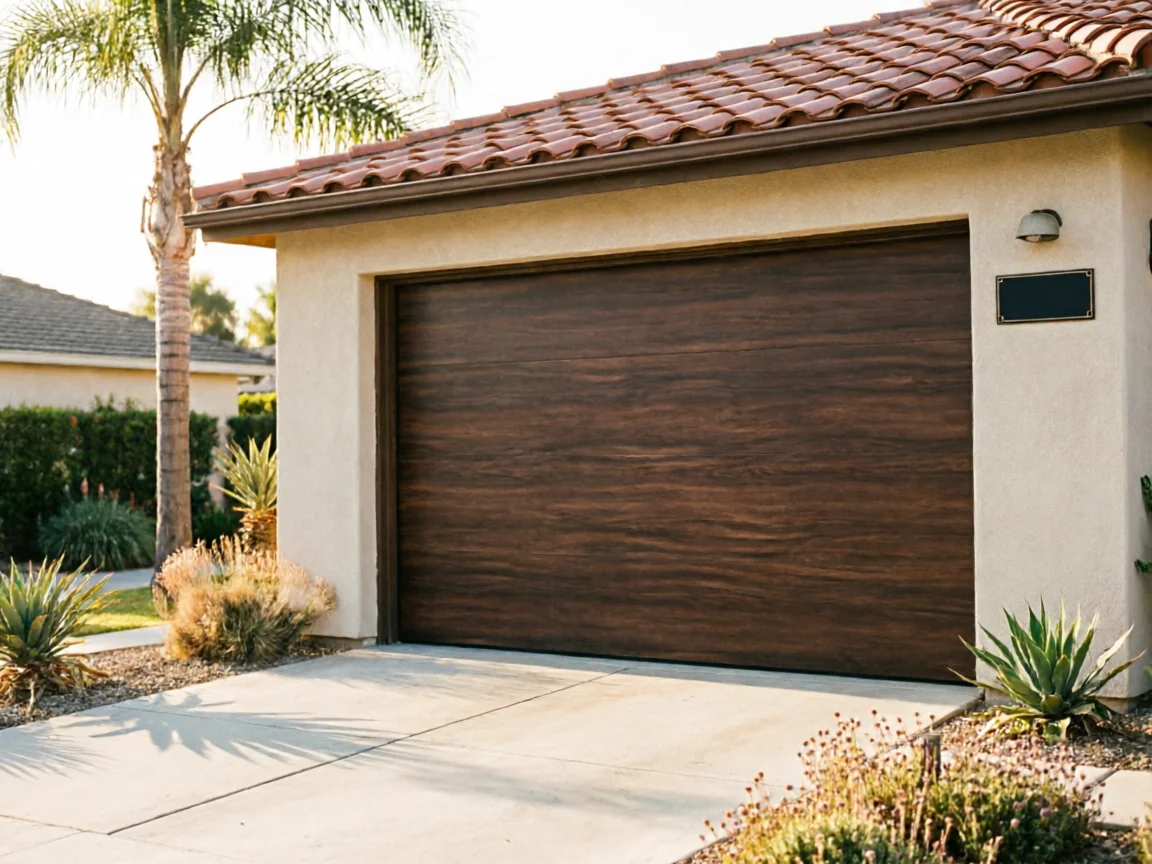
Meiners Oaks sits inside a service area where houses mostly went up between 1956 and 1997, with the median landing around 1973 - and this particular pocket centers closer to 1970. That means a lot of doors here are still running hardware installed when Nixon was in office: steel that's thinner than what's made today, galvanizing that's worn thin, and torsion springs well past any reasonable wind-cycle life. The mild coastal-inland climate here doesn't rust springs out the way a humid region would, which is actually the trap - the metal looks fine right up until it lets go. With roughly 1,571 households in this pocket of the broader area, a good share of them are sitting on fifty-year-old springs that have simply never failed yet, not springs that are fine.
Parts We Carry
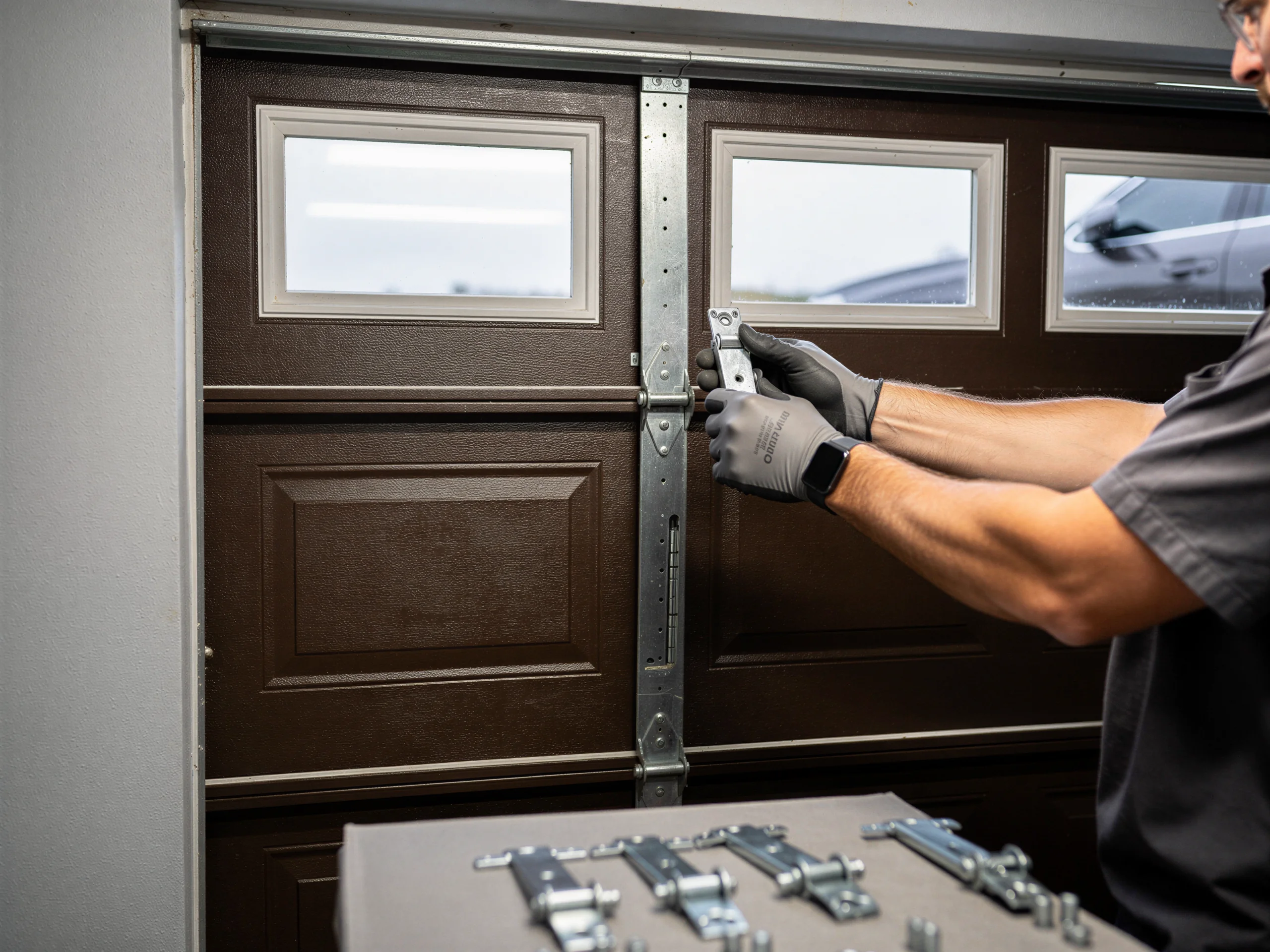
For doors from the 1956-1997 window that make up most of this area's stock, we carry standard torsion springs sized for the common residential door weights from that era, galvanized lift cables, nylon and steel rollers, and center and end bearing plates that match the older stud-mounted bracket pattern still found on houses from the 1970 build wave. We also stock weatherstripping and bottom seal track in the lengths that fit standard single and double doors from that period. What we don't keep on the truck is anything custom - oversized doors, specialty insulated panels, or opener models that have been discontinued for years. If a part on your door turns out to be one of those, we'll tell you straight that it's a special order rather than pretend we can swap it same-visit.
What You Are Seeing
If your door is noisy going up but quiet coming down, that's usually dry rollers or bearings - not the spring yet. If it's the reverse, loud on the way down with a thump near the bottom, check the cable drums for fraying first.
Stalling partway open
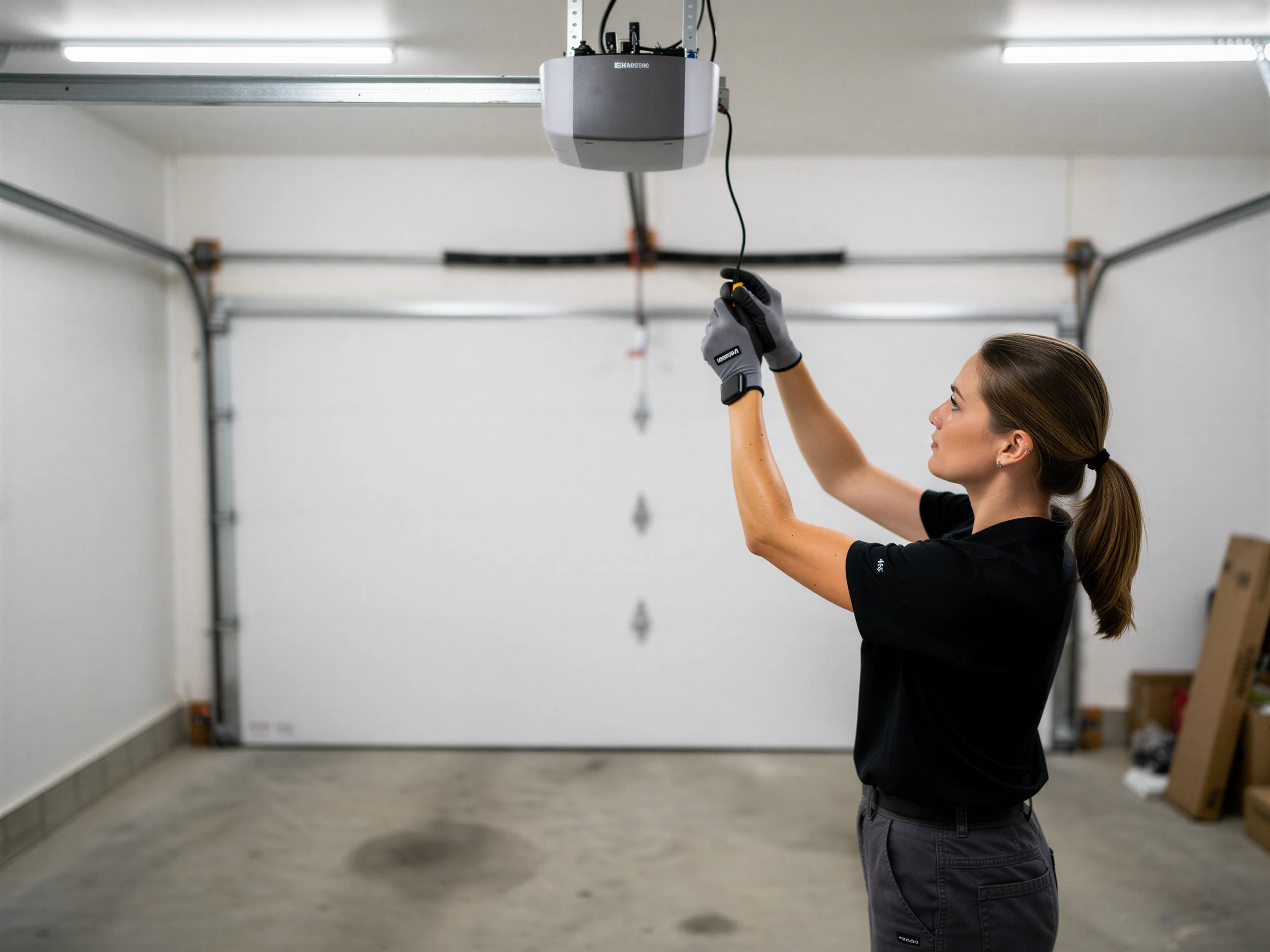
A door that opens partway and stalls is often an opener gear worn from decades of lifting against an aging spring that's no longer doing its share of the work.
Daylight at bottom seal
Visible gaps of daylight around the bottom seal, or a door that looks slightly crooked in its frame, points to track misalignment that's been building slowly rather than happening all at once.
Compounding small problems
None of these are emergencies by themselves, but on a door this age they tend to compound - a loose roller wears the track, the track strains the opener, and eventually something gives at once.
The Complications
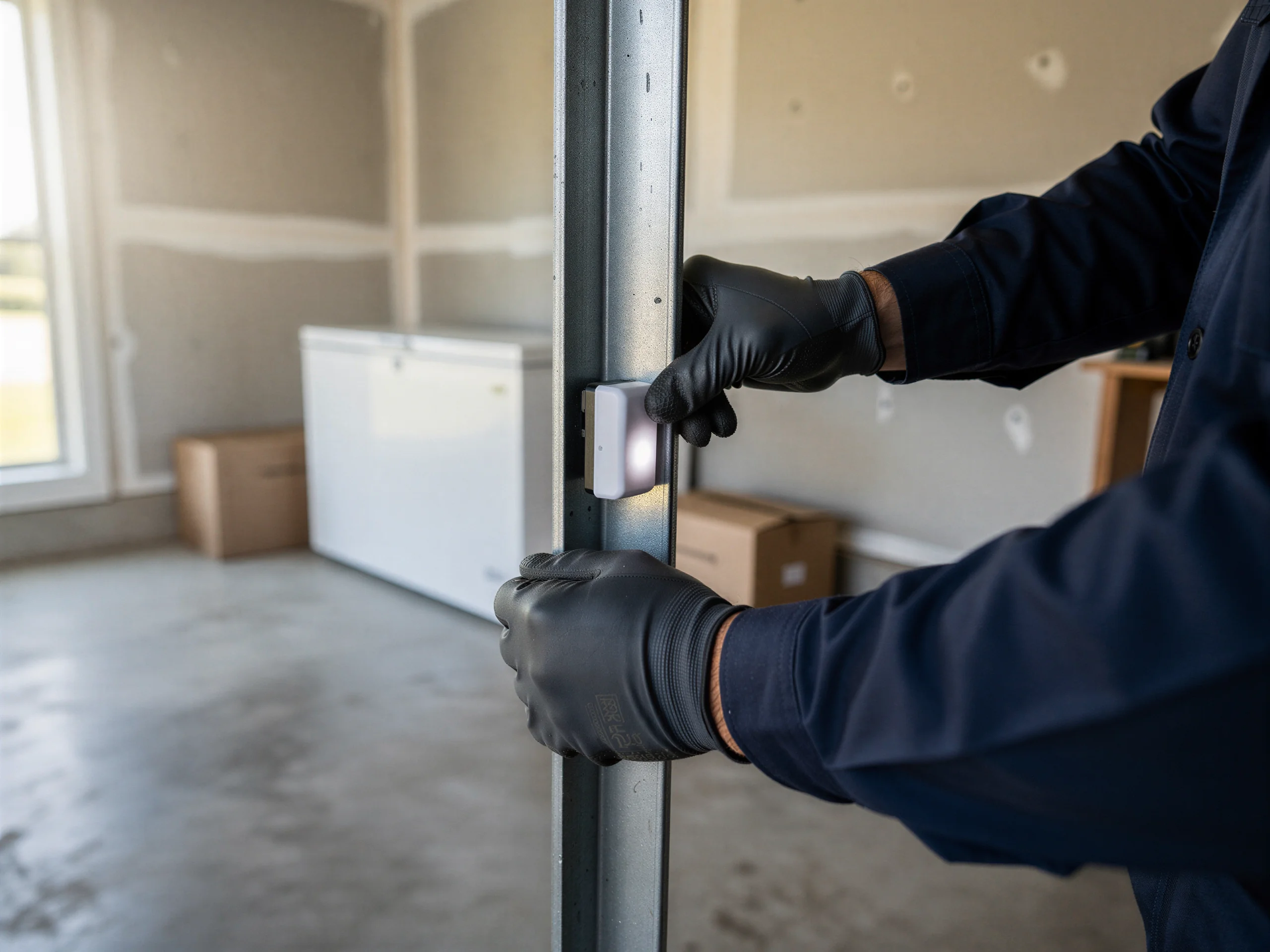
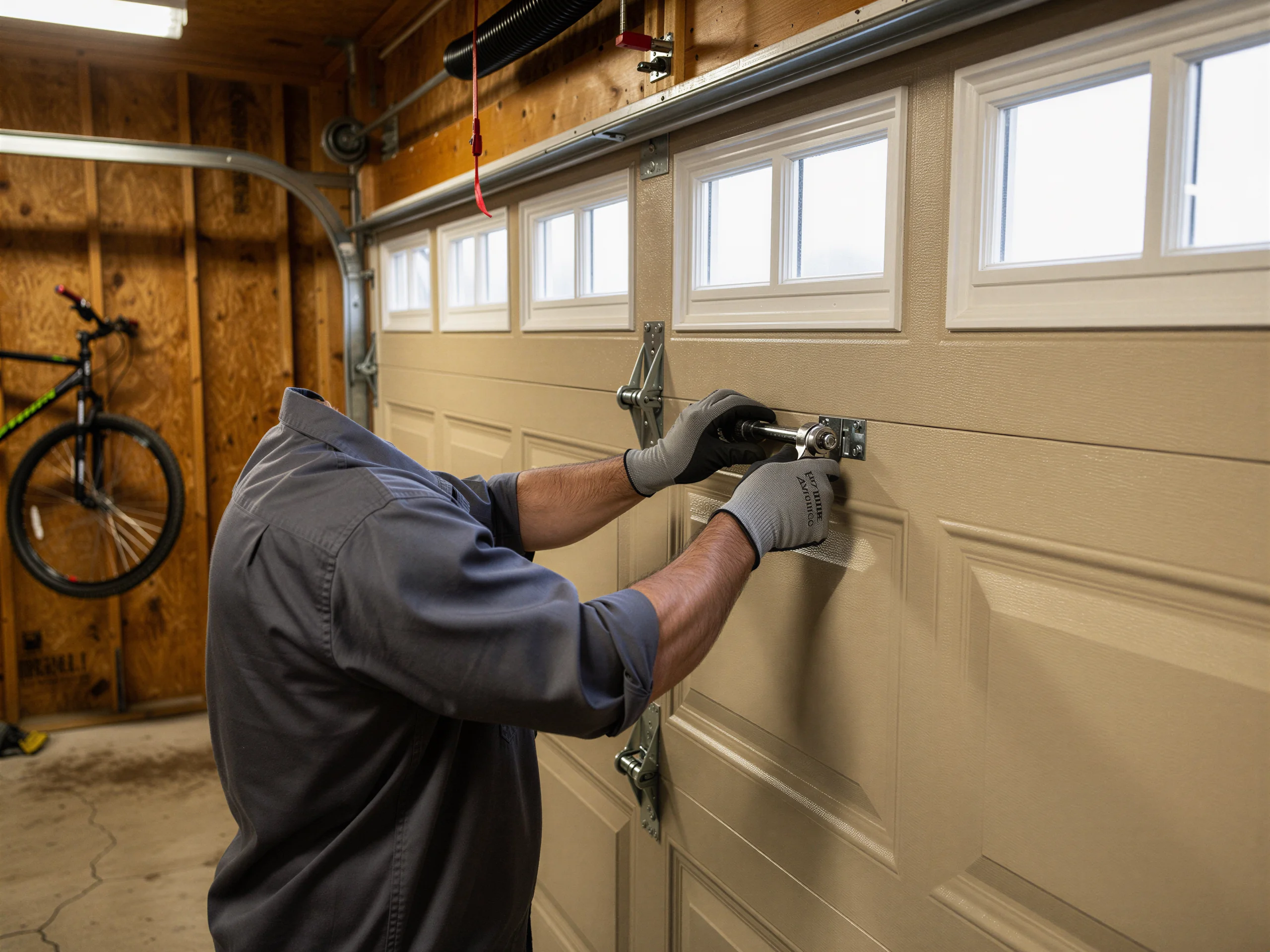
The complication with houses from this build period isn't usually the door itself - it's what's behind it. Track brackets lagged into original framing can be stripped or split after fifty years of vibration, and you don't find that out until you try to retighten them. Openers from later retrofits sometimes got bolted to headers that were never reinforced for the extra pull, which shows up as a sagging center track under load.
Talk to a local pro
Garage door service in Ventura?
Same-day service with honest, upfront quotes.