Local detail
Where People Go Wrong
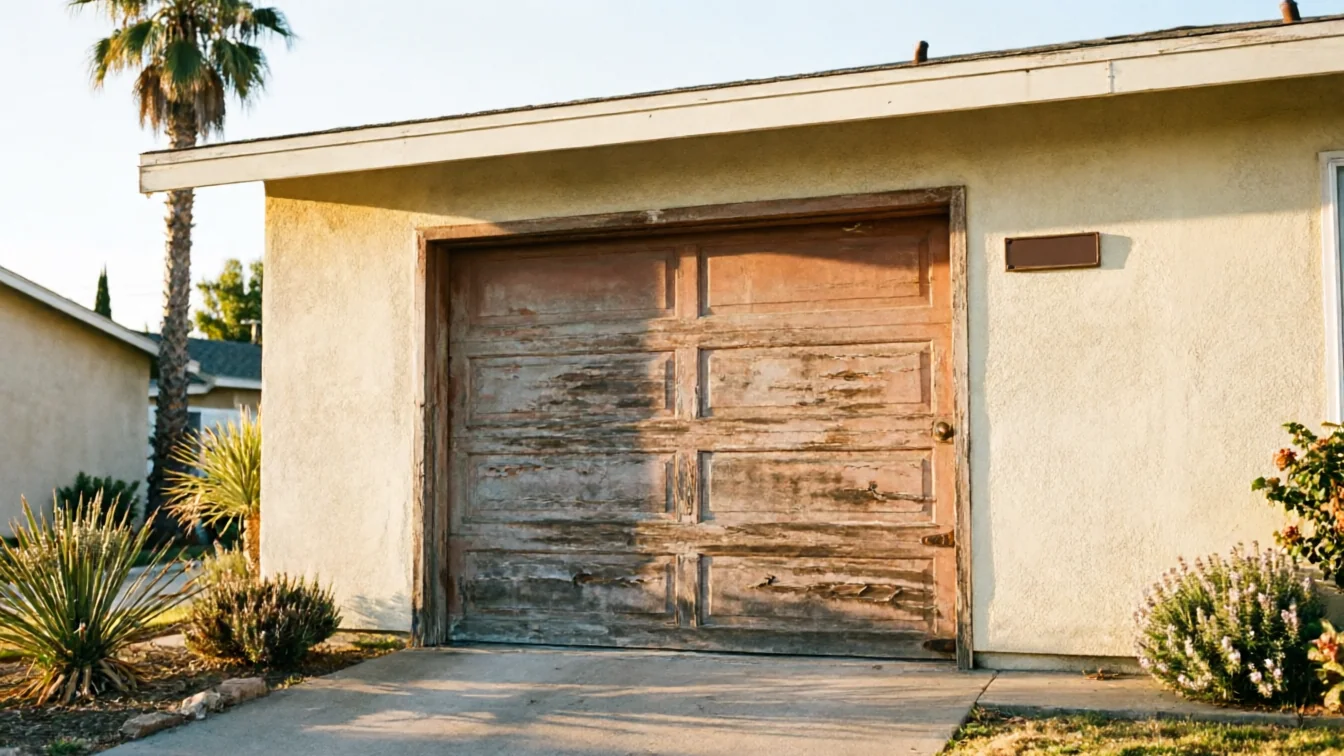
Most owners here think a mild coastal climate means the garage door hardware never has to work hard. That assumption is the mistake. Ventura's housing stock mostly went up between 1956 and 1997, with a lot of it clustered in the 1960s and 70s across the fourteen named areas that make up this service area. A torsion spring installed when a house was built in, say, 1968 has been cycling through decades of nights that dip cooler than the daytime high, even if the swing is only 15 or 20 degrees. People skip maintenance because nothing about the weather here feels extreme. Then a cold morning hits right as the metal is already fatigued from forty-plus years of temperature cycling, and the spring lets go on that one cold pull instead of a hot one. The error isn't ignoring a storm. It's assuming a mild band means no thermal stress at all. Steel doesn't care that Ventura is temperate - it cares about the swing, however small, happening on top of metal that's already near the end of its life from age alone.
The area
What Local Conditions Do
Ventura sits in a mild temperate band, which means the daily and seasonal swings are smaller than inland towns, but they aren't zero. Steel contracts as it cools, and a torsion spring that's already stretched thin from decades of cycles loses a bit more flex on the colder mornings. In a house built in the 1960s or 70s - which describes most of the stock here - that spring has had fifty-plus years of expansion and contraction even without dramatic weather. The mild climate doesn't eliminate the stress, it just spreads it out slowly enough that nobody notices until the morning it finally gives. Homes built closer to 1997, the later end of F1's range, have newer hardware and more cushion, but a lot of this area's stock sits much closer to the 1973 median, which means the springs on many doors are well past any reasonable service life regardless of weather. Cold isn't the cause here. Age plus a cool morning is just the trigger that finally exposes a spring that was already compromised.
What we find
Checking It Yourself
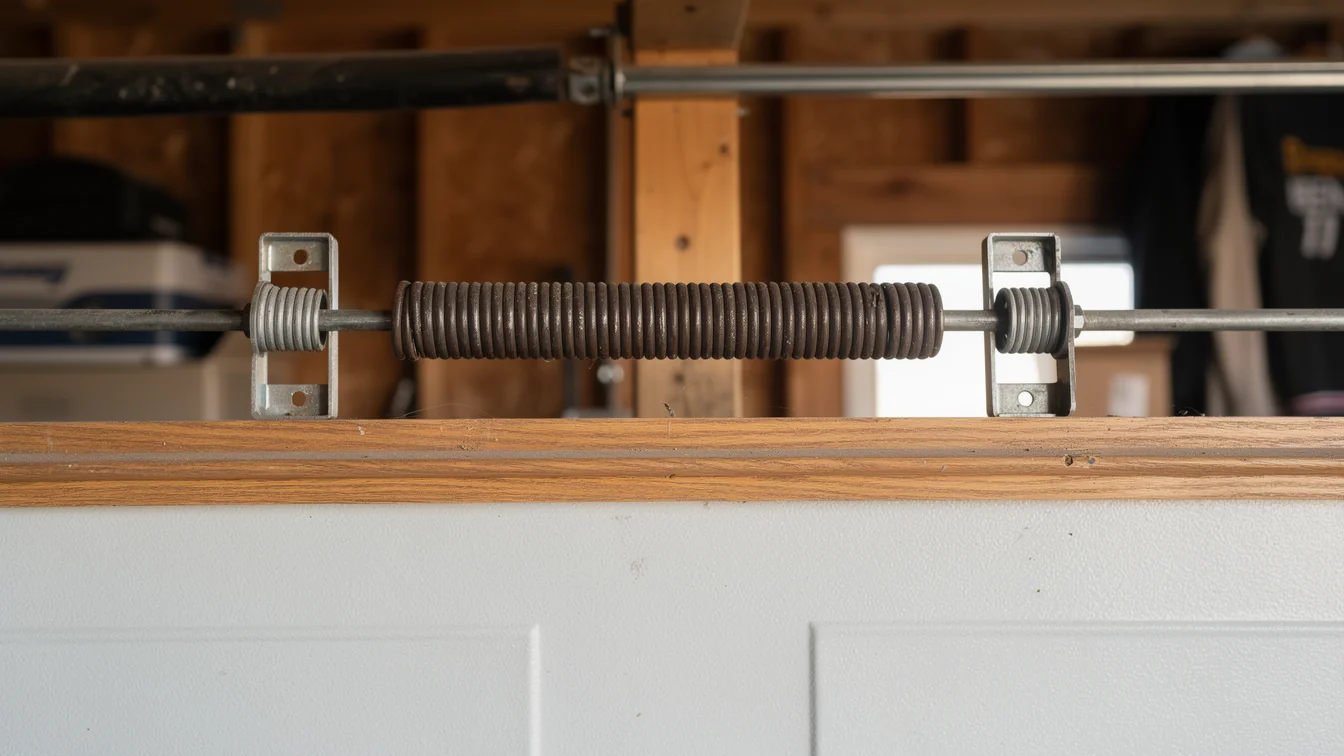
Look at the spring above your door - the coiled bar running across the top. If you can see a gap in the coil where it's clearly separated, stop and don't try to open the door; call it in. Short of that obvious break, check for rust flaking off the coils or a spring that looks stretched compared to its resting shape. Listen for a loud bang from the garage on a cold morning - that's often the sound of the spring letting go, not something breaking elsewhere. If your house dates from the 1960s or 70s range common across this area, and you don't have a record of the spring ever being replaced, treat it as original hardware nearing the end of what it can do. Don't try to adjust or wind a torsion spring yourself; that part of the job carries real risk of injury, and it's the one thing on this list we'd always rather you leave to a call than attempt solo.
How we work
The Problem
A broken spring on a cold morning in an older Ventura-area house isn't bad luck, it's math catching up. A spring rated for a certain number of cycles installed in a house from the 1956-1997 range has usually already logged more open-and-close cycles than it was built for, especially in homes nearer the 1973 median age. The mild climate here means that stress built up slowly instead of all at once, which is actually why it goes unnoticed for so long. We don't replace a spring just because it's cold outside - that's not the fix. The fix is replacing a spring that's aged out, whether or not the morning happens to be cool when it finally breaks. One limitation worth saying plainly: if your opener and track hardware are also original to a house from this era, a spring swap alone may not solve everything, and we'll tell you that honestly before doing work that won't hold.
Talk to a local pro
Garage door trouble in Ventura?
Same-day service with honest, upfront quotes.