Why This Fails Locally
Most of the houses we get called to across Ventura's 14 named areas went up between 1956 and 1997, with the median build year landing around 1973. That means a huge share of garages were framed for the door sizes and track clearances standard in the 1960s and 70s - not the 7-foot, insulated, dual-track doors sold today. When an owner tries to drop in a modern door without checking header height or track depth against a 1973-era opening, the install either jams on the jamb or leaves a gap that never seals right.
Ventura sits in a mild temperate climate band, so we're not fighting frost-heave on slabs or wild humidity swings that warp wood jambs the way colder or wetter regions do. That's good news for door life, but it also means a lot of original garages were built without insulation or weather seal in mind at all, since nobody worried about it then. Swapping in a new door on old framing without addressing that gap is the single most common mismatch we see on installation calls here, more than any mechanical failure.
Parts We Carry
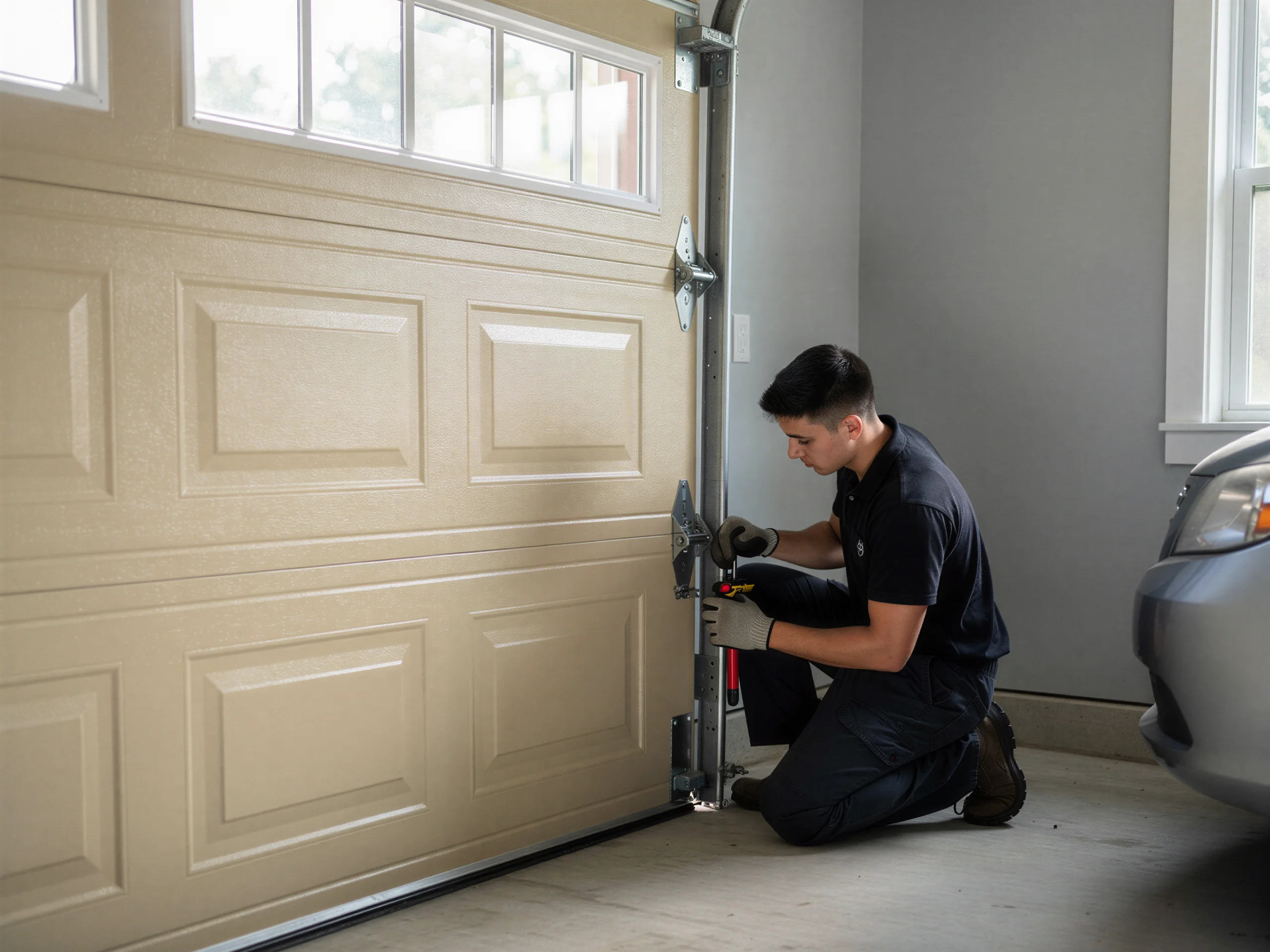
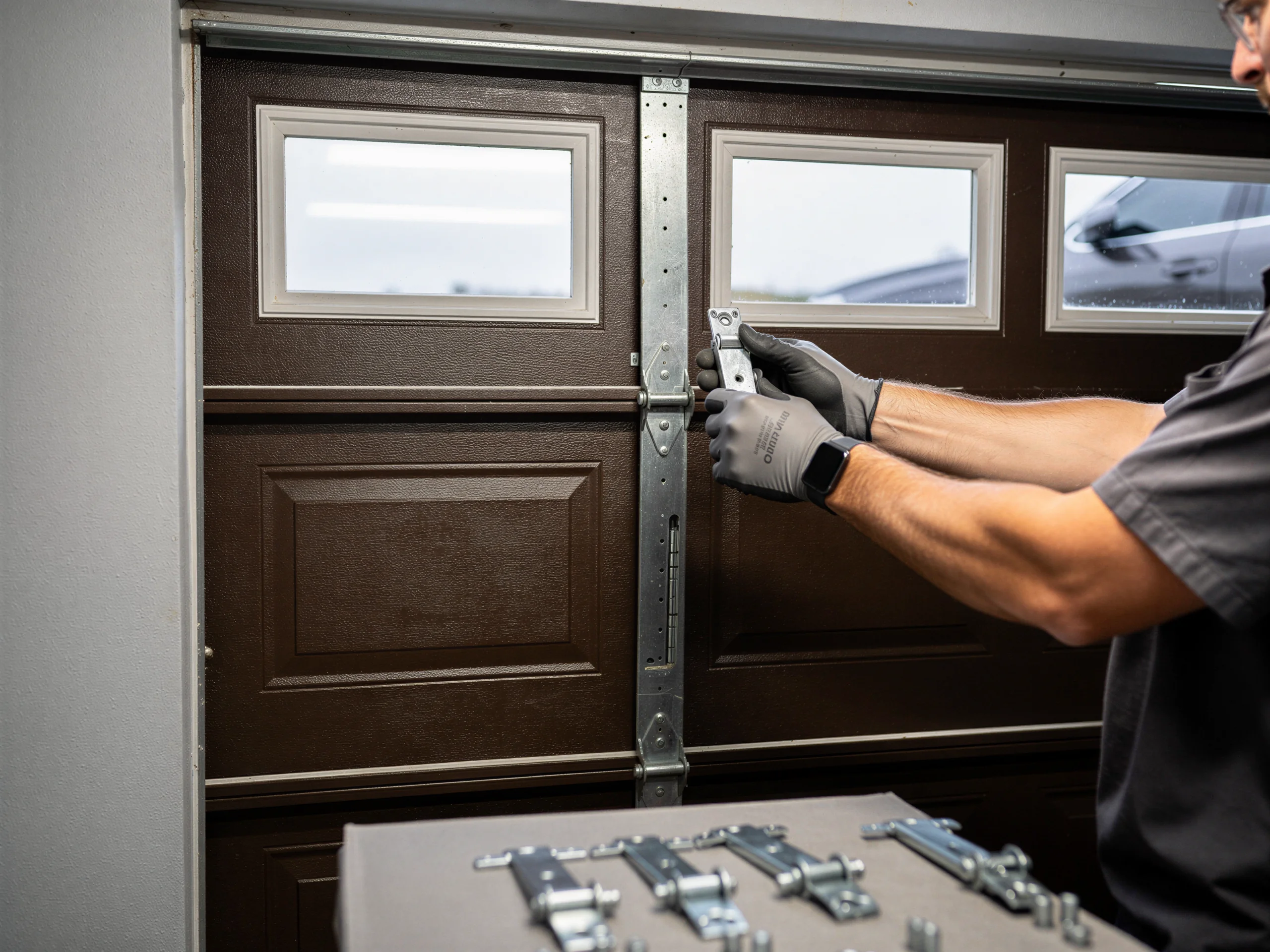
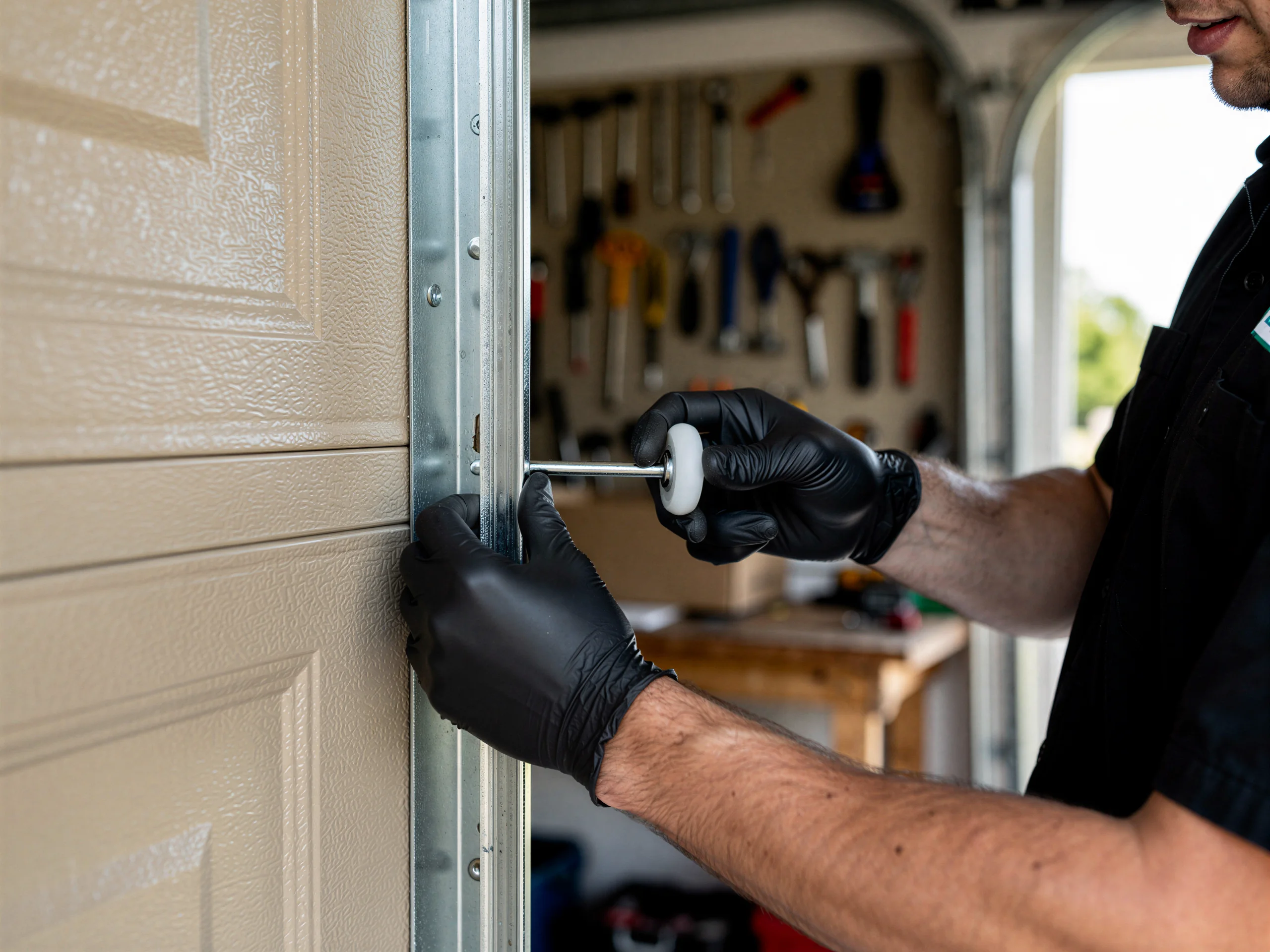
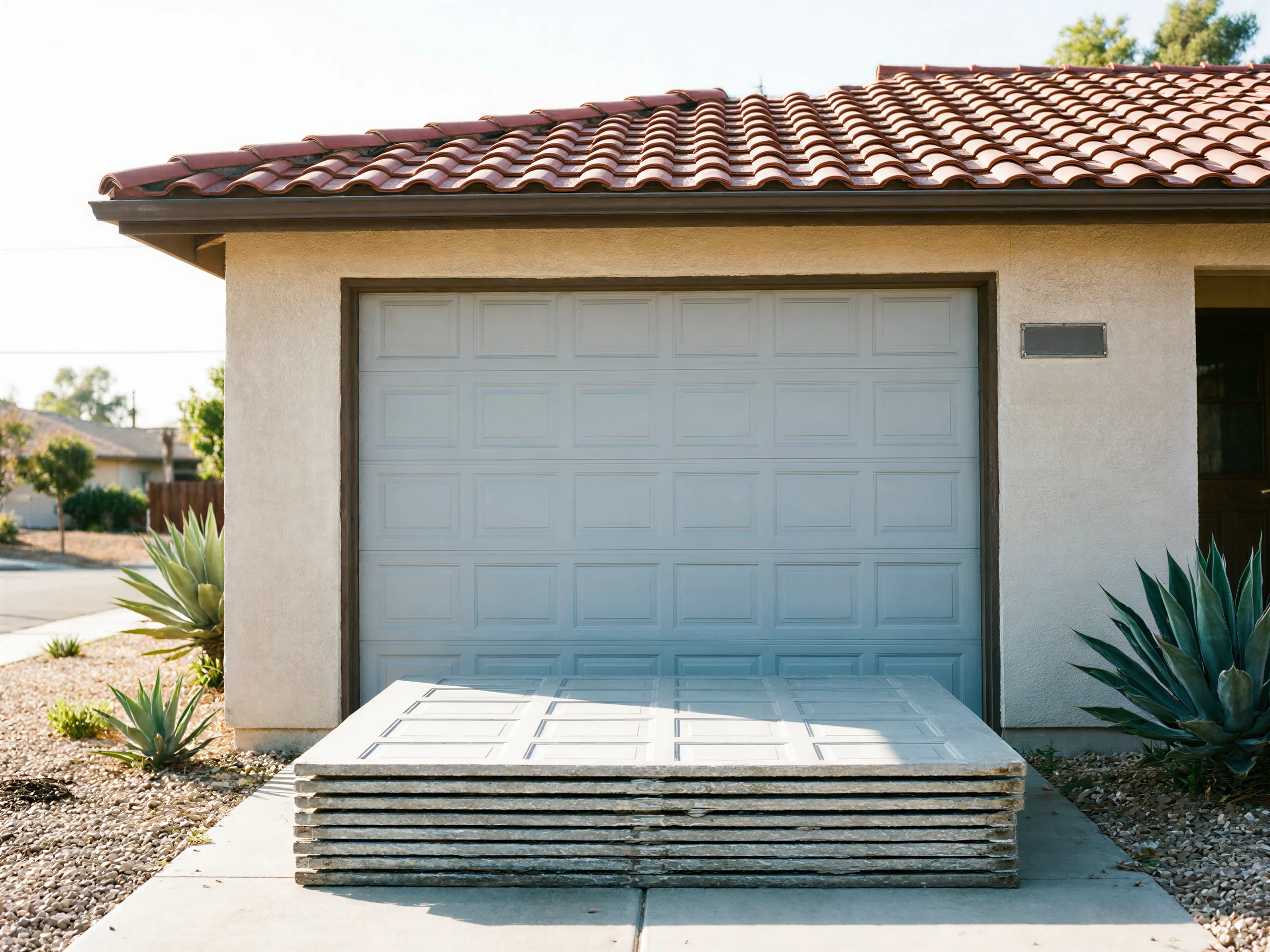
We stock door panels and track hardware sized for the openings common in 1960s and 70s construction, since that's what we run into across most of the service area - openings that often run narrower or shorter than current new-construction standard. We carry torsion spring assemblies rated for both single and double doors, standard-lift and low-headroom track kits for garages with tight ceiling clearance, and weather seal kits sized to close the gap on older jambs that were never built to hold one.
We don't stock every custom panel style on the market. If you want a specific architectural look that isn't a standard residential profile, that's a special order and it adds lead time - we'll tell you that up front rather than quote a date we can't hit.
How We Fix It
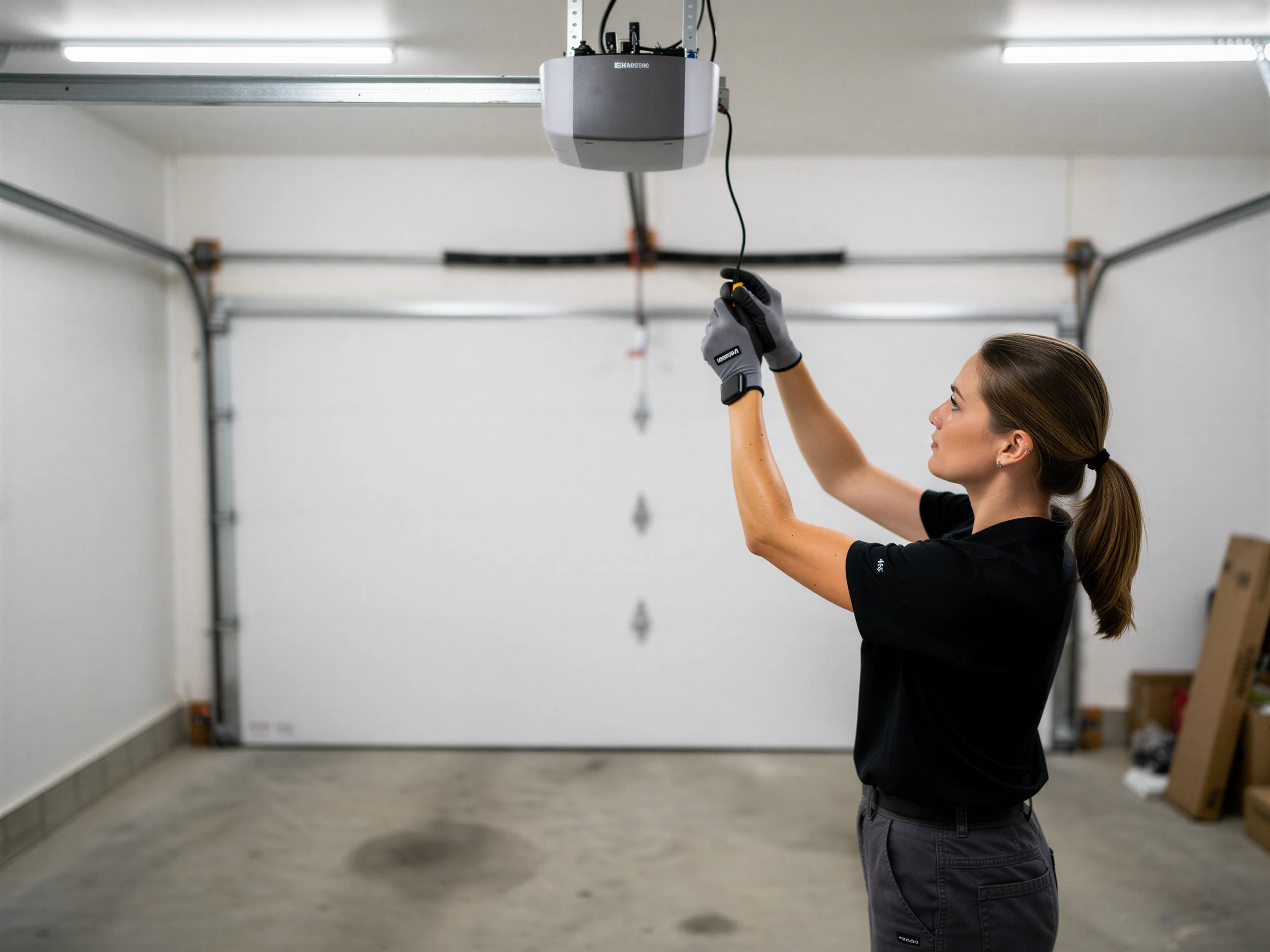
On an installation job, we start by measuring the actual opening and header clearance against the door you want, not against a catalog spec sheet.
Low-headroom track kit
In a lot of Ventura garages built before 1980, the header is lower than modern door assemblies assume, so we either fit a low-headroom track kit or adjust the mounting plan before the door ever comes off the truck.
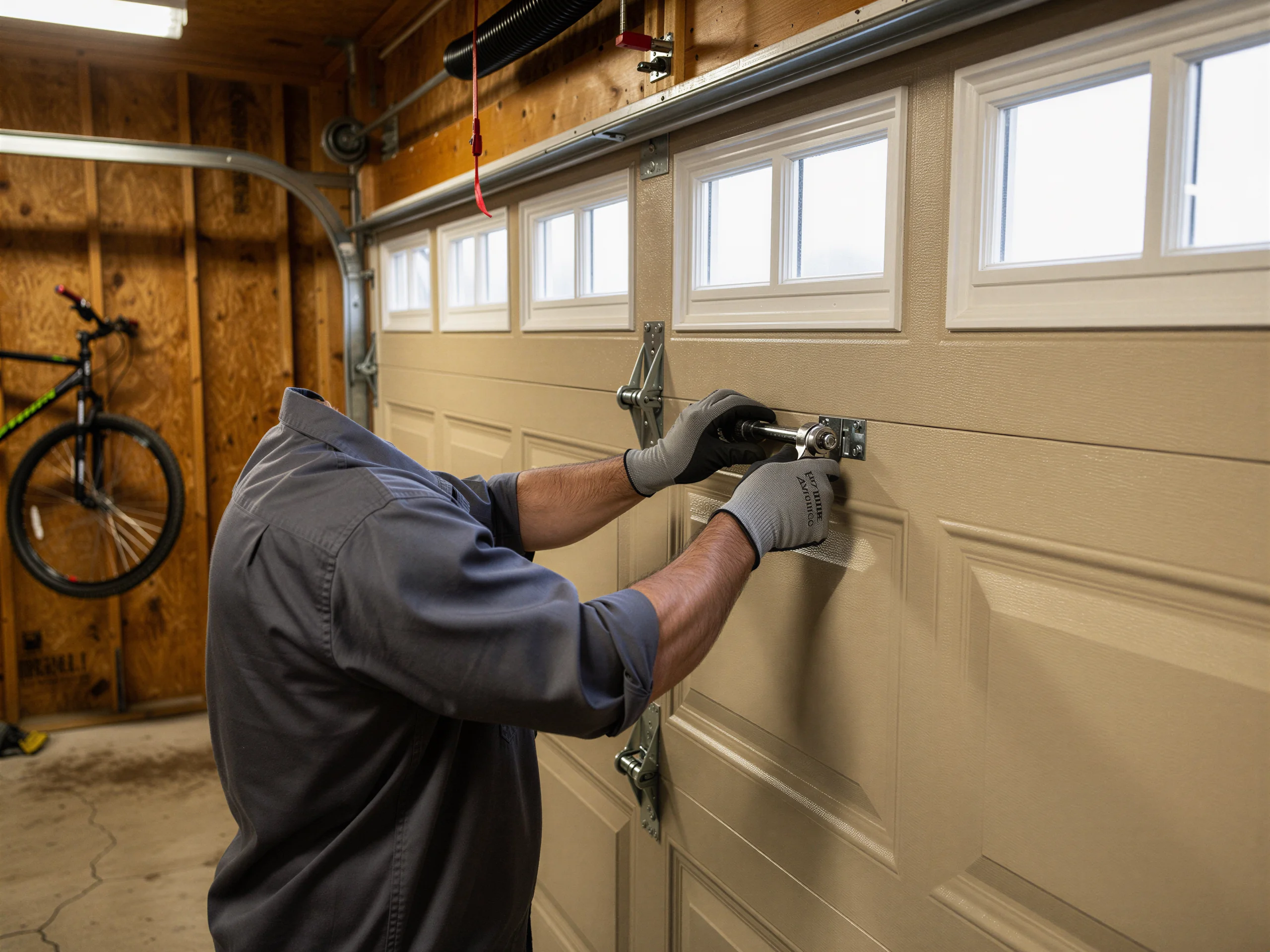
Spring sized to weight
We size the torsion spring to the door's actual weight once hardware and insulation are factored in - an underrated spring on a heavier insulated door is how openers burn out early.
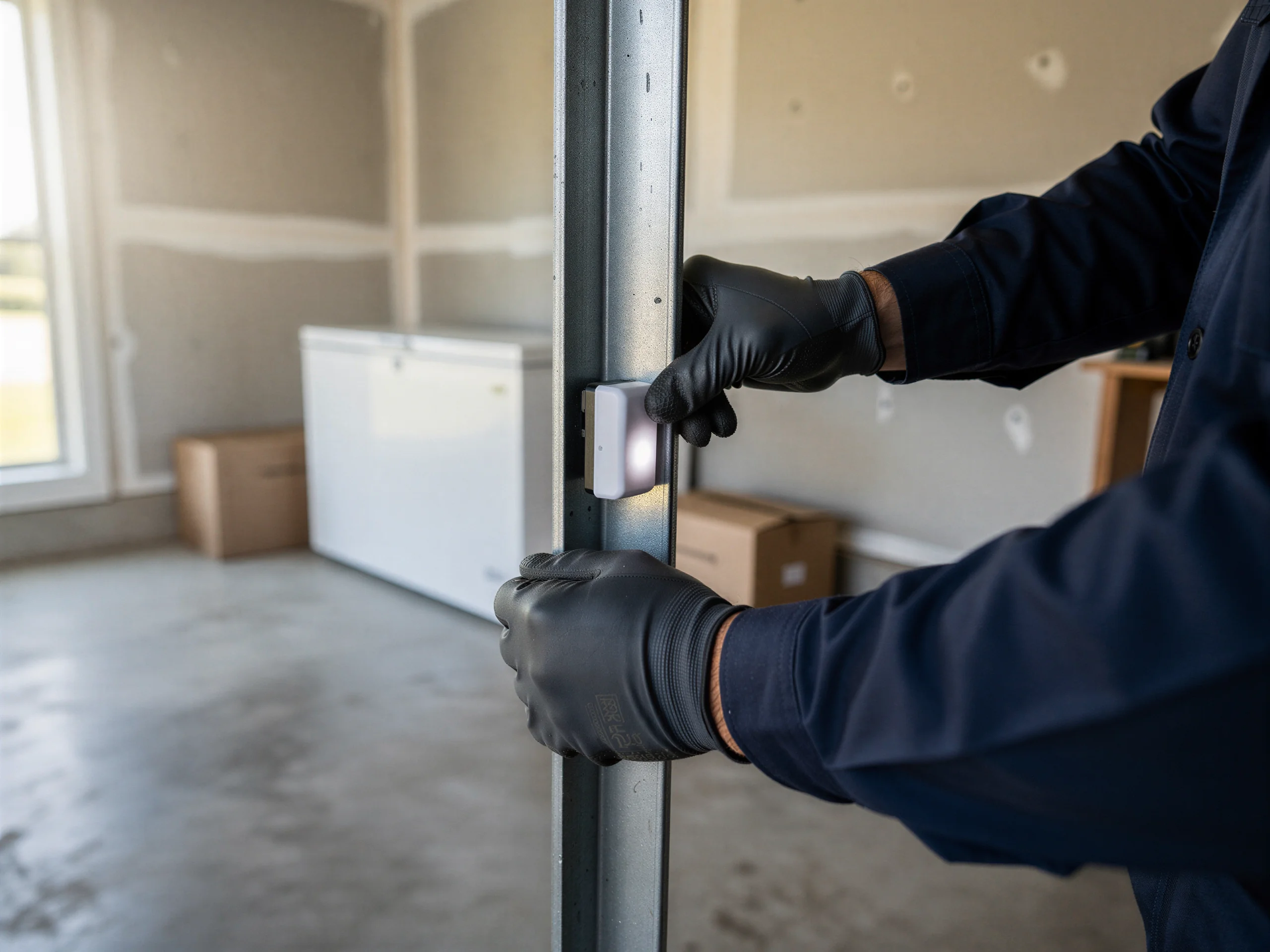
Jamb and floor sealing
Then we set weather seal at the jamb and floor, which matters less for freeze protection here than it does for keeping dust and the mild coastal damp out of a garage that was built with no seal at all. We serve the households across this part of Ventura, including homeowners checking in from nearby El Rio, Oak View, and Mira Monte who share the same era of housing stock.
What You Are Seeing
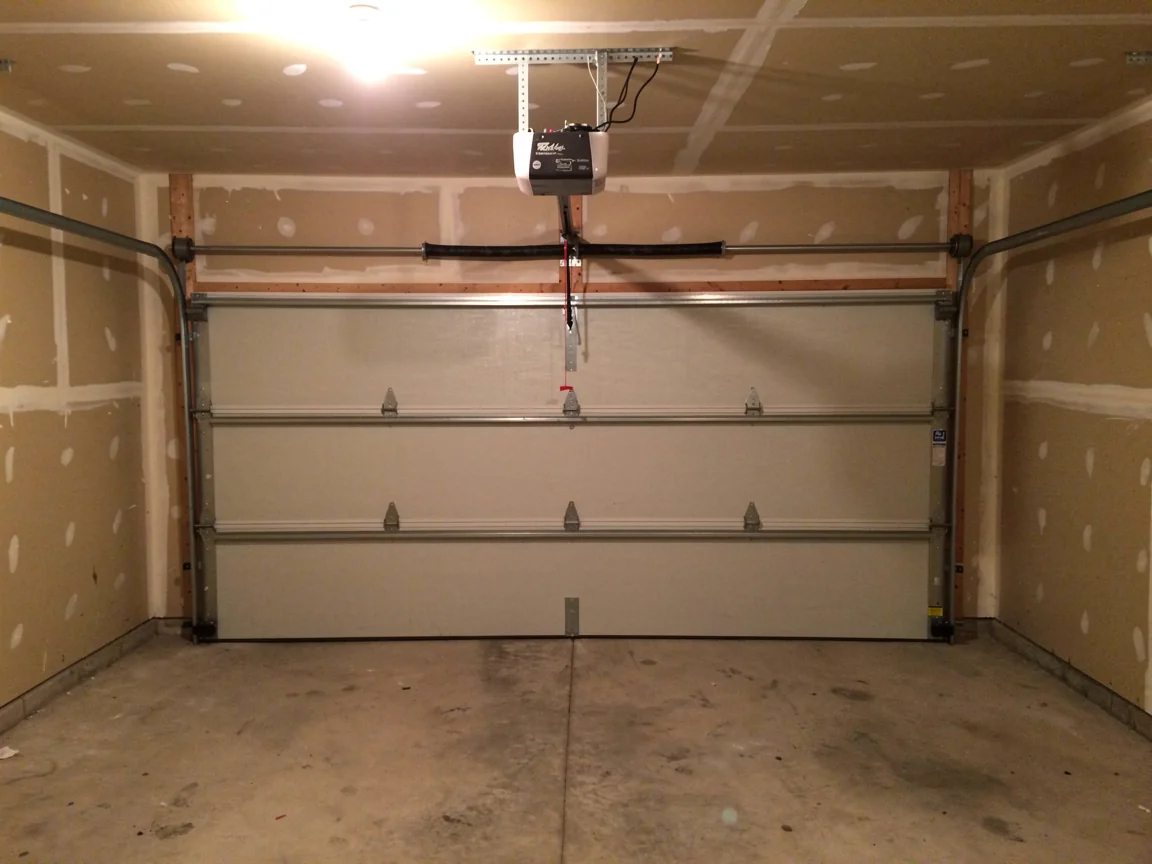
If your garage door is original to a house built in the 1960s or 70s, you're likely looking at a single heavy panel on exposed torsion hardware, no insulation layer, and a header height that won't clear a standard new door without modification. That's not a flaw in your house - it's just what got built before the modern size and insulation standards existed.
If you're seeing daylight around the edges of a newer door someone installed on an old frame, that's usually a seal mismatch from an install that didn't account for the original jamb dimensions. And if the opener strains or the door feels heavier than it should, the spring was likely sized for the original panel weight, not whatever's hanging there now.
Talk to a local pro
Garage door service in Ventura?
Same-day service with honest, upfront quotes.