Why This Fails Locally
Most of the houses across this service area went up between 1956 and 1997, with the typical home dating to 1973. The opener hanging on your ceiling is almost never that old - motors and logic boards don't last five decades - but the header clearance, the track mounting, and the door itself usually are original to that build era. That mismatch is where opener failures come from. A newer chain or belt-drive unit gets bolted onto a track that was never squared for it, so the opener strains against binding rollers and reads that strain as a fault.
The climate here sits in a mild temperate band, which actually works in your favor compared to places with real temperature swings. We don't see the gear-cracking cold snaps or the heat-warped plastic housings that show up in harsher climates. What we see instead is straightforward mechanical age: gears worn smooth, circuit boards that have run uninterrupted since the Reagan or Clinton years, safety sensors knocked out of alignment by decades of cars pulling in and out. It's wear, not weather, and that changes how we diagnose it. We check the opener's own age and condition before we touch the door - because half the time the door is fine and the problem started at the motor head.
Parts We Carry
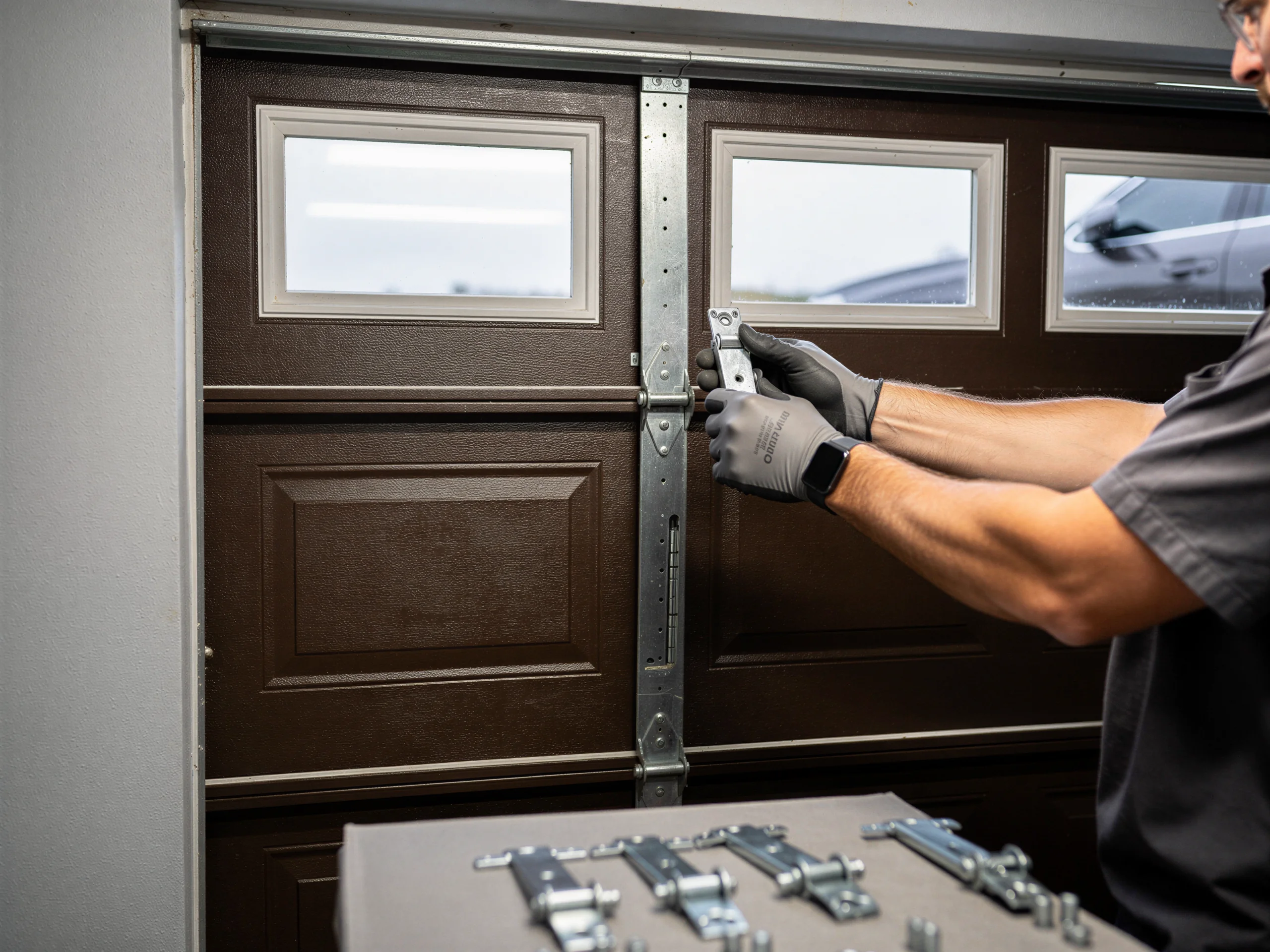
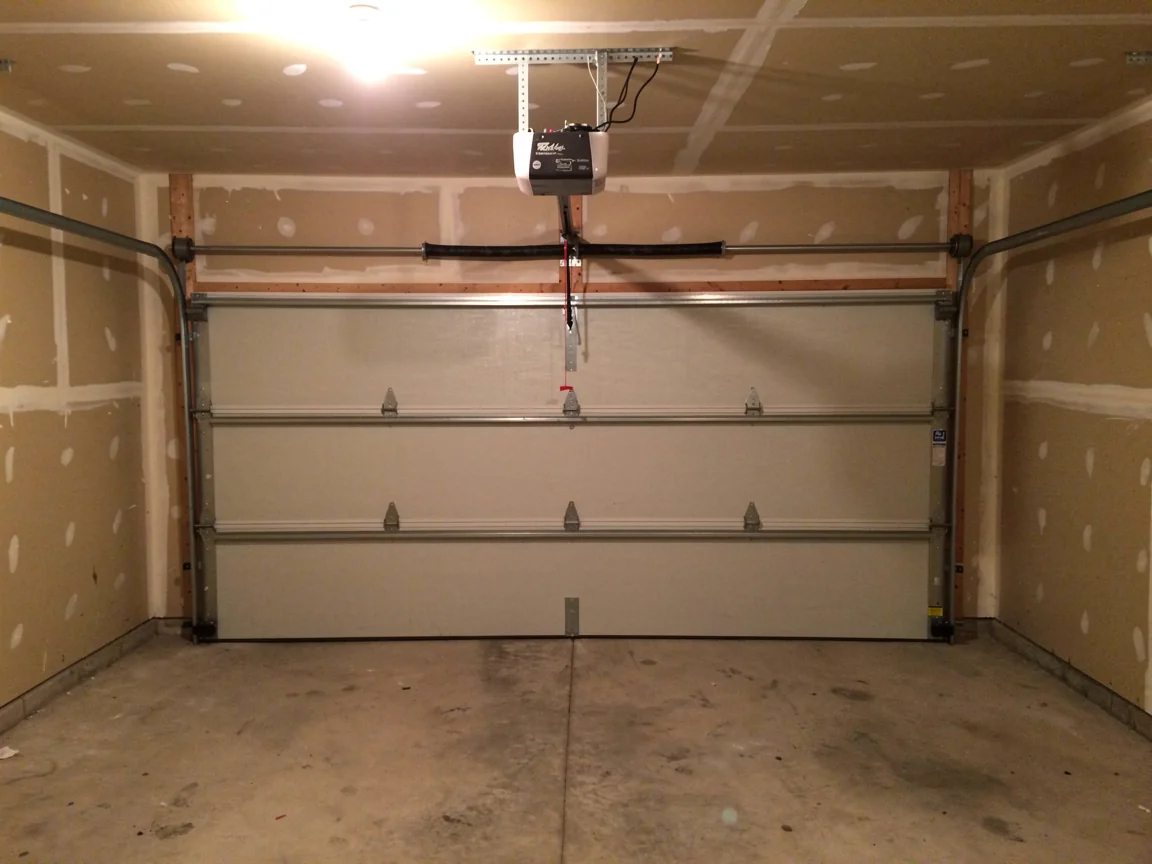
We stock the parts that fail most often on openers this age: drive gears and gear kits for both chain and belt units, logic boards, safety sensor pairs, trolleys, and remotes and keypads to match units that have outlived their original clutch. These cover the bulk of calls we get across the area's 1960s-70s housing stock, where the opener has usually already been replaced once but the door and track have not.
What we don't carry on the truck is a board for every obsolete opener line from that era. Some manufacturers stopped supporting models decades ago, and when a board like that fails, there often isn't a direct replacement to order - we'll tell you straight if that's your situation rather than quote you a part we can't get. In that case the honest move is usually a full opener swap, not a repair, and we'll say so instead of stretching a fix that won't hold.
How We Fix It
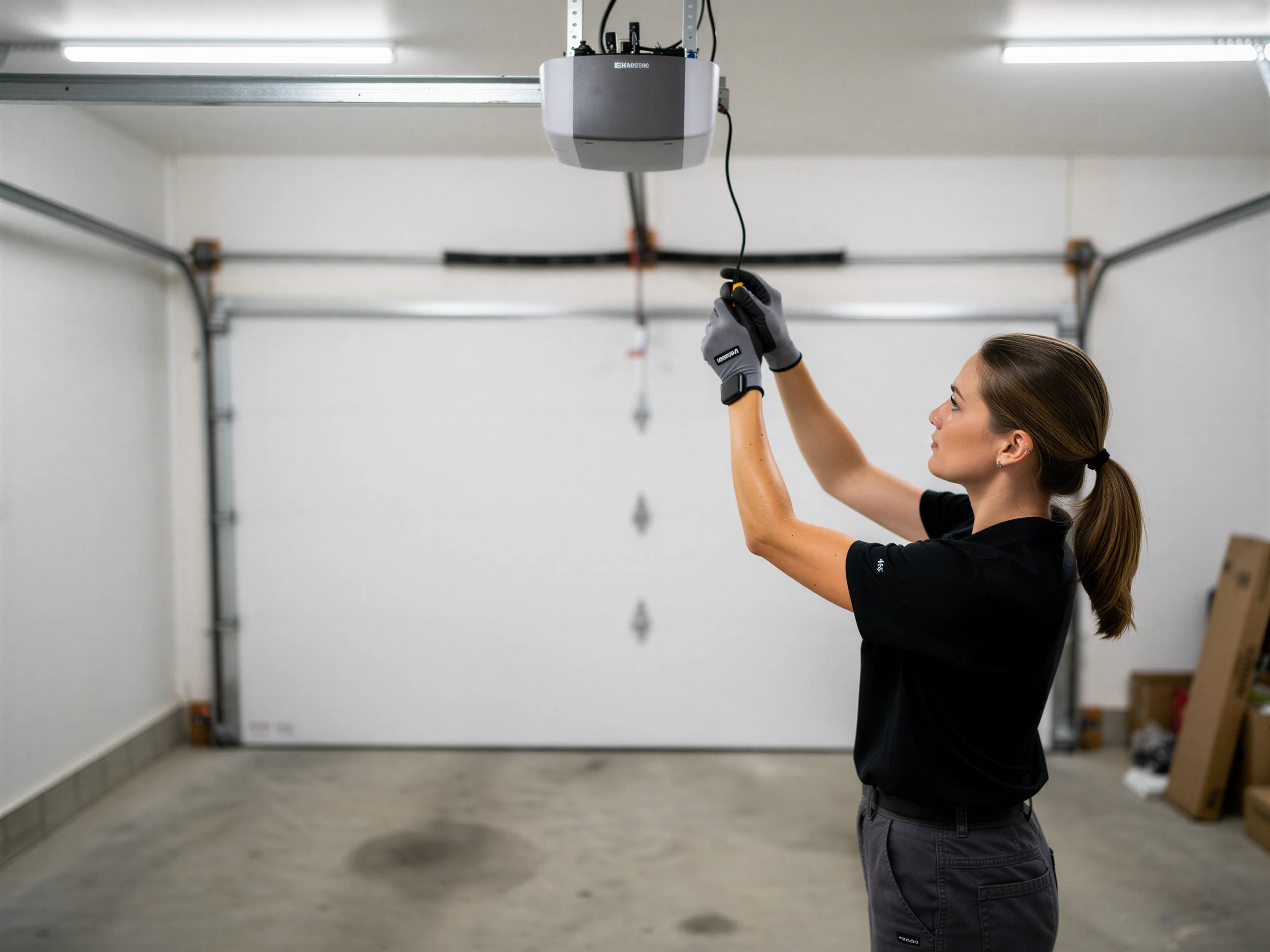
We start at the wall control and the motor head, not the door, because most opener complaints are electrical or mechanical at the source before they ever touch the panel.
Power and sensor checks
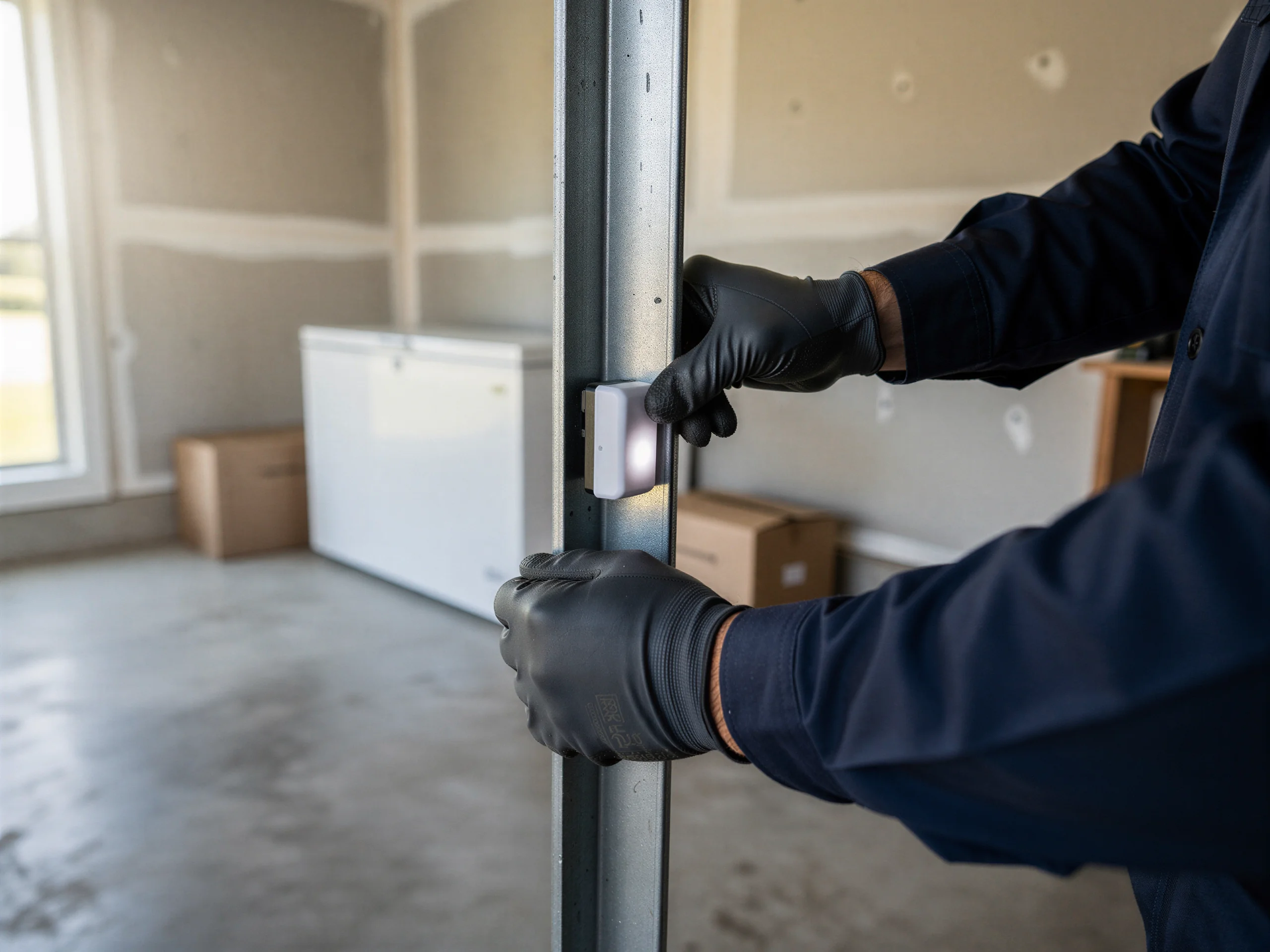
We check power at the outlet, test the logic board's response to both the wall button and the remote, and look at the safety sensor alignment - a pair knocked a few degrees off by a parked bike or a stray box is one of the most common calls we run.
Trolley and gear check
If the opener runs but the door doesn't move, we check the drive gear and trolley next; stripped nylon gears are common on units running fifteen-plus years, which covers a lot of the stock in homes built in this area's 1960s-70s wave.
Fuse, capacitor, or board
If the opener is dead at the board, we test whether it's a fuse or capacitor issue versus a full board failure. Once we know what's actually broken, we tell you the repair cost against a straight replacement cost, and let you pick - we're not going to talk you into a $300 repair on a $400 opener.
What You Are Seeing
The opener hums but the door doesn't move: usually a stripped gear or a disengaged trolley. The remote works sometimes but not from the driveway: often a weak antenna connection or a dying logic board losing its signal range.
Blinking light codes
The light blinks a set number of times and the door reverses before closing: that's a built-in error code pointing at the safety sensors, almost always solved by realigning them rather than replacing anything. A door that only responds to the wall button, never the remote: check the remote battery first, but if that's not it, the receiver on the board may be failing.
Grinding drive gear
A loud grinding sound from the motor head with slow or no movement: that's a worn drive gear, and on an opener old enough to be original to this area's housing stock, replacing the gear kit is usually cheaper than you'd expect.
Breaker tripping warning
If the opener trips a breaker or won't power on at all, stop running it - that's an electrical fault that can damage the board further if you keep cycling it.
Talk to a local pro
Garage door service in Ventura?
Same-day service with honest, upfront quotes.