Local detail
Where People Go Wrong
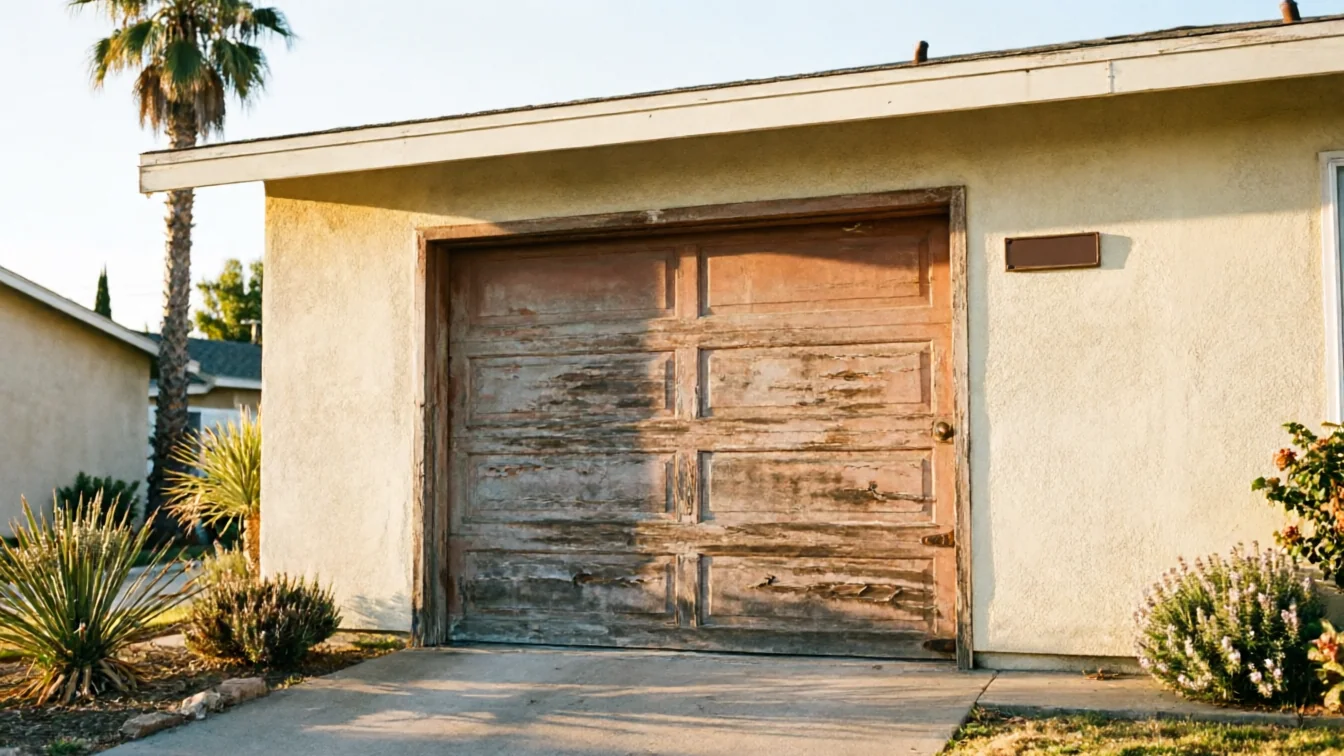
A lot of homeowners here assume their garage door is insulated because the house itself feels solid and well-built. It usually isn't the door's fault for feeling that way, it's the era. Housing across this service area went up mostly between 1956 and 1997, with the median landing around 1973 - years before any code required a garage door to hold an R-value at all. The original door on a house like that is a single layer of steel or a slab of wood, no foam core, no thermal break. When that door starts banging, sagging, or rattling in the track, people call it an opener problem first. Half the time it's just an old, heavy, uninsulated panel that's been flexing in and out of true for fifty years, putting load on a spring and a track that were sized for a lighter, newer product. The fix people reach for - adjusting the opener's force settings - just masks the real issue and wears out the motor faster. Before you touch the opener, look at the door itself. If it's original to a house built in that 1960s-70s window, the door is the thing that's aged out, not the hardware pushing it.
The area
What Local Conditions Do
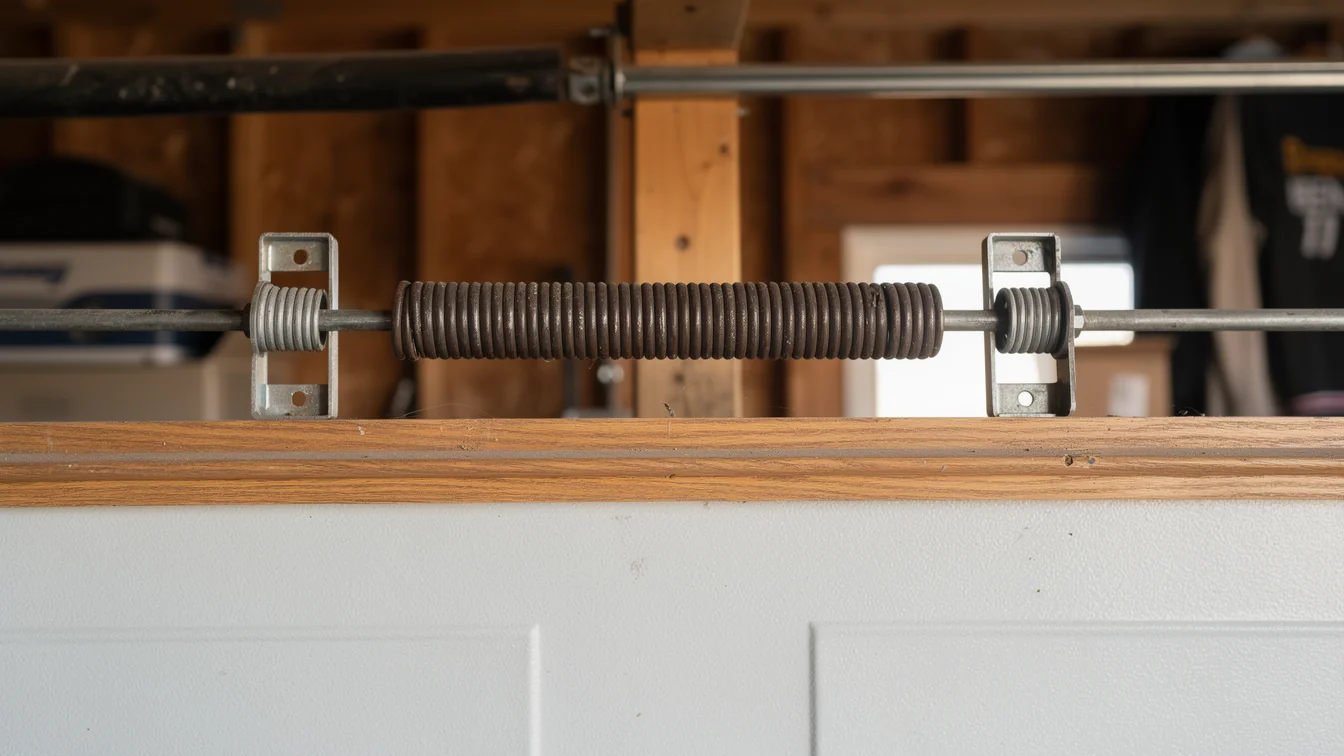
Ventura's climate sits in the mild temperate band, so you're not dealing with hard freezes or the kind of extreme swings that crack panels outright. That's the good news. The less obvious part is that even a mild daily swing - cool mornings, warmer afternoons - is enough to flex an uninsulated steel panel that was never built to resist temperature change in the first place. Over decades that repeated flex loosens panel seams, works screws out of the track brackets, and lets the door run slightly out of square. None of this shows up as a dramatic failure. It shows up as a door that's a little louder each year, a spring that loses tension faster than it should, and an opener that strains a bit more every month to lift the same weight. Because the stock across the fourteen named areas we work in is overwhelmingly 1960s and 70s construction, this isn't a one-house problem - it's the baseline condition of the door most people out here are living with, whether they've noticed it yet or not.
What we find
Checking It Yourself
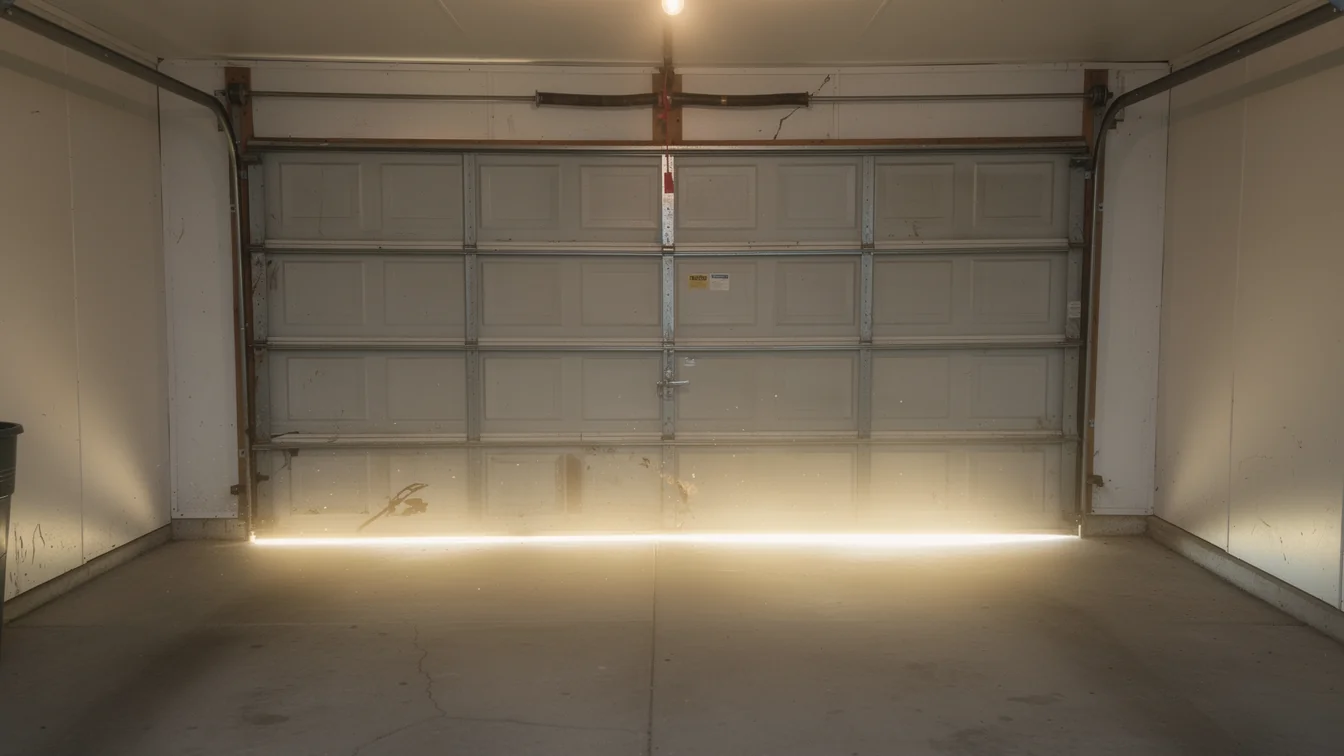
You can tell a lot without opening anything up. Push on the inside face of a closed panel - if it flexes under light pressure and you can feel no stiffener or foam backing behind the steel, it's uninsulated, which is normal for the 1973-median stock here. Check the weight too: an original uninsulated steel door is lighter than a modern insulated one, so if your opener strains or the door drifts down on its own when disconnected from the opener, the spring is likely sized for a different door than the one that's there now, or it's just tired. Look at the bottom corners and the top seal for daylight - doors from that era rarely came with real weatherstripping, so gaps there are original, not damage. None of this tells you whether to repair or replace. It just tells you what you're actually working with before you spend money guessing.
How we work
The Problem
Here's the honest part: retrofitting insulation into an original steel panel door from this era rarely makes sense. The panels weren't built to accept a foam kit cleanly, and by the time a door has been in service since the 1960s or 70s, the track, rollers, and hinges are usually just as worn as the panel. Spending money insulating a 50-year-old door is money spent on the wrong end of its life. With 24,783 owner-occupied houses sitting on this one construction era, this is the situation most of them are in - a door old enough that patching it is a short-term move. We'll tell you straight when a repair is worth doing and when the door itself is the thing that needs to go, rather than selling a fix that just delays the real decision. If you're out toward El Rio or Oak View you'll find the same stock, same original doors, same conversation.
Talk to a local pro
Garage door trouble in Ventura?
Same-day service with honest, upfront quotes.