Local detail
Where People Go Wrong
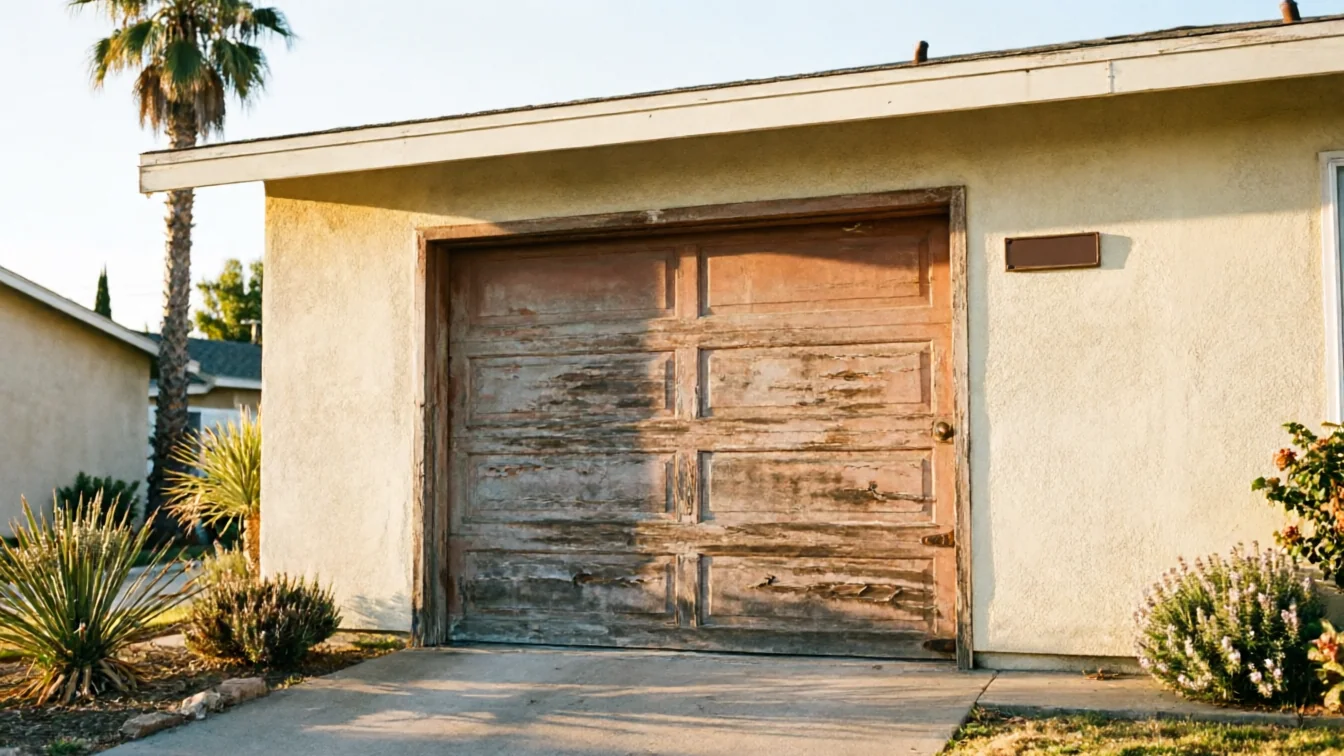
Most of the houses we work on went up somewhere between 1956 and 1997, with the median landing around 1973. That one number explains most of the bad calls we get. Someone orders a part online that matches a measurement off a newer door, not realizing their opener or track dates back to the original install. A lot of owners assume a service call means someone shows up, oils a hinge, and leaves. It doesn't. On a door that's been in place since the 1960s or 70s, a service call means checking whether the torsion spring is original (it usually is, and it's past its rated cycle count), whether the track is still the rolled steel style common to that era, and whether the opener has been swapped out at some point without the matching safety sensors. People also go wrong by treating a noisy door as a lubrication problem when it's actually a worn roller or a bent track section that's been quietly getting worse for years. The fix isn't more oil. It's someone who knows what a door built in 1973 looks like on the inside, not just what a new one looks like in a showroom.
The area
What Local Conditions Do
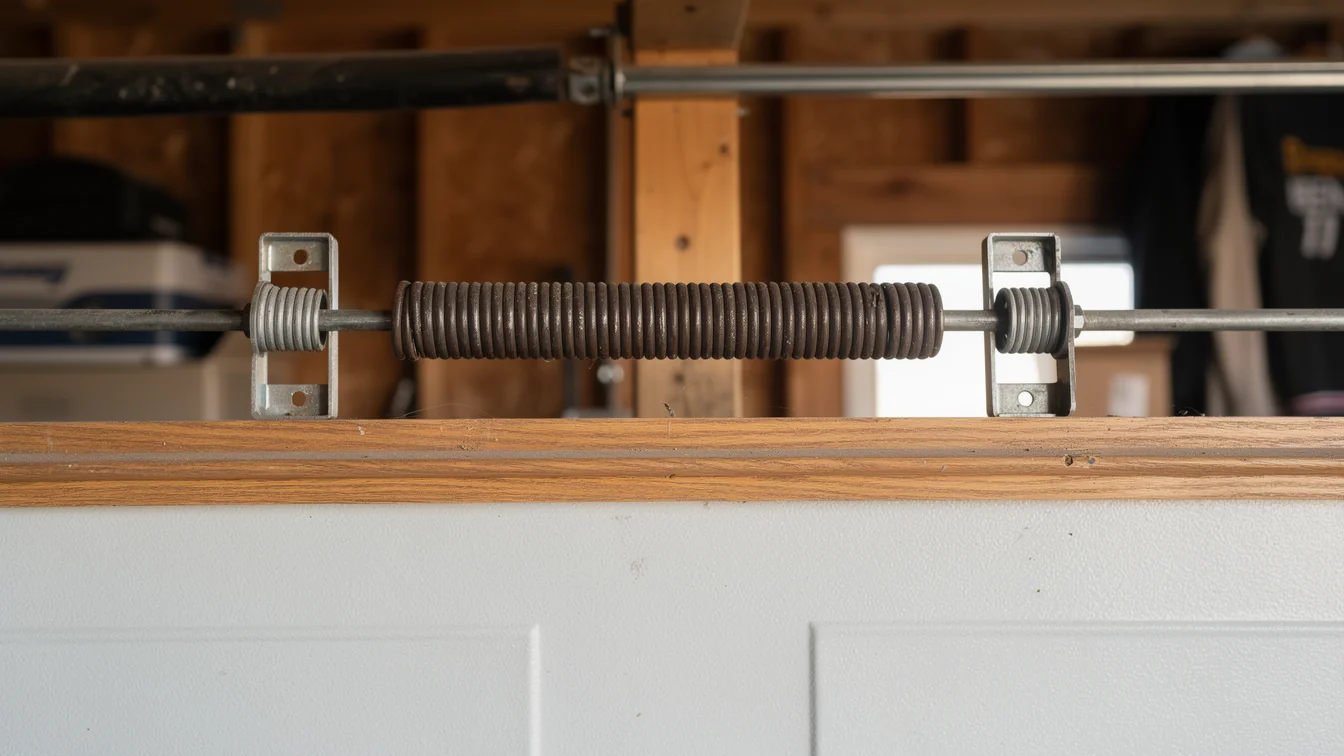
Ventura sits in a mild temperate band, so we don't deal with the freeze-thaw cycles that crack springs in colder climates or the extreme heat swings that warp panels inland. That's the honest upside. But mild doesn't mean nothing happens. Coastal air carries moisture and salt, and over decades that steadily works on exposed hardware - hinges, end bearing plates, the unpainted ends of torsion springs - even without dramatic weather events to blame. On a door that's 40 to 60 years old, that slow corrosion is often the real reason a spring finally lets go on an otherwise calm day. A service call in this climate isn't about storm damage. It's about checking the parts that have been quietly oxidizing since the Nixon or Carter administration and deciding what still has life left versus what's one cold morning from failing.
What we find
Checking It Yourself
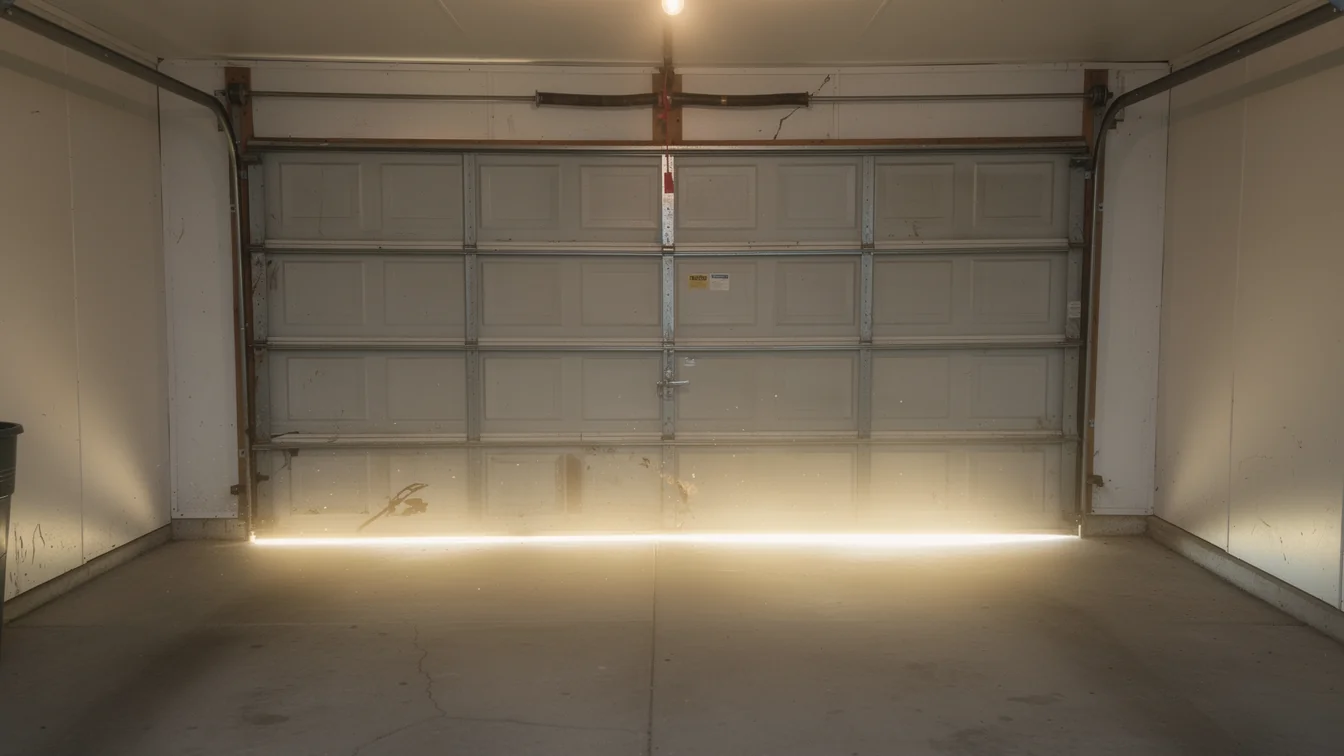
Before you call anyone, there are a few things worth looking at, especially if your house falls into that 1960s-70s stock that makes up most of the neighborhoods out here. Open the door by hand with the opener disconnected - it should move smoothly and stay roughly where you leave it halfway up. If it crashes down or you have to fight it, the spring's tension is off, and that's not a DIY fix. Look at the spring itself: if it's the original single spring instead of a pair, that's a sign of the house's original builder-grade hardware, which is undersized by today's standards. Check the rollers for cracking or flat spots, common once a door's been cycling for 50 years. None of this tells you exactly what's wrong, but it tells you whether what you're dealing with is routine wear on an old door or something that needs a same-day look.
How we work
The Problem
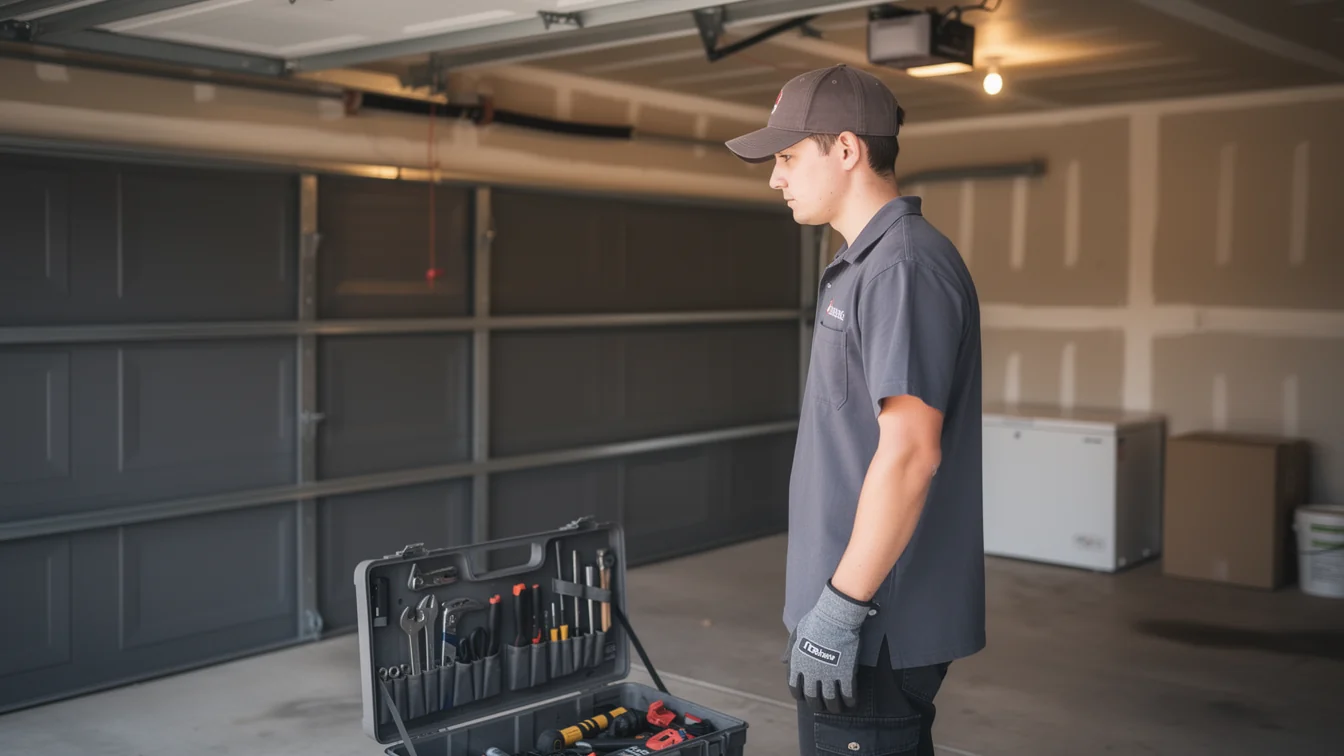
Here's the limitation worth saying plainly: we don't stock parts for every opener model that's been installed and replaced over 50-plus years of a house's life. If your door has had three different openers bolted on since 1973, each from a different era, matching hardware can mean a short wait on a part instead of a same-visit fix. That's not us dragging our feet - it's the reality of working on housing stock this old. What a service call actually covers is a full look at the door as a system - spring, track, opener, sensors - not just the symptom you called about, because on a door this age, the thing you noticed is rarely the only thing worn out.
Talk to a local pro
Garage door trouble in Ventura?
Same-day service with honest, upfront quotes.