Can You Do This Yourself
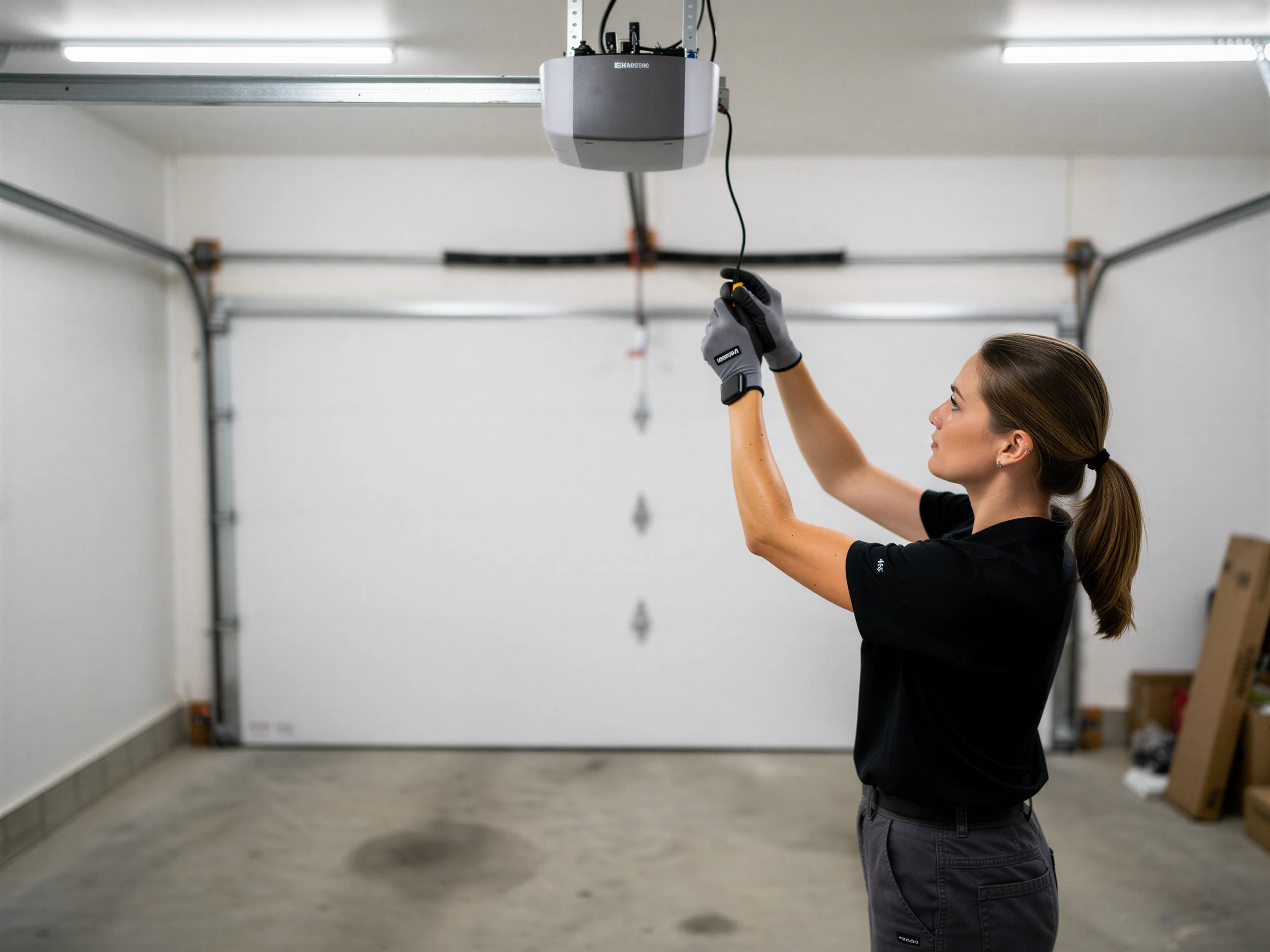
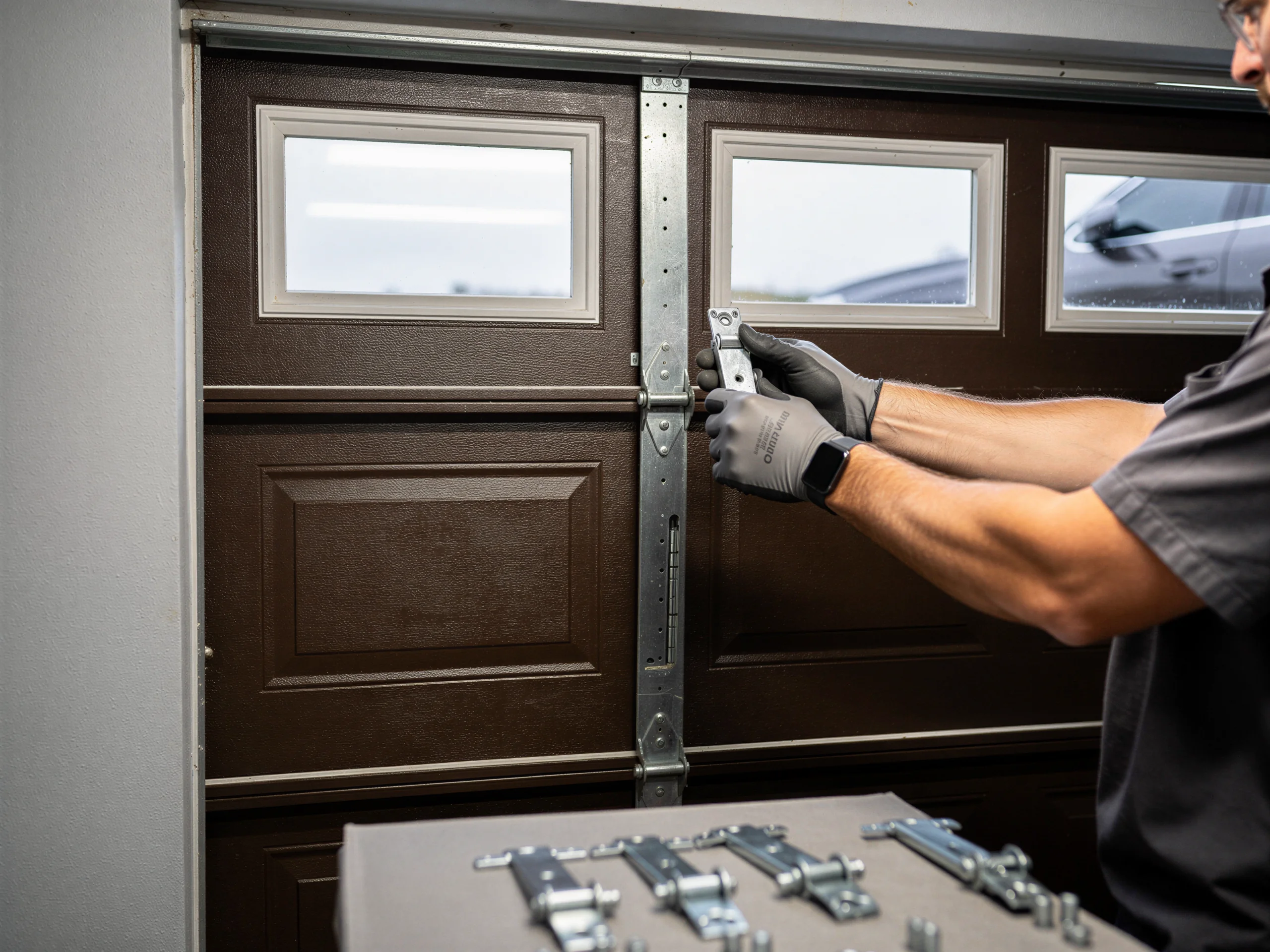
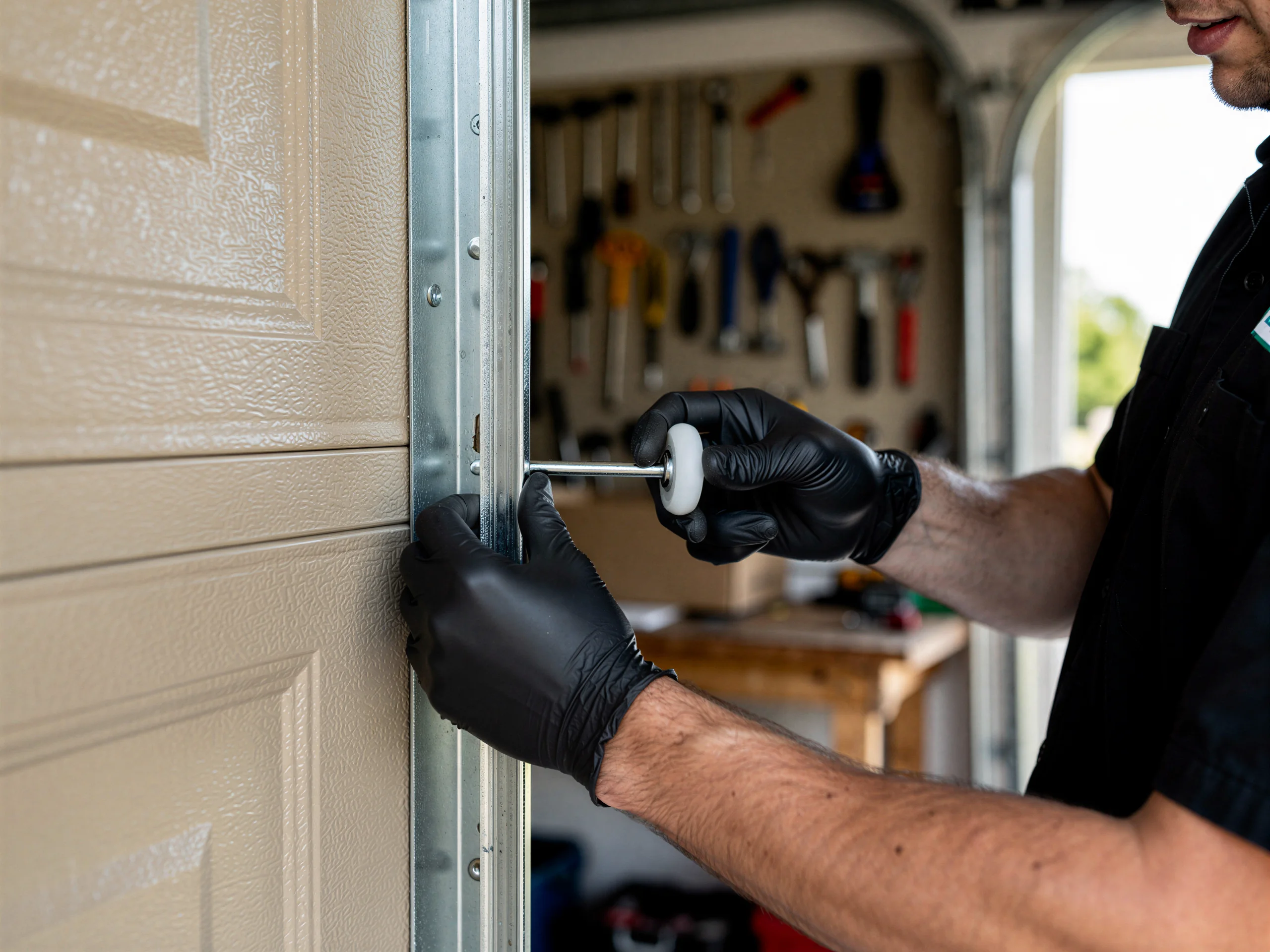
Meiners Oaks' housing stock centers on 1970, which means most of these garages started with a basic chain-drive opener bolted to a wood header. If yours still has the original unit, or a direct replacement from decades back, you're dealing with hardware that's simple to diagnose but not always simple to source parts for. Swapping a logic board or a sensor eye is within reach for a handy homeowner. A sagging rail, a worn sprocket, or a capacitor that's dying slowly are different - those show up as intermittent failures that look like something else entirely, and chasing the wrong part costs more than the call would have. If your opener reverses for no reason, grinds before it catches, or runs the motor without moving the door, that's a mechanical fault, not a settings problem, and it's worth having someone look at it in person before you start ordering parts. We'll say plainly: if the unit is original to a 1970 build, replacement is usually the better math than repair.
Why This Fails Locally
The mild coastal-inland climate here is kind to seals and springs, but it doesn't do anything for openers that are simply old. A unit installed when this stretch of Meiners Oaks was built has had fifty-plus years to wear down gears, dry out lubricant, and cook its circuit board through ordinary temperature swings. We don't see flash-flood damage or hard freeze cracking out here - the climate band is mild enough that those aren't the local failure modes. What we do see is age: worn drive gears on chain units, safety sensors wired to code that predates modern eye requirements, and wall controls original to houses now a half-century old. The fault pattern in Meiners Oaks skews toward end-of-service-life failure rather than storm or weather damage, because the housing era, not the weather, is what's driving the wear.
Parts We Carry
Because so much of this area's housing landed in the 1960s-70s build window, we carry drive gears, sprockets, and logic boards sized for the chain and belt units that replaced those original 1970-era openers.
Mid-generation drive motors
Most homes here are long past their first opener and onto a second or third unit, so what we stock leans toward the mid-generation screw-drive and chain-drive motors that were common replacements through the 80s and 90s, plus current safety-sensor kits to bring older setups up to modern reversal standards.
Original 1970 unit boards
What we don't stock on the truck is a board for a genuinely original 1970 unit - those parts haven't been made in a long time, and if that's what's on your garage, replacement is the real conversation, not repair.
What You Are Seeing
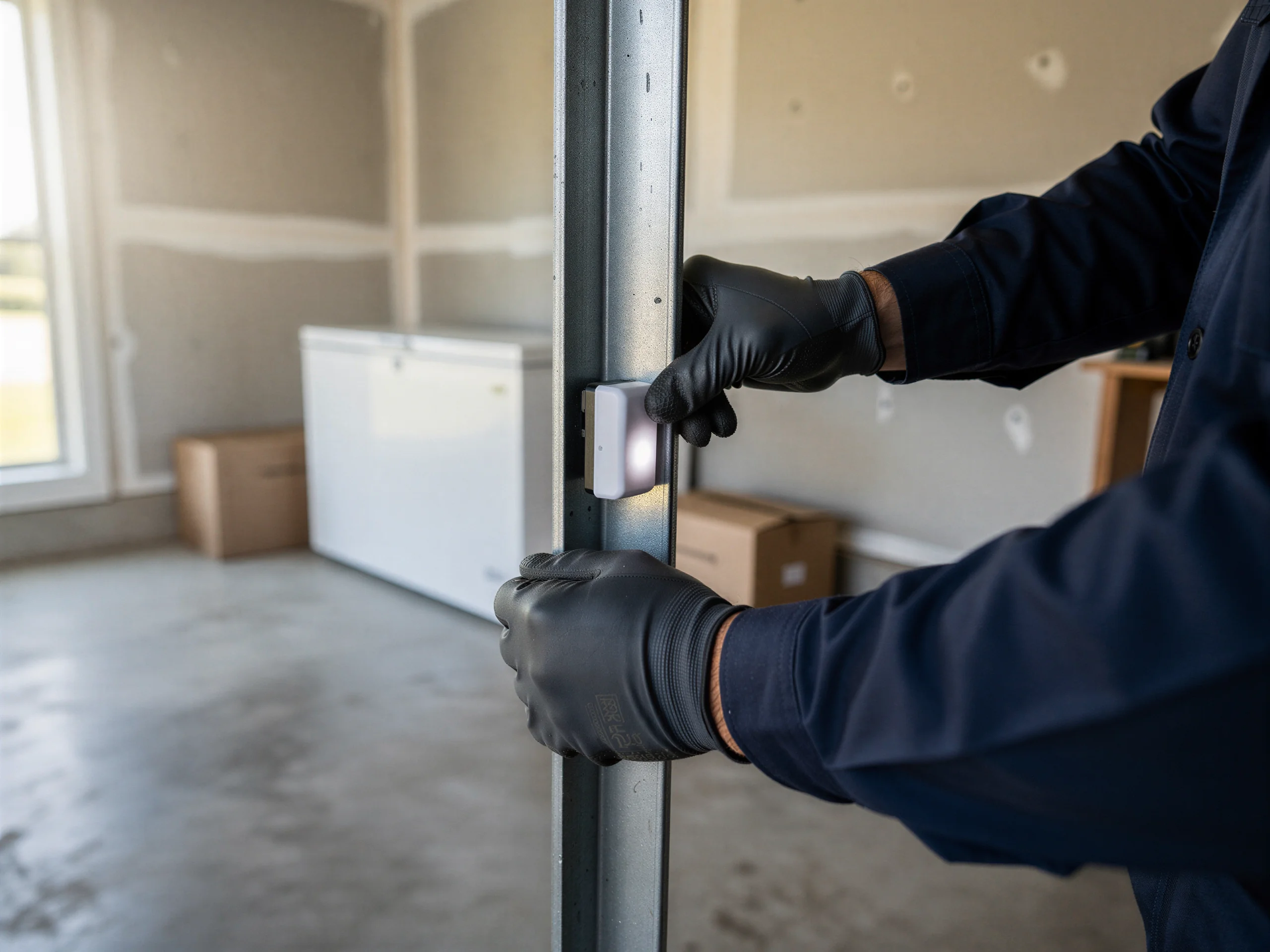
A door that opens but won't close, or closes but reverses halfway, is almost always the safety sensors - either knocked out of alignment or wired to an older standard that doesn't talk to a newer logic board correctly. A loud grinding sound right before the door moves usually means a worn gear inside the motor housing, common on units that have been running since this area's older housing stock was still mostly first-generation openers. If the remote works but the wall button doesn't, or the reverse of that, the fault is usually in the wiring or the wall unit itself rather than the motor. A door that drifts open a few inches on its own points to a worn drive gear losing its grip on the chain or belt, not a spring problem.
The Complications
Houses in this part of the service area were built across a wide stretch of decades, so two garages a few doors apart can have openers from entirely different eras with entirely different mounting setups.
Original low-voltage wiring
One might still run the original low-voltage wiring from a 1970 build, while the other has a newer unit installed on the same old header with shims and extra brackets holding it level.
Mounts settling over decades
That mismatch between old framing and newer hardware is the most common complication we run into - the opener itself is fine, but the mount it's bolted to has shifted or settled over fifty-plus years, and that throws off alignment on sensors and travel limits alike. We also run into households where the opener was replaced but the wall control wasn't, mixing generations of wiring standards in the same circuit.
How Long It Takes
We come out from Ventura, about 12 miles, so plan around that drive time rather than a walk-in response. Once we're on site, sensor realignment or a wall-control swap is usually a short job. Gear or logic board replacement takes longer if the part isn't a common stock item, and a full opener replacement on an older mount sometimes needs extra time to reframe the header properly rather than just bolting a new unit to old wood. We won't give a number we can't back up here - the honest answer is that the fix speed depends on which generation of opener you're running, and that varies more in Meiners Oaks than it would in a neighborhood built all in one year.
Talk to a local pro
Garage door service in Ventura?
Same-day service with honest, upfront quotes.