Can You Do This Yourself
A lot of the doors in Meiners Oaks are original to houses built around 1970 - single-layer wood or early steel panels with no insulation layer sandwiched in.
Heavy door mismatch
Those doors are heavier than anything sold today, and that weight is the whole problem with a DIY opener swap. A boxed opener kit assumes a modern, lightweight door and a standard spring setup.
Unchecked kit installs
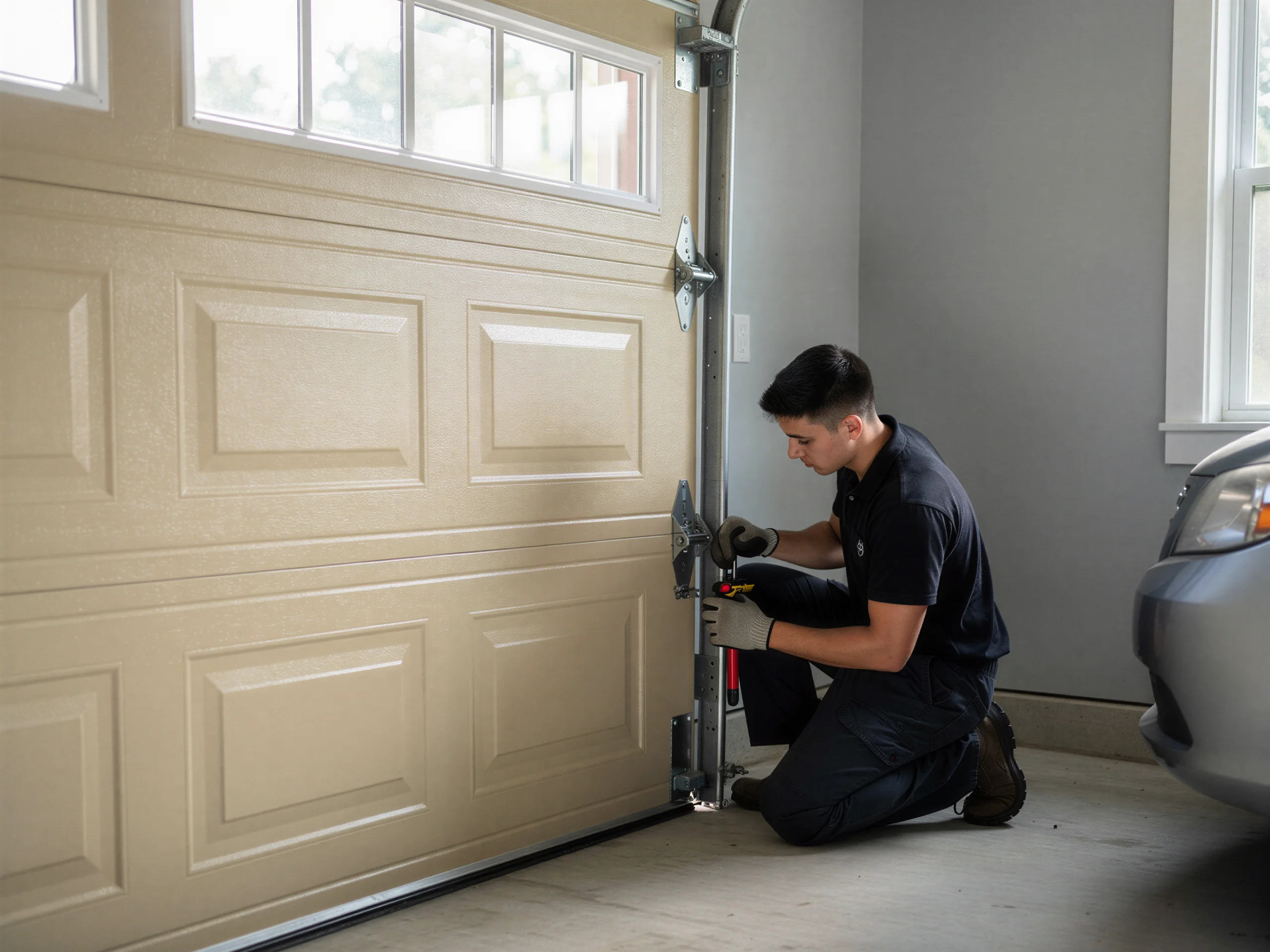
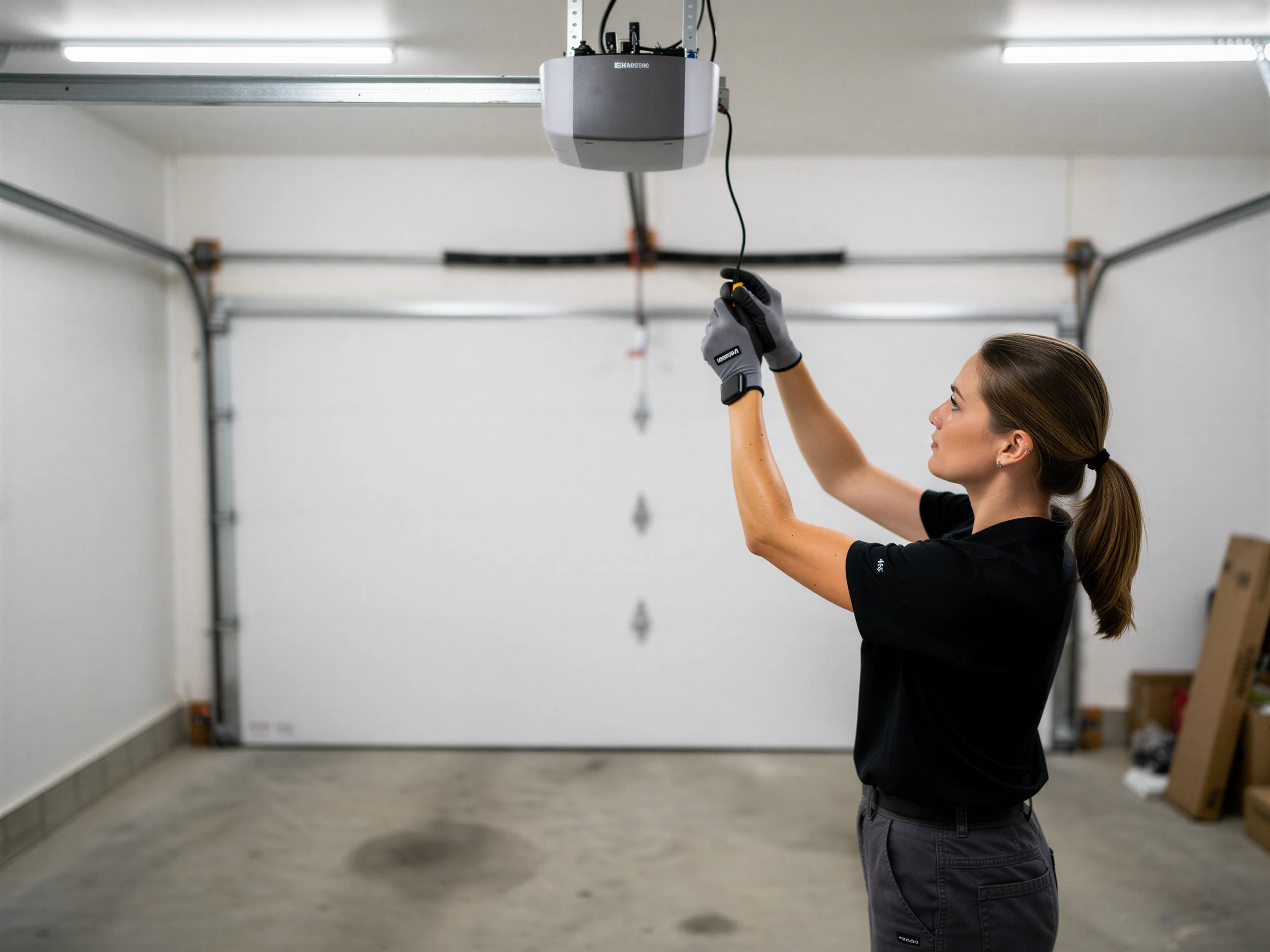
Bolt that kit to a 1970-era slab without checking the door's actual weight and the travel limits, and you get an opener straining on every cycle, or a safety reversal that never trips because the force settings were never corrected for the door you actually have. You can hang the rail and wire the wall button yourself - that part's not hard.
Horsepower and force setting
What trips people up is matching horsepower and drive type to a door this old, and setting the force and limit correctly so the auto-reverse sensor actually works the way code requires. Get that wrong and you've got a door that closes on something and keeps going.
Why This Fails Locally
Meiners Oaks isn't a big tract of identical houses - it's roughly 1,571 households, mostly built in the decade or two around 1970, with original doors still hanging in a good share of them. That means openers here are usually getting bolted to a door that was never designed for one, because garage doors of that era were built to be opened by hand. The bracket points, the header clearance, the spring tension - none of it was planned around a motor pulling that door up every day. A generic opener install skips the step of checking whether the door's own hardware can take the daily cycling. On a door this old, it usually can't for long without reinforcement first. Median household income here runs close to $90,000, which tells you most owners can afford to do this right the first time rather than replace a stripped opener bracket twice.
Parts We Carry
We carry belt-drive and chain-drive openers in the horsepower range that actually suits a heavier, older single door - not just the lightest unit on the shelf.
Reinforcement brackets for headers
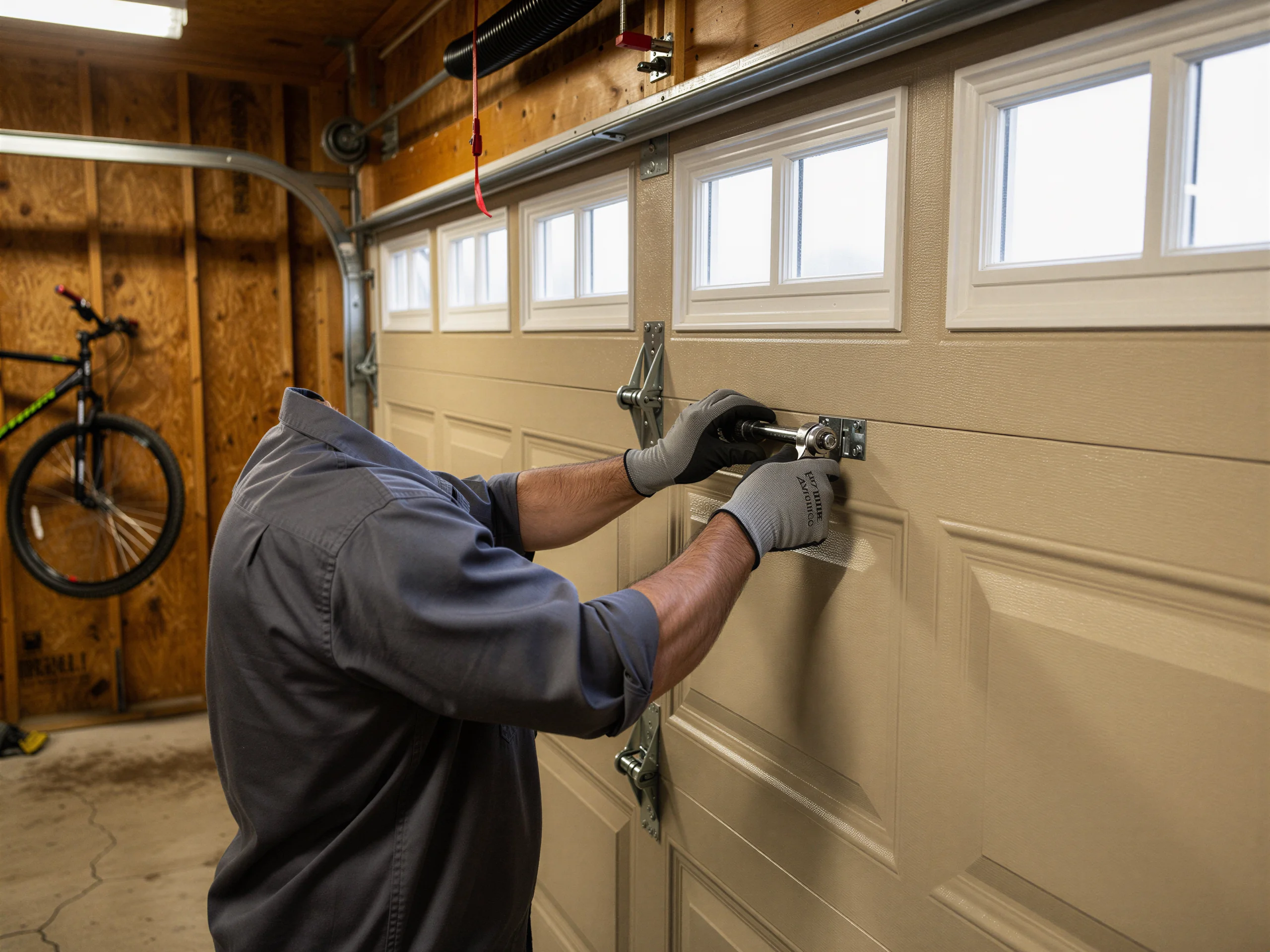
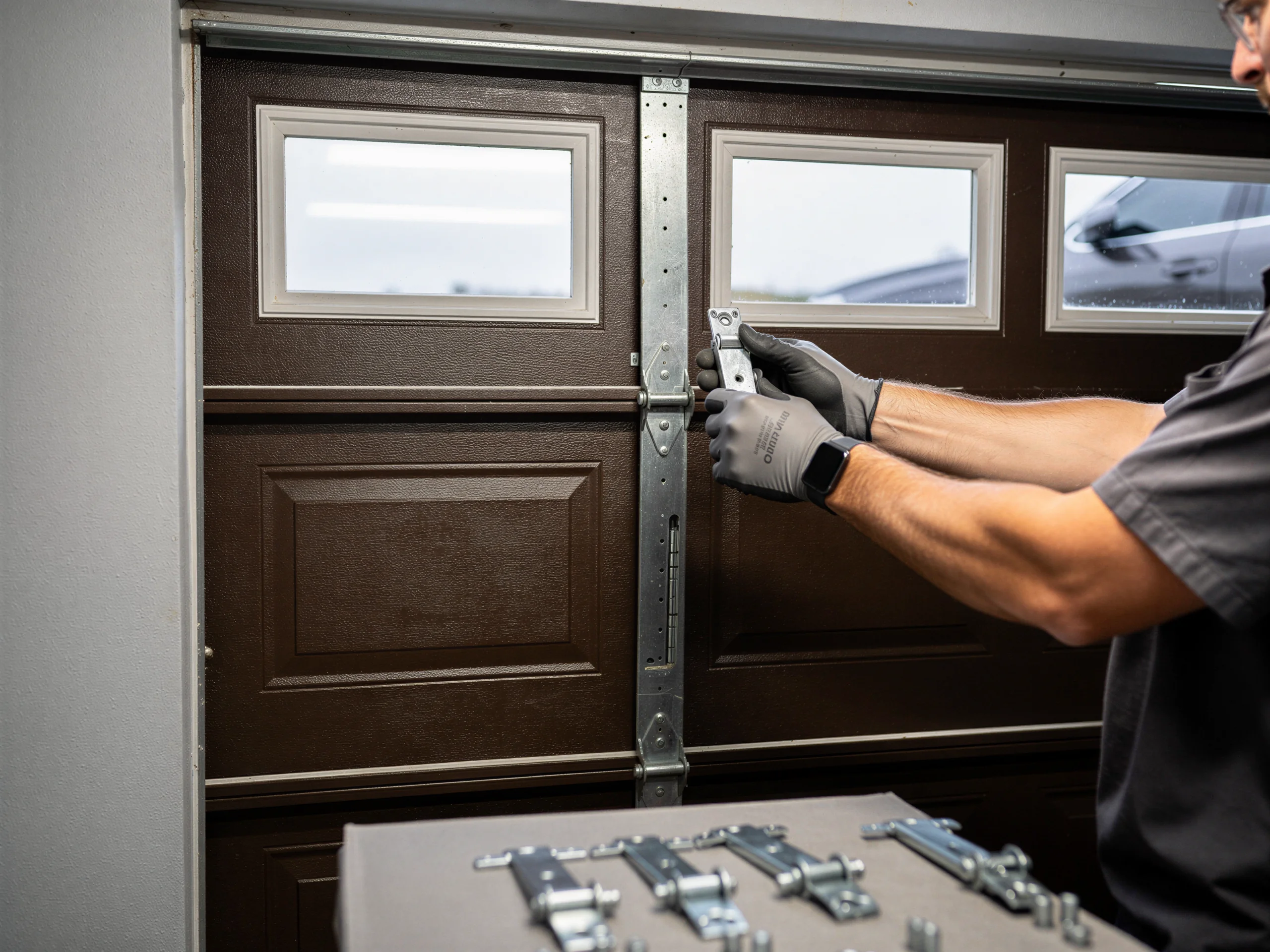
For houses still running the original 1970s-era door, we stock reinforcement brackets sized for header wood from that build period, since the factory mounting point often isn't rated for a motor's pull.
Rolling-code receivers
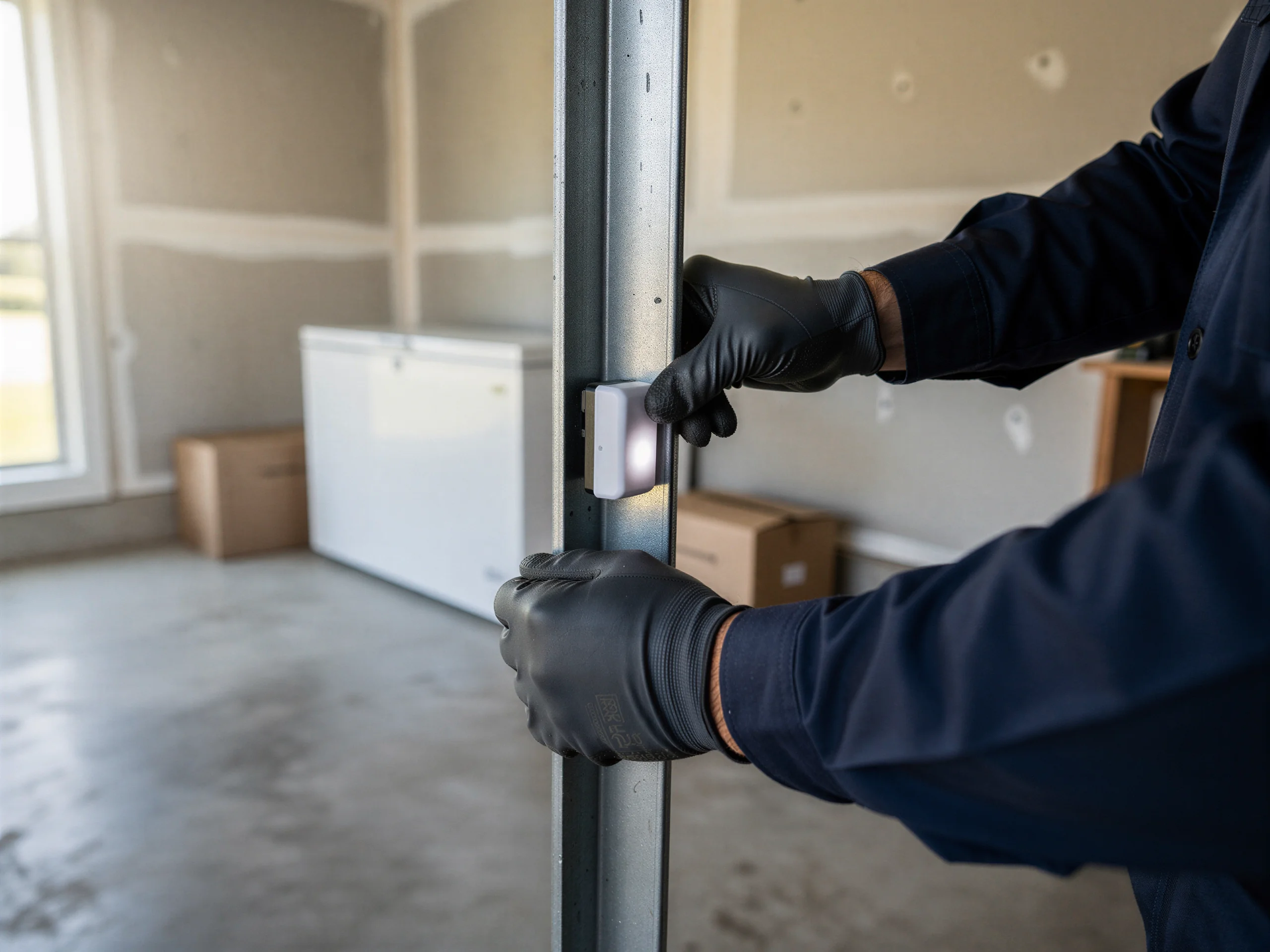
We also carry wall-mount control stations, battery backup units, and the rolling-code receivers that these older doors never had, since most were wired straight to a single-button wall switch with no security coding at all.
Rotted frame or bent track
One honest limit: if your door's wood frame has rotted or the track is bent from age, we won't bolt a new opener to it until that's fixed first - an opener on a bad door just finds the weak point faster.
What You Are Seeing
If your opener strains, reverses halfway up, or runs loud and slow before the door even clears the floor, that's usually the door's weight fighting the motor, not a bad opener. On a door built around 1970, the springs are often undersized for the door's actual mass by today's standards, or they've lost tension over decades of cycling. An opener that worked fine for years can suddenly start struggling once a spring loses even a little lift - the motor picks up the slack until it can't anymore. Another common sign: the door reverses on contact with nothing, which usually means the force setting was never adjusted for this door's real weight, not a sensor fault.
The Complications
The mild temperate climate through this part of the service area is kind to openers in one sense - you're not fighting the corrosion and seal failure that coastal fog or hard freezes cause elsewhere.
Header out of square
But it doesn't save older doors from decades of wood movement. A header that's shifted even slightly out of square over fifty years means the opener rail has to be shimmed and realigned before install, not just bolted straight across.
Missing reinforcement strut
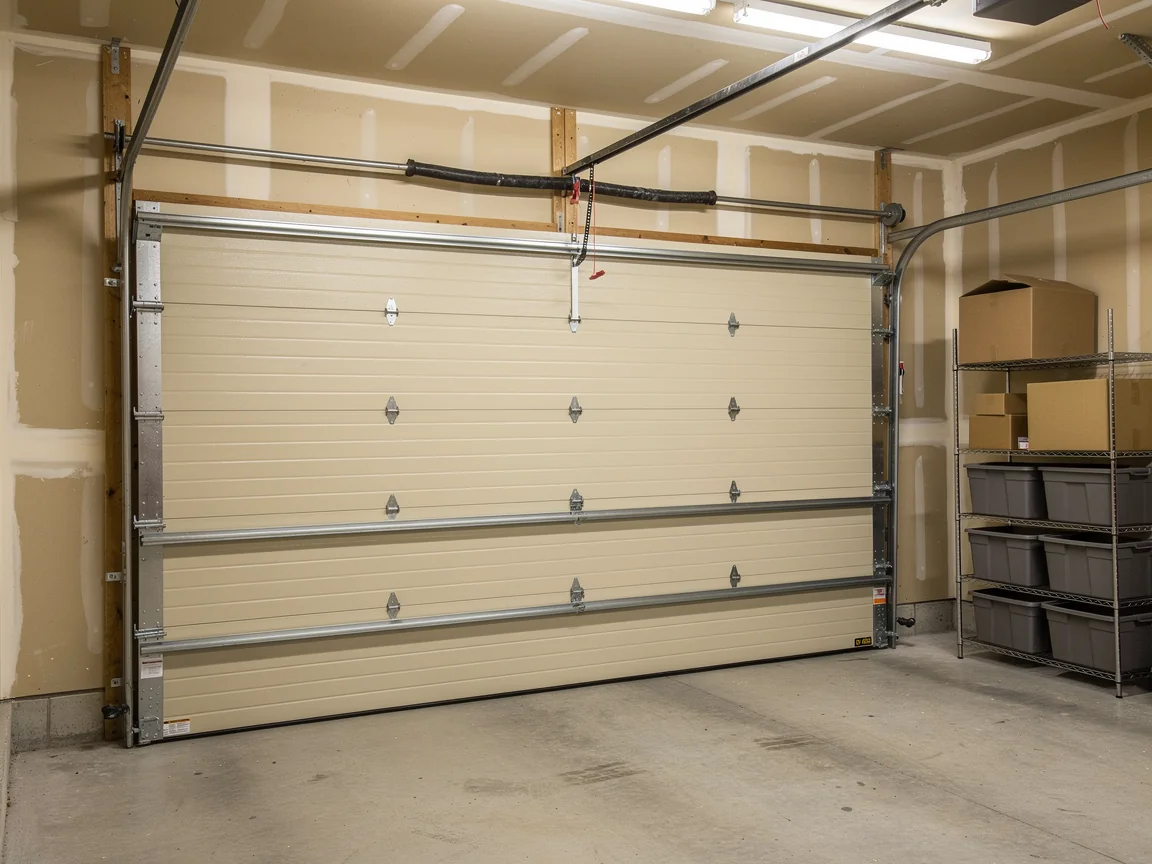
We also run into original doors with no reinforcement strut at all, which an opener needs to avoid flexing the panel on every lift. That's an extra part and an extra half hour, and it's common enough on 1970-era doors here that we plan for it rather than treat it as a surprise.
How Long It Takes
A straightforward opener swap on a door that's already structurally sound runs about what you'd expect for any install - a couple hours on site. Add reinforcement for an original 1970s door, a header shim, or a strut retrofit, and you're looking at longer, since those aren't bolt-and-go fixes. We travel from Ventura, about 12 miles out, so factor that into scheduling a visit rather than expecting a same-hour fix. We'd rather tell you upfront that your job needs the extra hour than rush it and leave you with an opener that's fighting the door every time it cycles.
Talk to a local pro
Garage door service in Ventura?
Same-day service with honest, upfront quotes.