Parts We Carry
Most houses in Westlake Village went up around 1974, and a lot of that original steel is still on the door. When one section gets dented or rusted through, the rest of the panels are usually fine, which means the job is swapping the damaged one, not the whole door.
Discontinued 1974 profiles
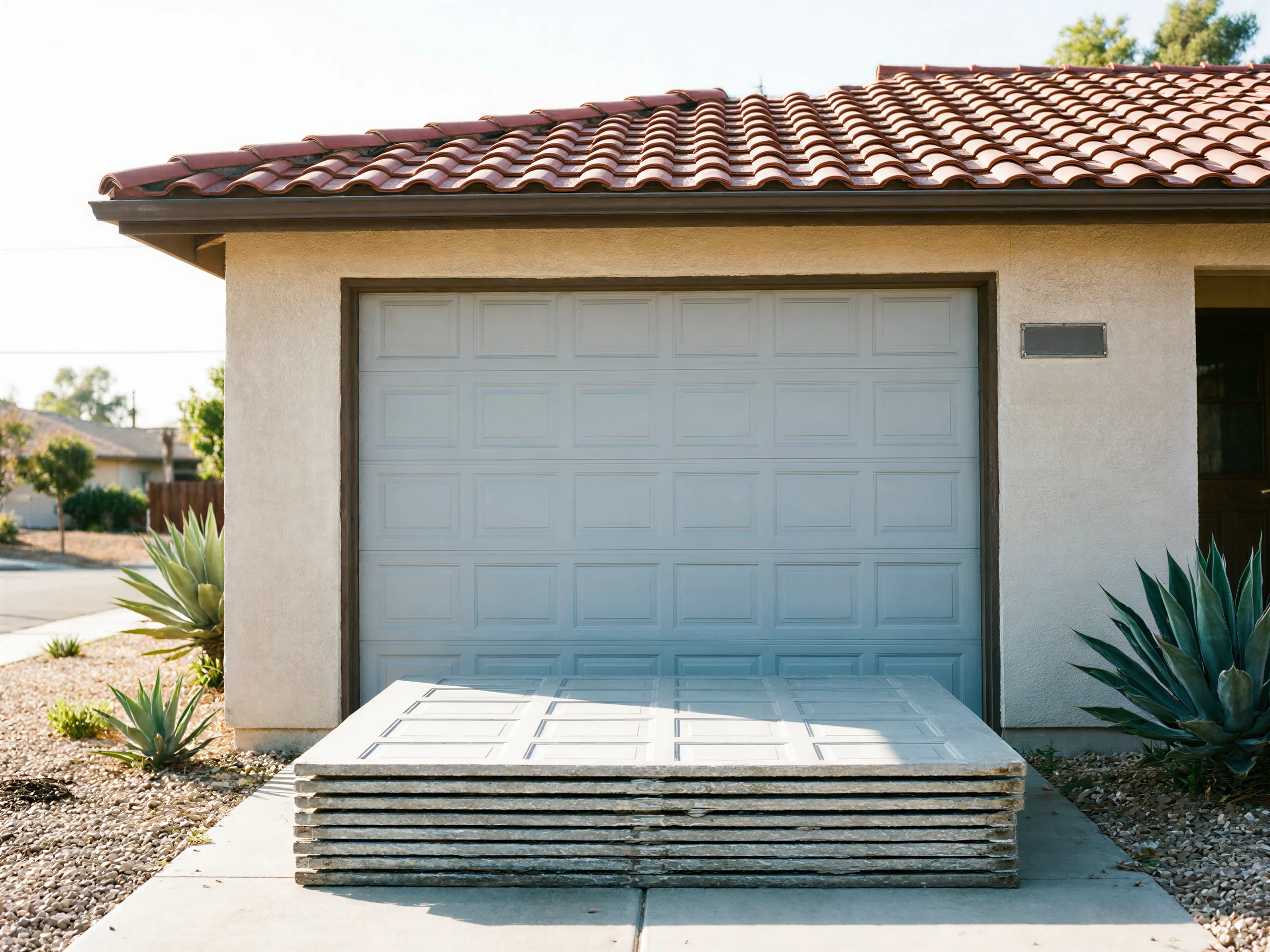
The catch with a door that old: the panel profile from 1974 isn't the panel profile a supplier stocks off the shelf today. Depending on the brand and groove width, we either pull a matching discontinued panel from a supplier that still carries legacy stock, or we go with a close-match replacement and accept a slight seam difference you'd only notice standing right in front of it.
Hinges, stiles, strut bars
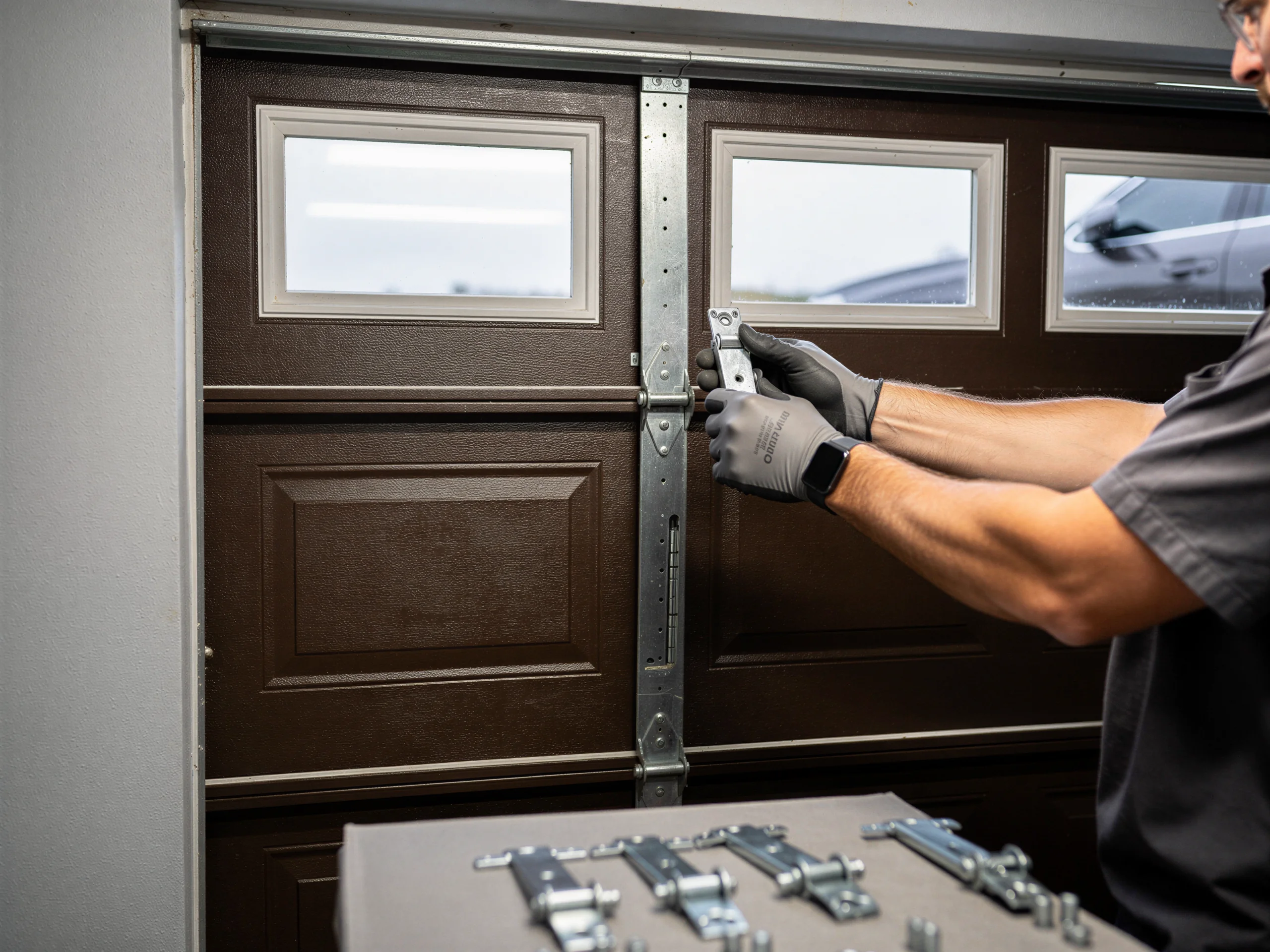
We carry common raised-panel and flush steel sections for the sizes that were standard through the 1970s building run, plus the hinges, end stiles, and strut bars that wear out around the same time as the panel itself.
Custom wood-composite panels
What we don't carry on the truck is a wood-composite panel for a custom door - those get special-ordered, and we'll tell you that up front rather than make a trip for nothing. We're coming from Ventura, 29 miles out, so we try to nail the part match on the first visit.
The Cost of This Job
Panel replacement here runs cheaper than a full door swap, which is the point of doing it at all - you're paying for one damaged section and the labor to fit it, not a new door, track, and opener mount. What moves the price is how close the original panel profile is to something still made. A common size from the 1970s run is a straightforward order. An odd width, or a door style that was only sold for a few years before the manufacturer changed the groove spacing, takes more hunting and costs more in parts even though the labor is the same.
We don't quote a number sight unseen, because the two jobs look identical until we're standing in front of the door with a tape measure. What we can tell you: if the door is single-skin steel with no insulation and the rest of the panels are already faded or dented from the same age, putting one new panel next to forty-year-old ones sometimes isn't worth it cosmetically, even if it's structurally fine. We'll say so instead of selling you a panel that'll look wrong.
Can You Do This Yourself
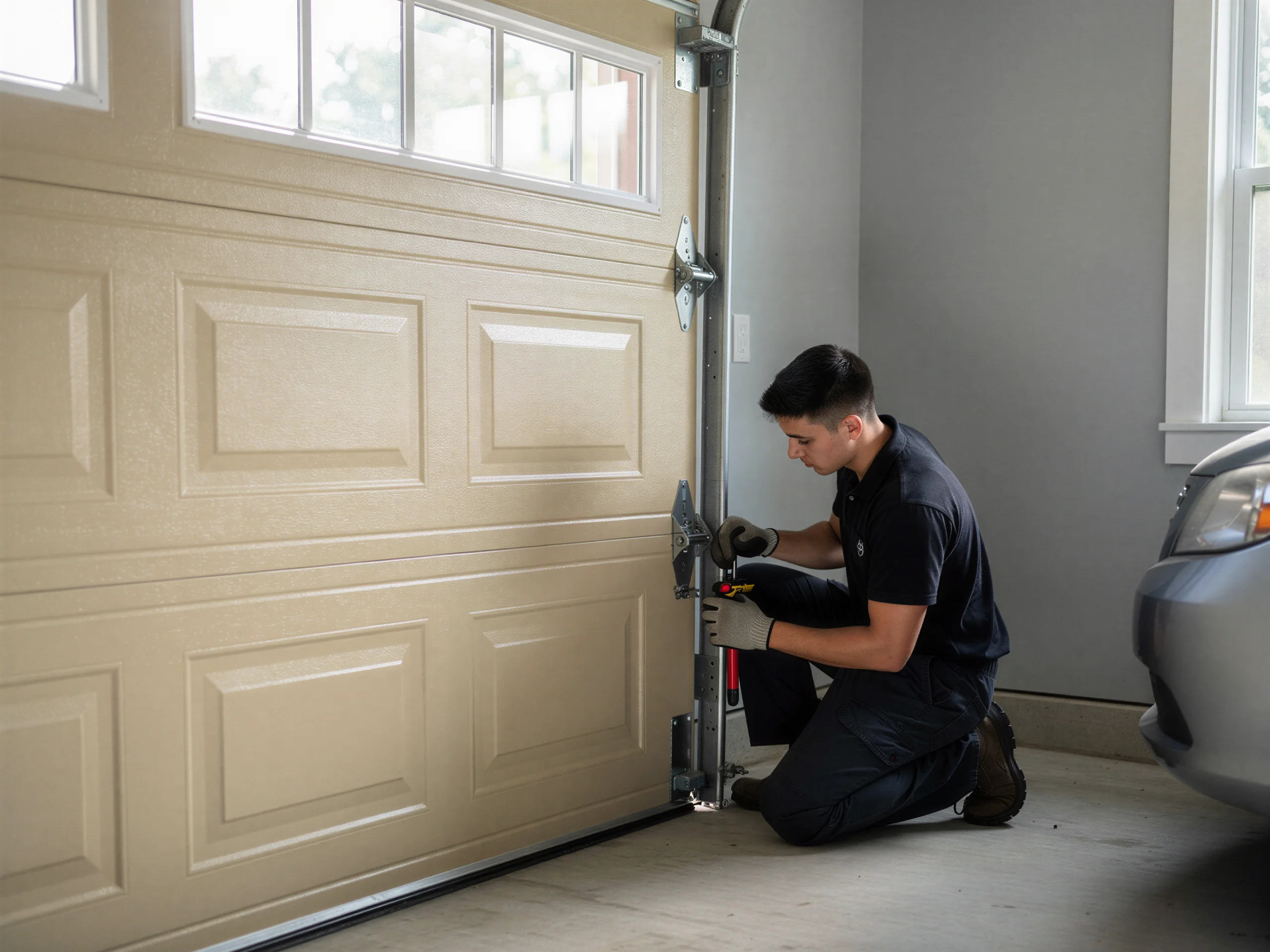
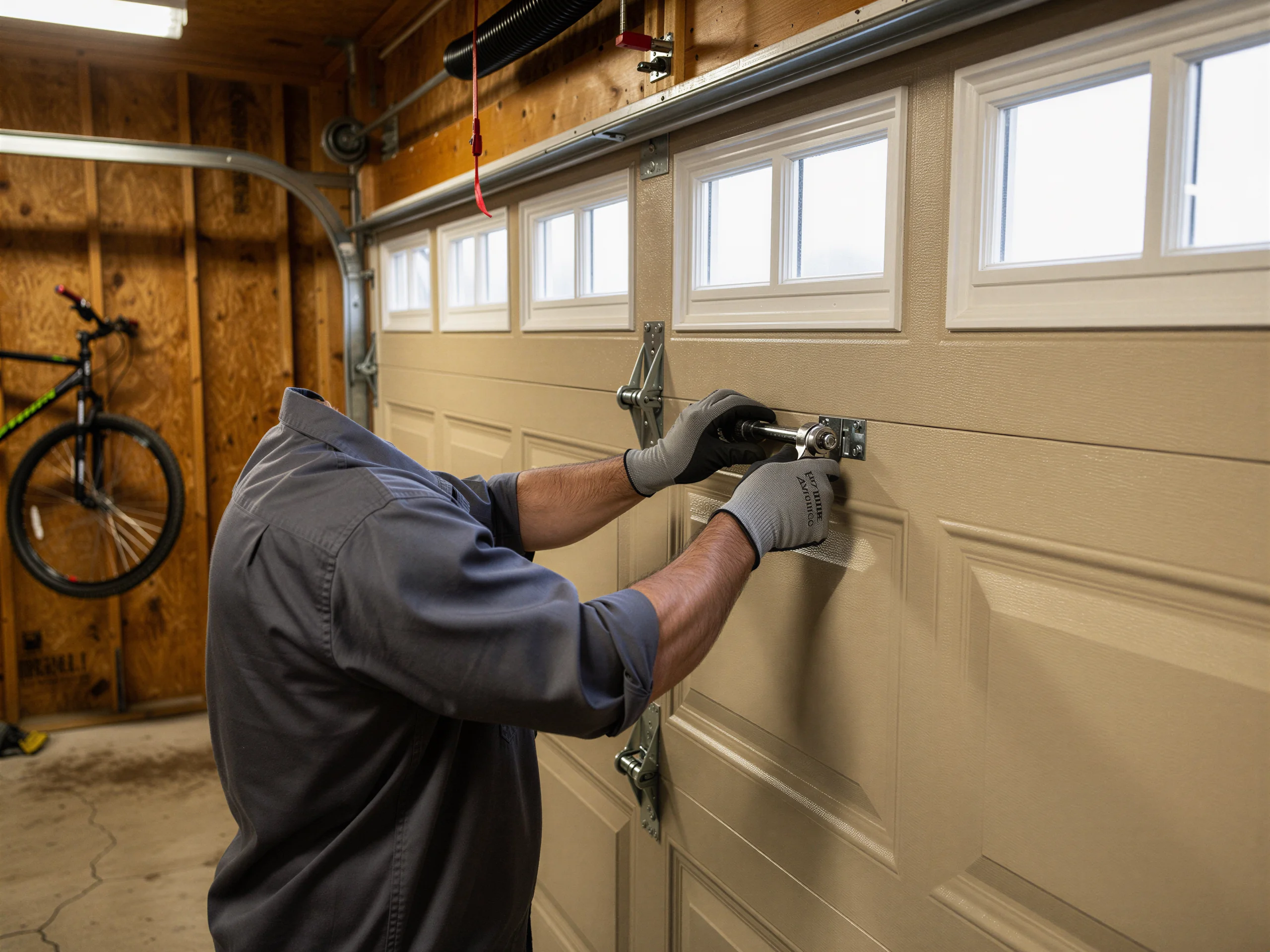
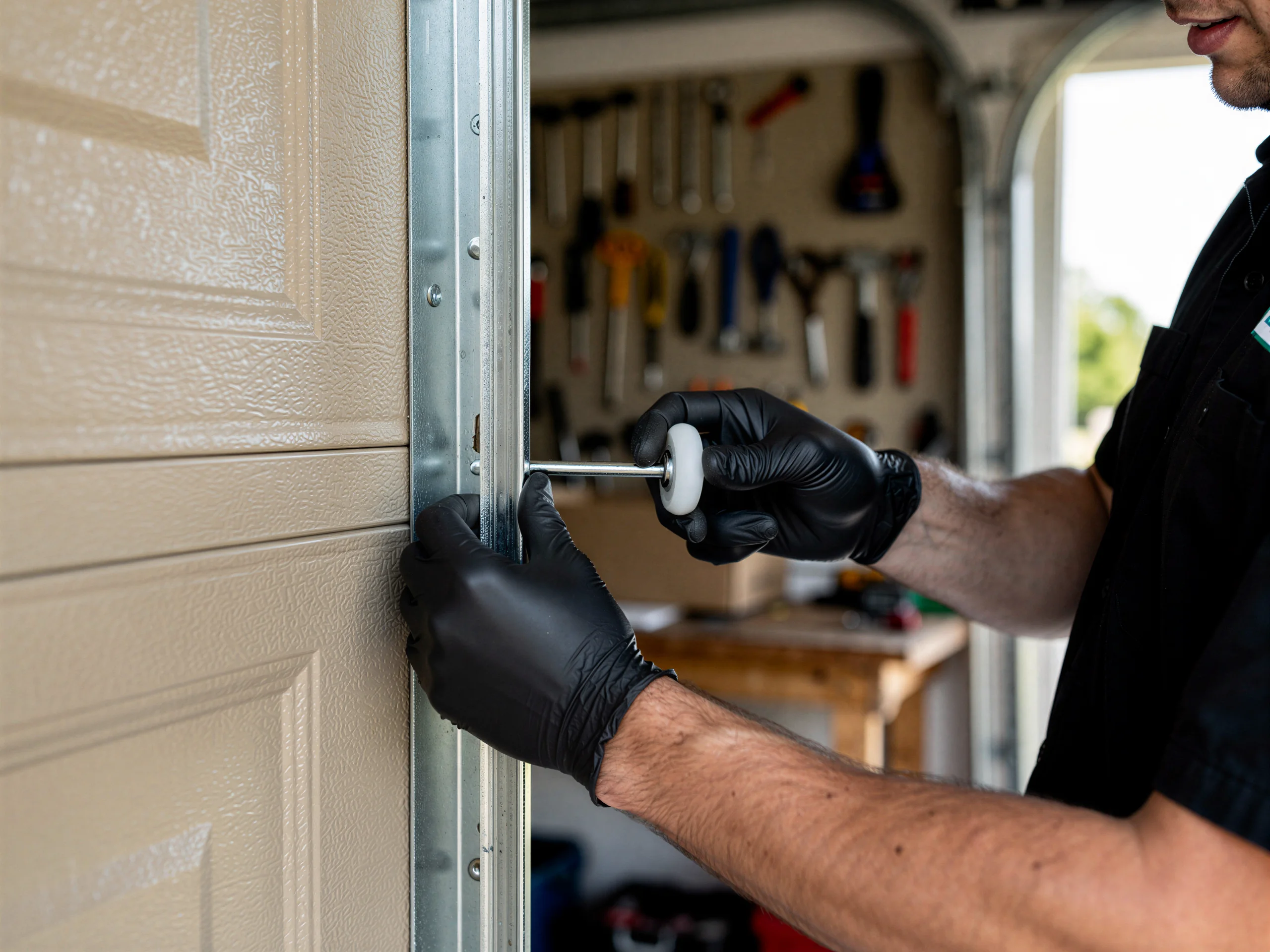
Unbolting a single panel section isn't the hard part - it's the two end hinges and a strut bar, and most of that is accessible with a socket wrench. The hard part is getting a panel that actually fits a door built around 1974, because the section width, the groove spacing, and the hinge spacing all varied by manufacturer back then, and a panel that's an eighth of an inch off won't seat flush against its neighbors.
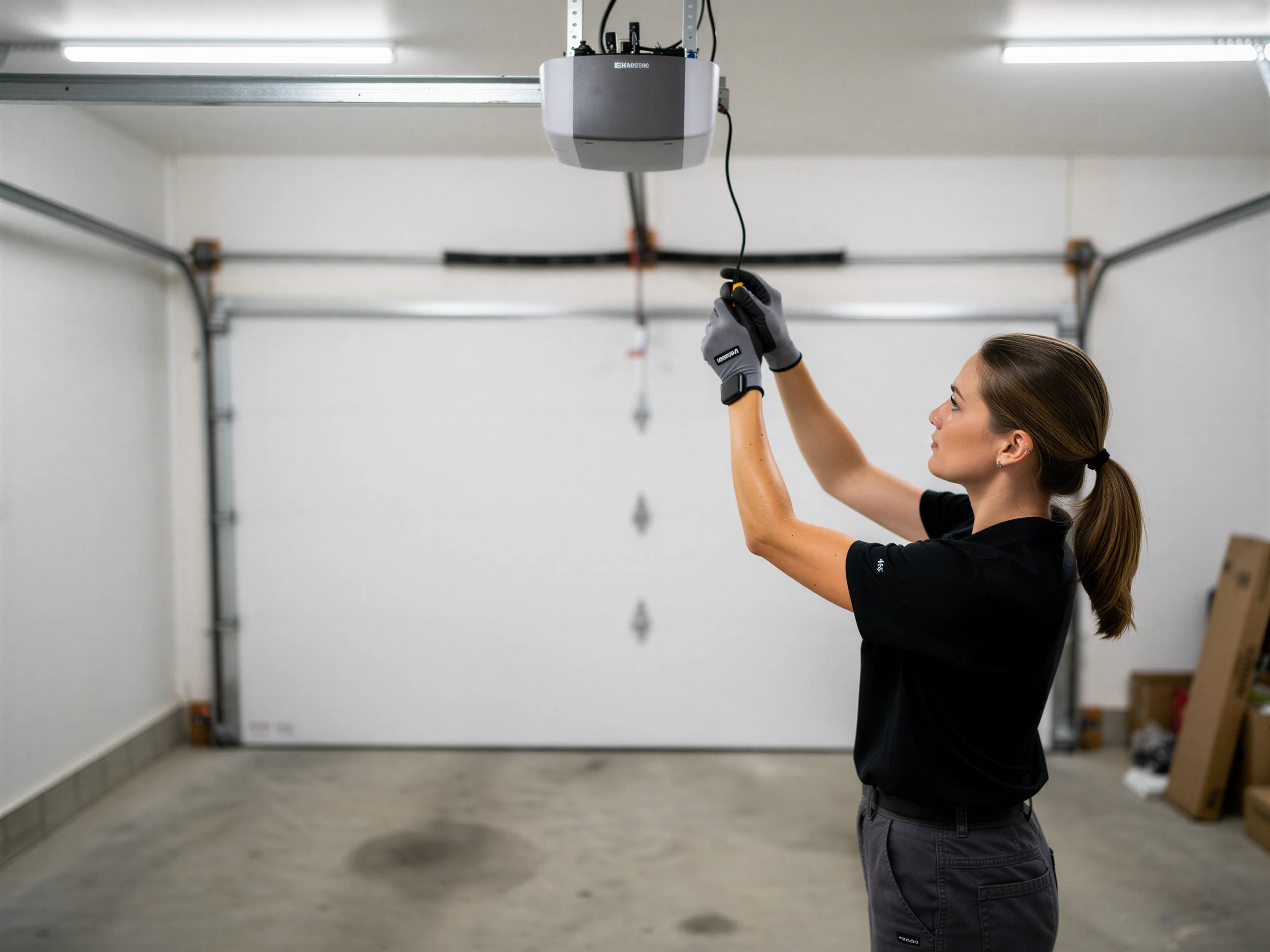
If you've already got the exact replacement panel in hand - maybe salvaged from a matching door, or special-ordered to the right spec - swapping it yourself on a single-car residential door is within reach for someone comfortable on a ladder with the door disconnected from the opener. What we'd stop you on: doing this with the torsion spring still under tension, or without supporting the door section before you pull the last hinge bolt. That's where people get hurt, not the bolt-turning.
How We Fix It
First thing we do on site is match the panel - measure the section width, hinge spacing, and skin gauge against what's actually available, since a door from the early-to-mid 1970s build era doesn't always match current stock sizes.
Under-hour panel swap
If it's a clean match, the swap itself is usually under an hour: support the door, pull the damaged section's hinges and end stile, set the new panel, re-hang, and check the door tracks true without binding.
Close-fit substitute options
If the panel isn't a clean match - which happens more often the older the door - we'll walk you through the options on the spot: a close-fit substitute, a special order with a wait on it, or in some cases that the labor-to-outcome math points toward replacing the whole door instead.
No forced panel fits
We're not going to install a panel that doesn't sit right just to finish the job faster. Westlake Village's mild climate means we're not fighting rust-through or warped wood on most of these doors - it's almost always wear and impact damage, which makes the fix more predictable than in places with harsher weather.
Talk to a local pro
Garage door service in Ventura?
Same-day service with honest, upfront quotes.