Parts We Carry
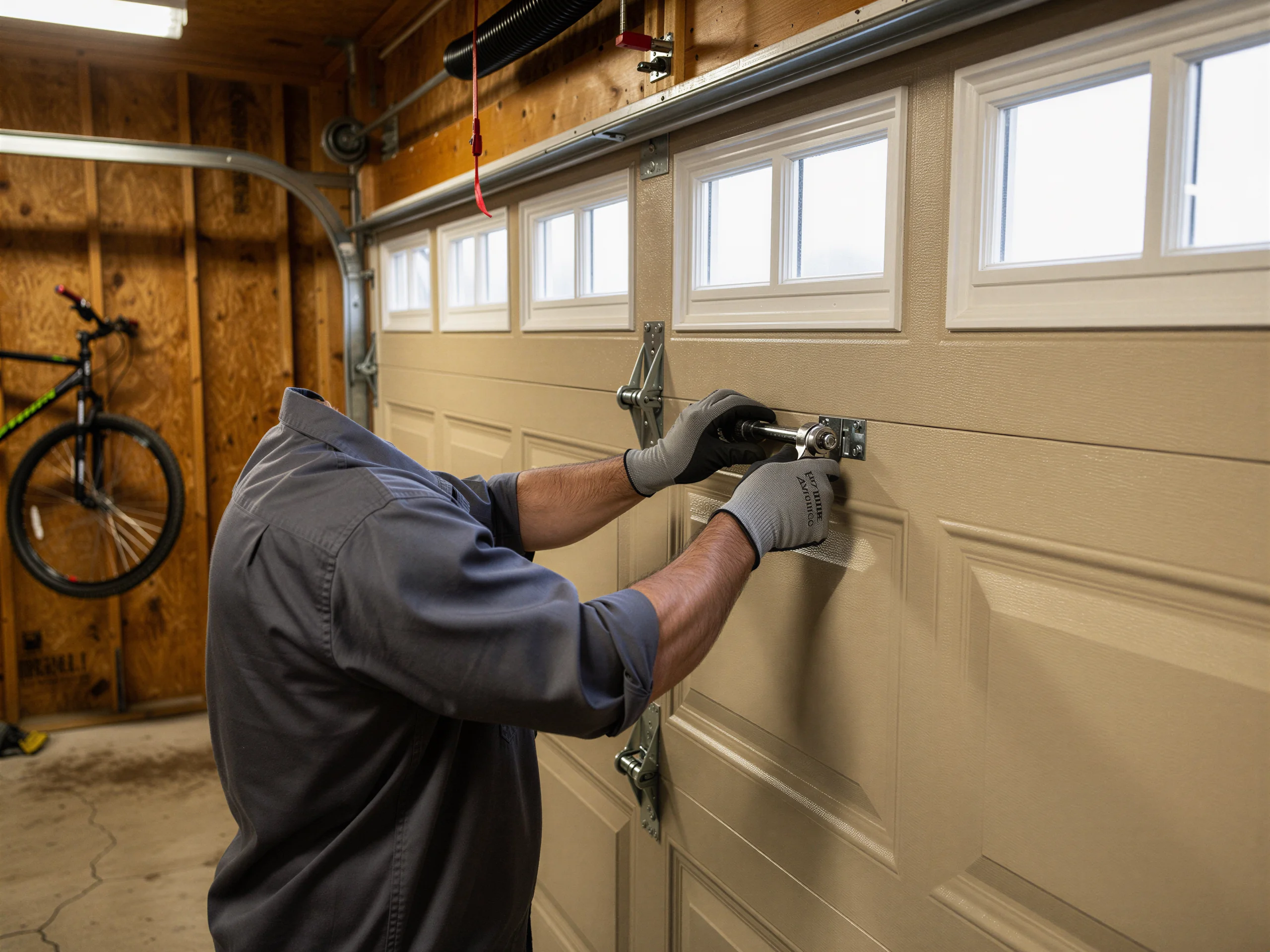
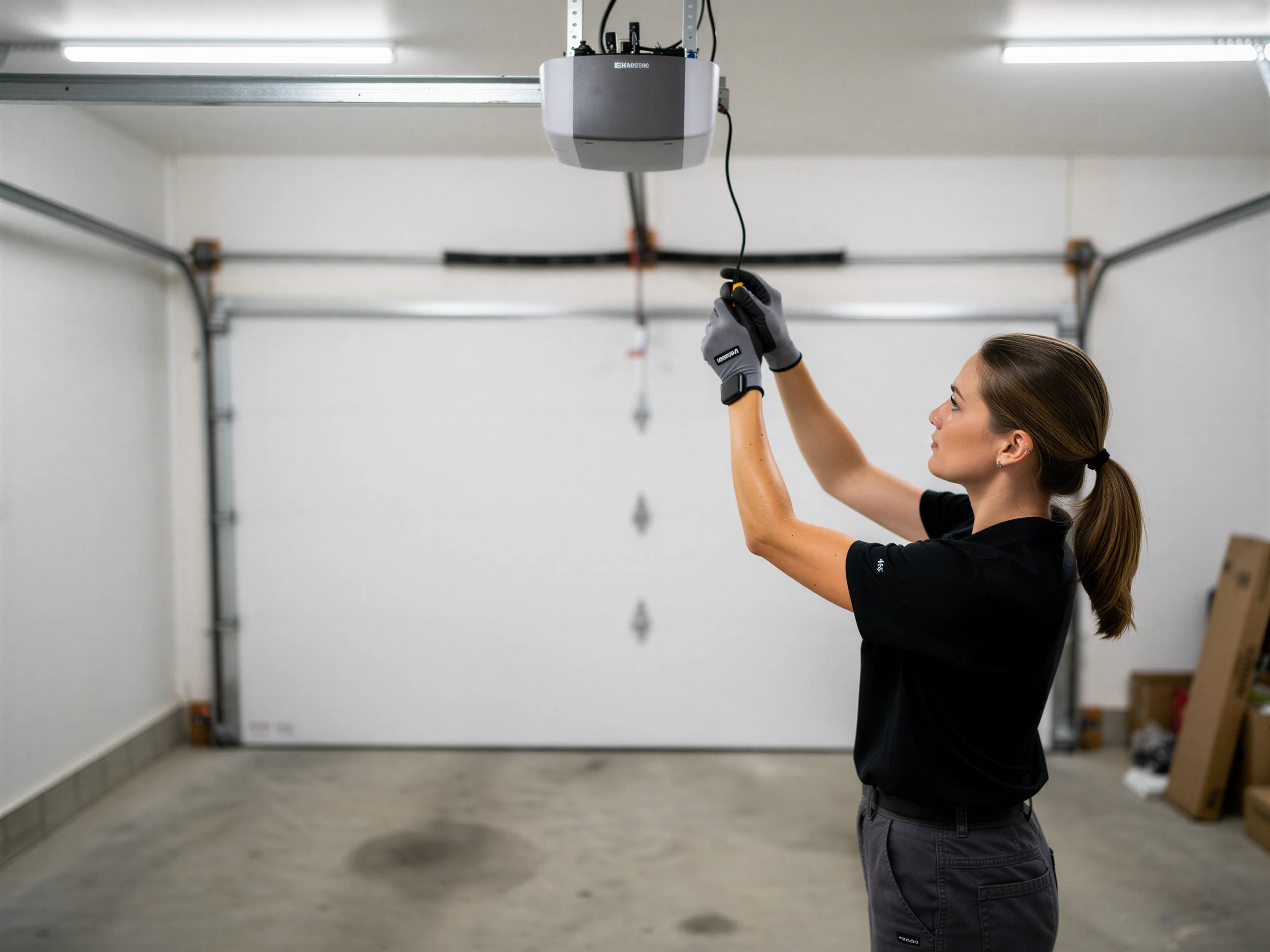
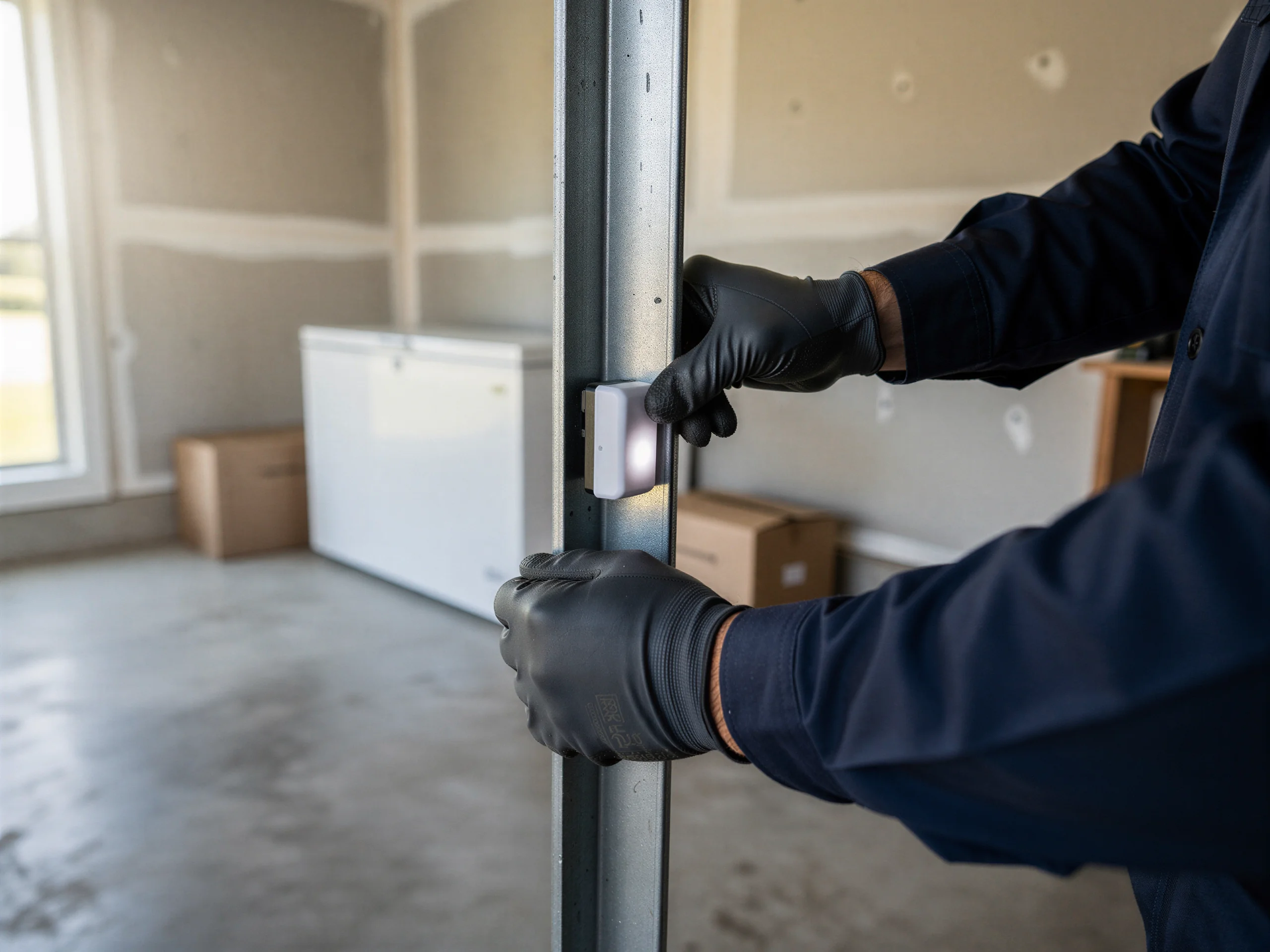
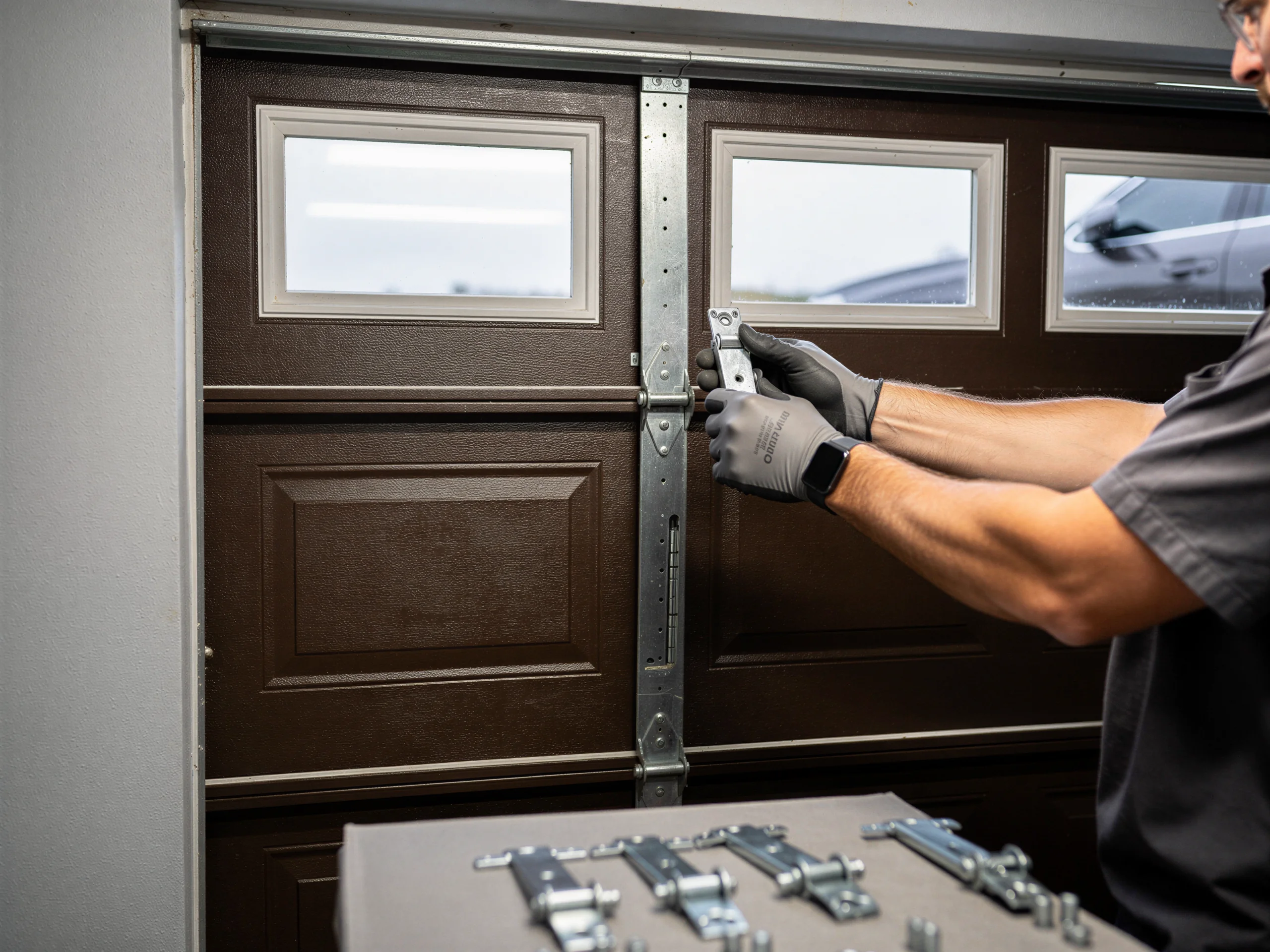
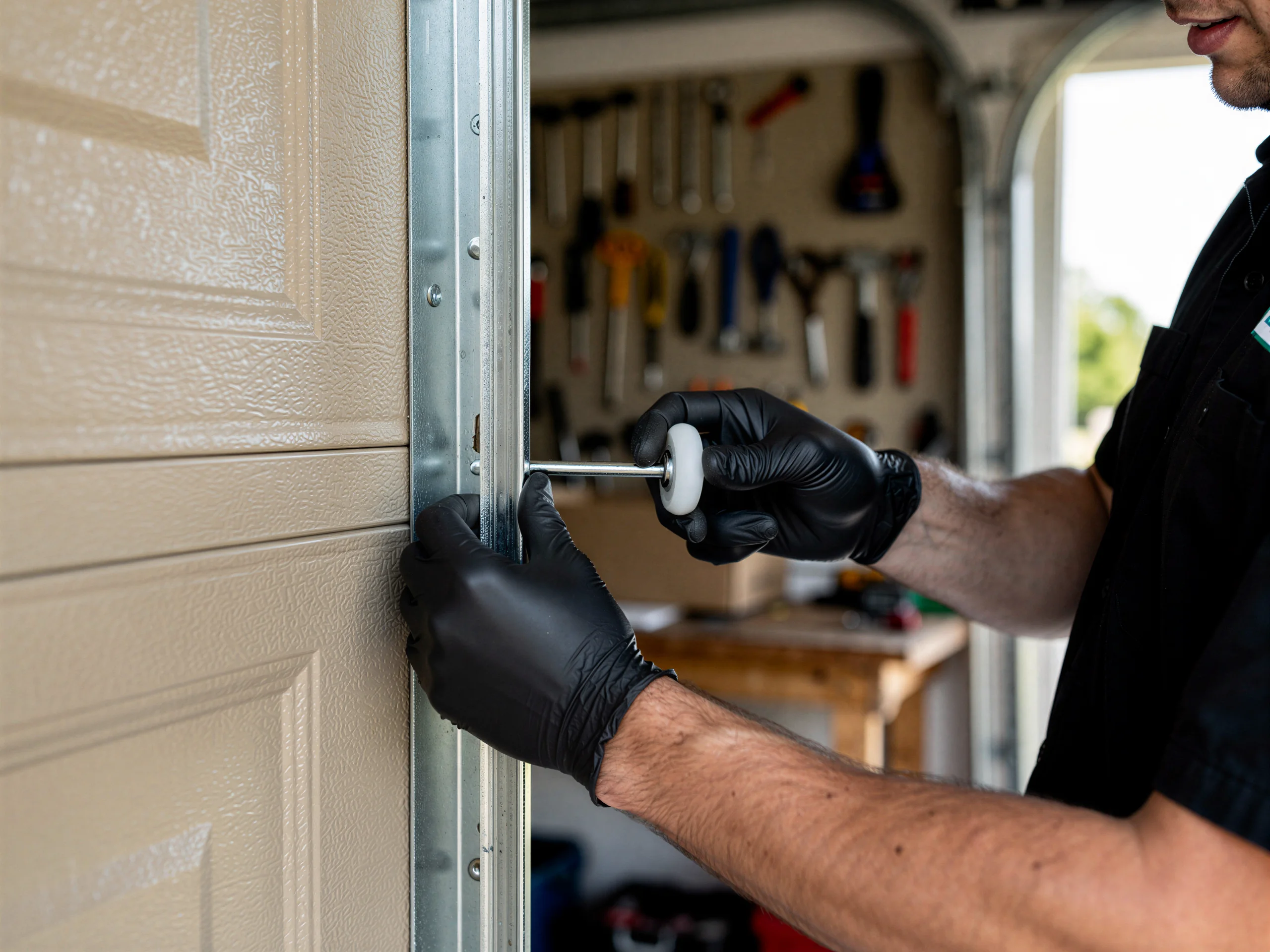
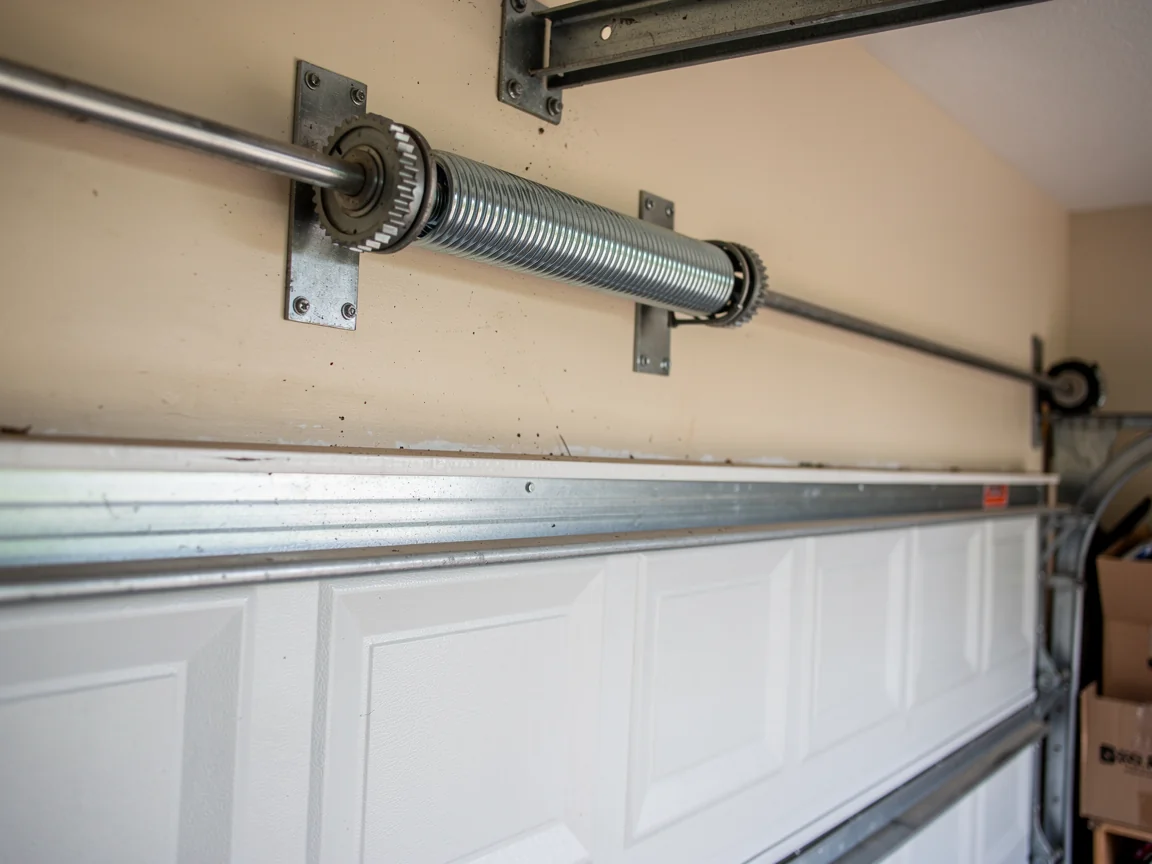
Homes in Westlake Village cluster around a 1974 build date, which puts most original garage doors squarely in the extension-spring era, not torsion. That's a different repair than what you'll find on a house built in the 1990s: extension springs run along the horizontal tracks instead of over the header, and a lot of these original setups never got safety cables added when that became standard practice later on. We carry extension springs in the sizes that era used, along with the safety cables that should be there now even if they weren't in 1974. We also stock rollers, hinges, and cable drums sized for the lighter steel doors that were typical of that build period, plus openers compatible with older rail systems. If a part on your door isn't something we carry on the truck, we'll tell you straight rather than guess and come back twice. Given that we're driving in from Ventura, having the right part the first trip matters more here than it would for a shop based five minutes away.
The Cost of This Job
We don't publish a flat price here because the job depends on what's actually broken and what's on the truck versus what has to be ordered.
Repair cost versus replacing
What we can say is that the housing stock shapes the cost conversation more than people expect. A 1974-era door with original extension-spring hardware is often cheaper to repair than to replace outright, since the frame and track are usually still sound even when the springs or cables have failed.
Upgrade cost line items
Where cost climbs is when a homeowner wants to upgrade to insulated steel or add a quieter opener system - understandable given the area's income level, but it's a different line item than a repair call.
Mileage pricing separation
Being honest about the trip: a 29-mile run from Ventura is built into how we price a visit here compared to closer towns in our service area. We'll always quote the job itself separately from that, so you're not guessing which part of the number is parts-and-labor and which is drive time.
Can You Do This Yourself
Extension springs are the one piece of this job we'd actively talk you out of handling solo. They store less tension per spring than torsion springs, but there are two of them, they're exposed along the track, and the safety cables that are supposed to contain a snapped spring weren't always installed on doors from this build era. If yours doesn't have them, a spring failure can send a piece of steel across the garage at speed. Rollers, weatherstripping, and tightening loose hardware on the track are reasonable DIY territory if you're comfortable on a ladder. Spring replacement and anything involving the torsion or extension system itself is not, regardless of how many videos make it look simple. We'd rather you call for that one and spend your Saturday on something else.
How We Fix It
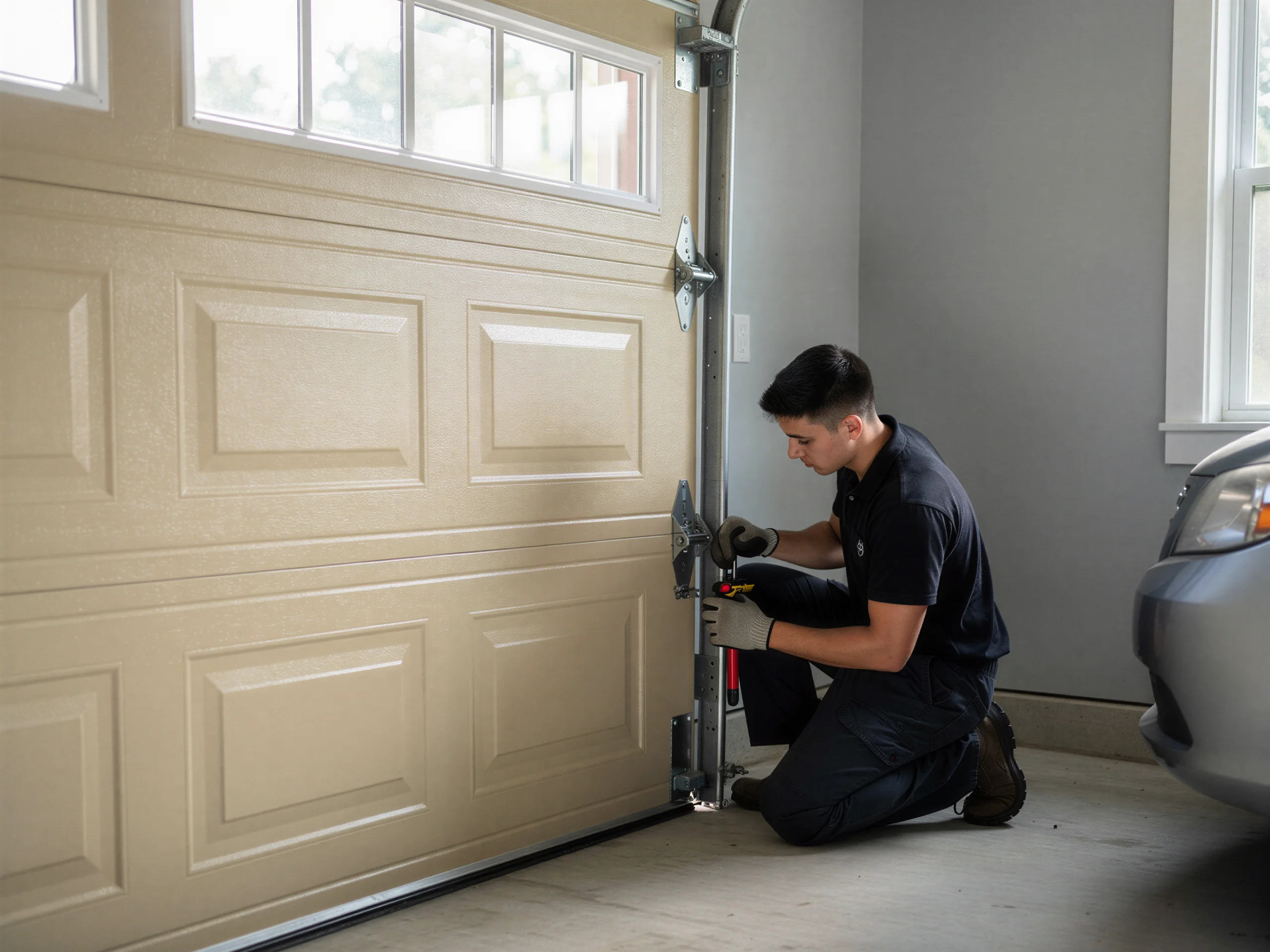
First call is diagnosis over the phone when possible, so we know roughly what's wrong and what to bring before the drive out. On site, we check the obvious failure points for a door this age first: spring tension, cable fraying at the drum, and whether the track is still aligned or has drifted out of plumb over five decades of use. Mild coastal temperatures here mean we're rarely dealing with weather-cracked rubber seals or rusted-through springs the way a harsher climate would produce, so most failures we see are mechanical wear rather than weather damage. We replace what's failed, add safety cables where they're missing, and test the door through a full cycle before we leave. If the opener itself is original to the house, we'll tell you if it's worth repairing versus replacing rather than patching something that's going to fail again in six months.
Talk to a local pro
Garage door service in Ventura?
Same-day service with honest, upfront quotes.