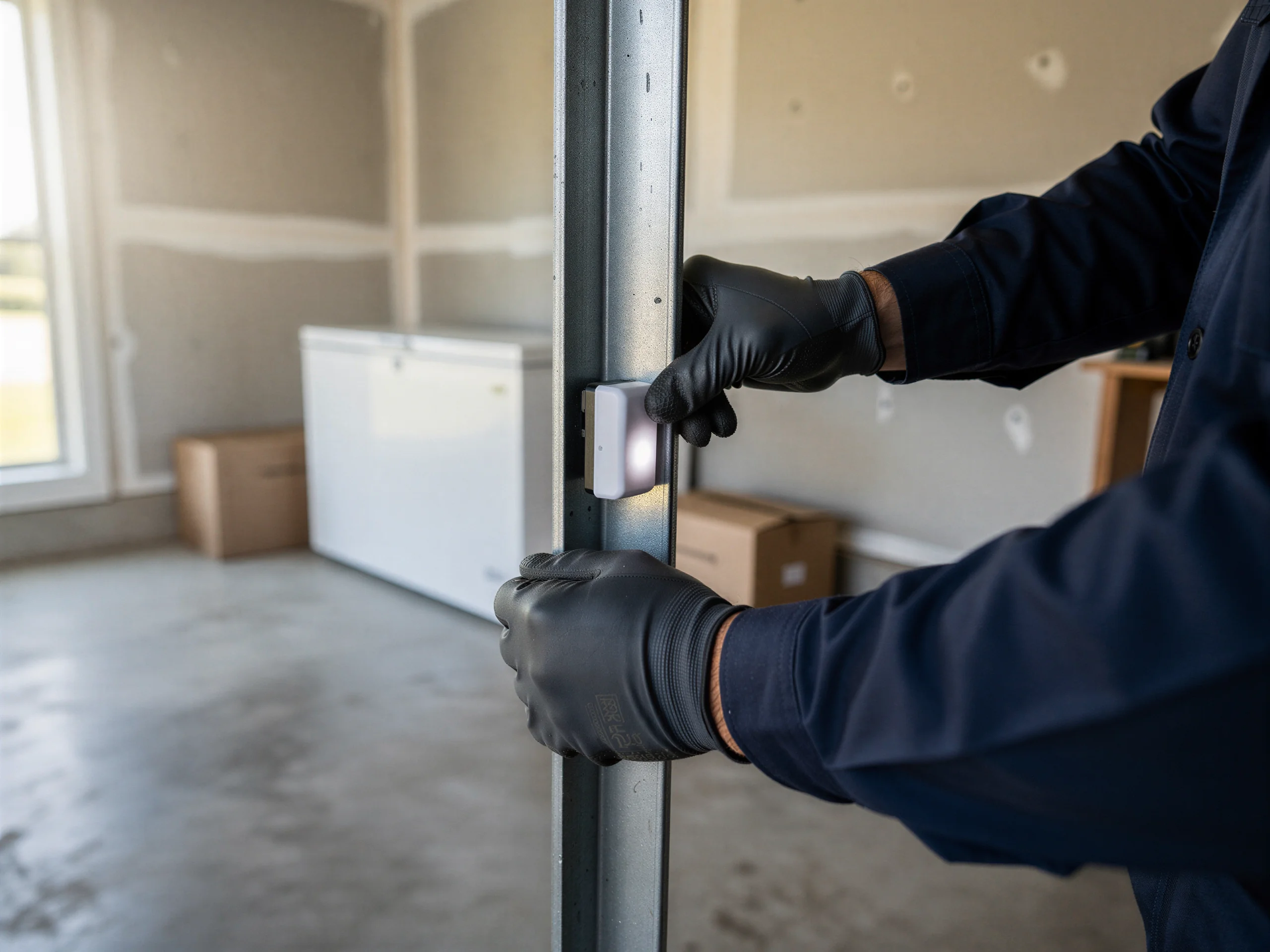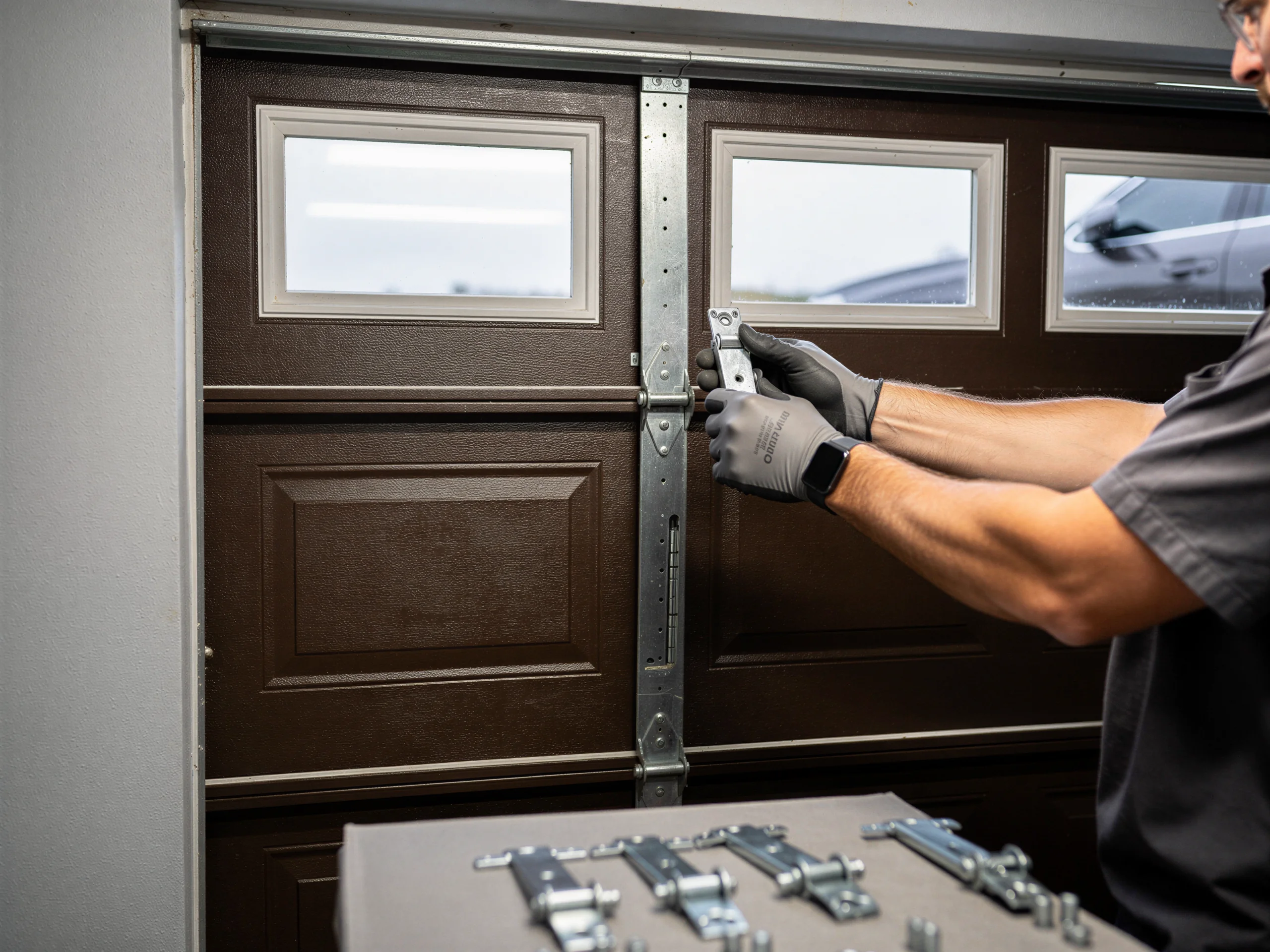
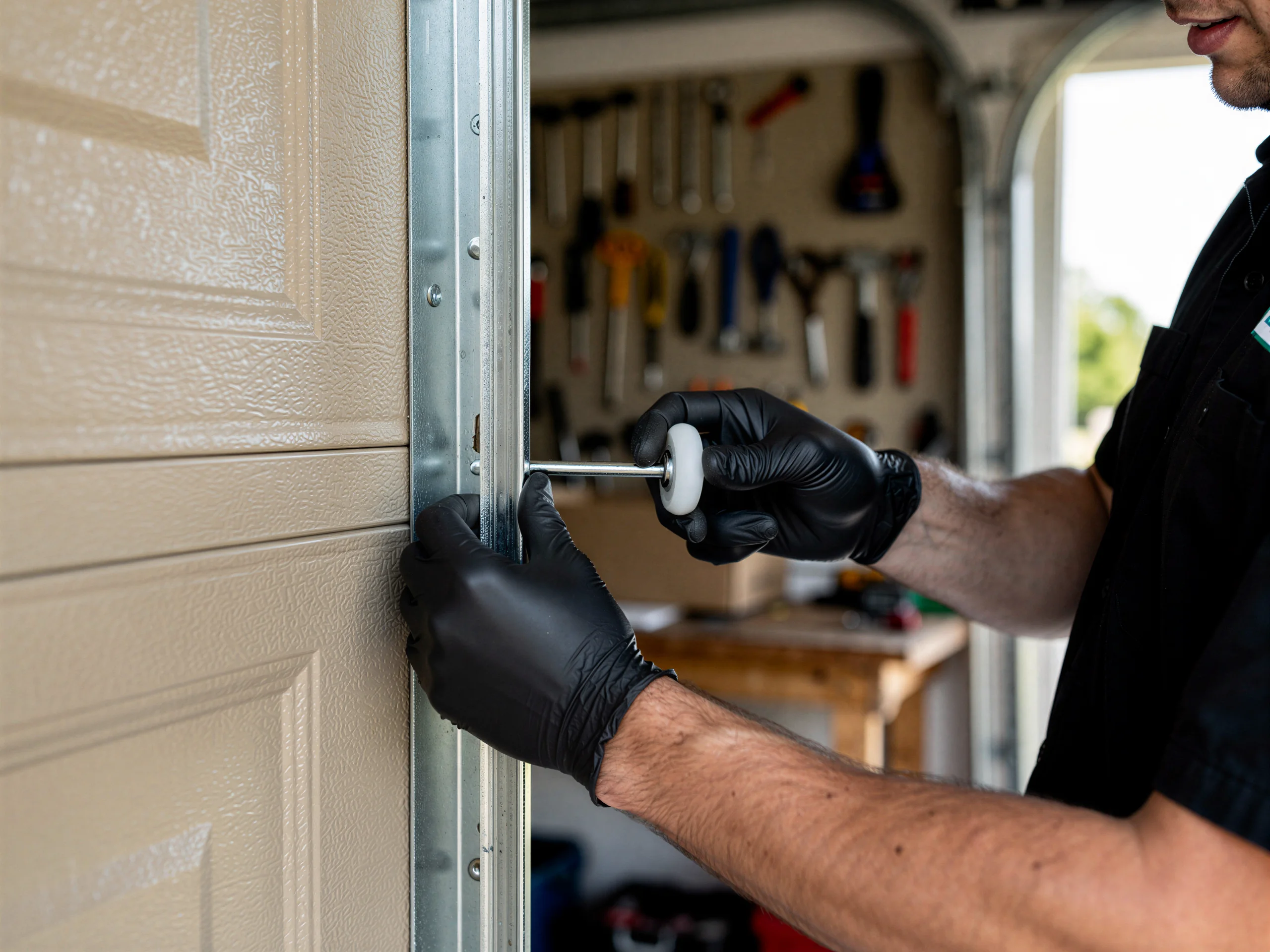
Parts We Carry
Santa Paula's housing runs to a median build year of 1970, which falls right in the middle of the wider service area's 1956-1997 range (median 1973).
Builder-grade steel rollers
That means a lot of these garage doors are still running on the steel rollers and narrow tracks that came standard on builder-grade doors in that era. Steel-on-steel is loud, it wears the track faster than it should, and once the roller stem bends even slightly, the door starts binding on one side before you notice anything else is wrong.
Nylon sealed-bearing swap
We carry nylon rollers with sealed bearings as the standard swap for these jobs - quieter, and they don't chew up the track the way the original steel ones do.
Longer worn-hole stems
We also stock the 10-ball and 13-ball bearing versions for doors that see heavier daily use, plus the longer stems that some of these older track setups need once the original hole pattern has worn oval. If a door's track itself is bent or rusted through, rollers alone won't fix it, and we'll say so rather than sell a roller job that won't hold.
How We Fix It
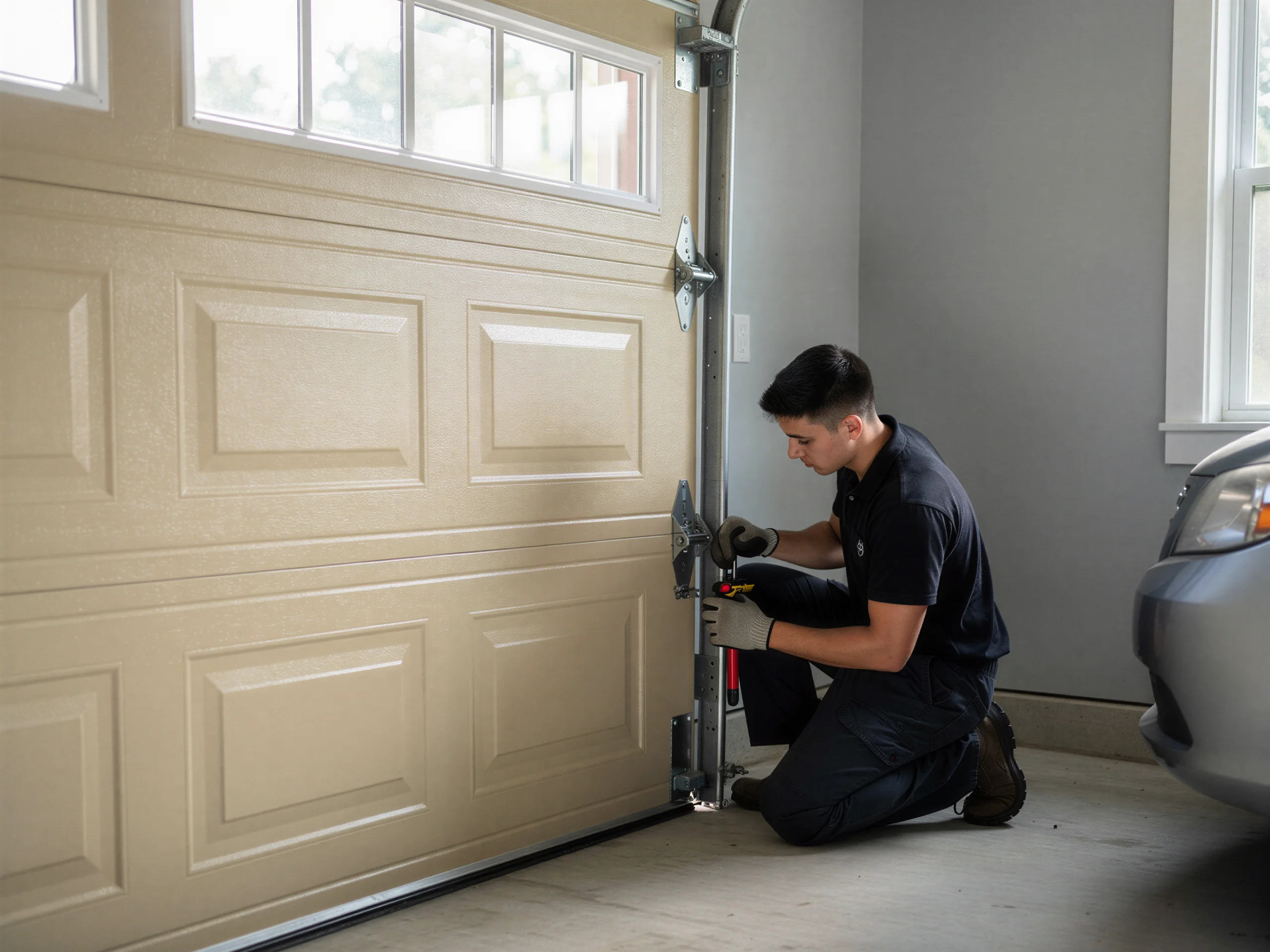
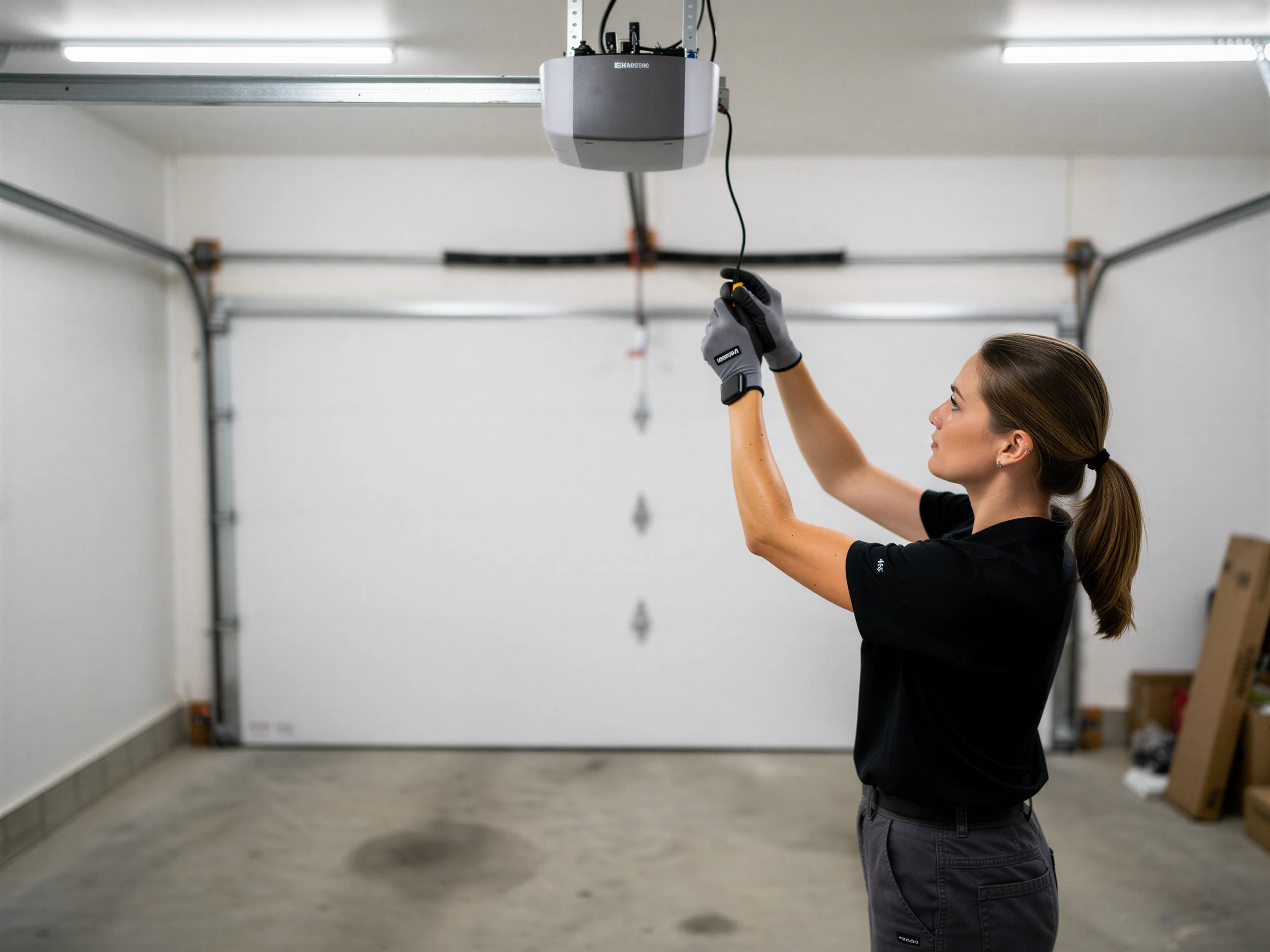
We start by running the door through a full cycle by hand with the opener disconnected, watching each roller as it passes through the track.
Stem-worn roller diagnosis
On a 1970-era door this usually tells the story fast: one or two rollers worn down to the stem, the rest still serviceable, and a track that's picked up surface rust from the mild coastal-adjacent climate here but hasn't warped.
One-at-a-time roller pulls
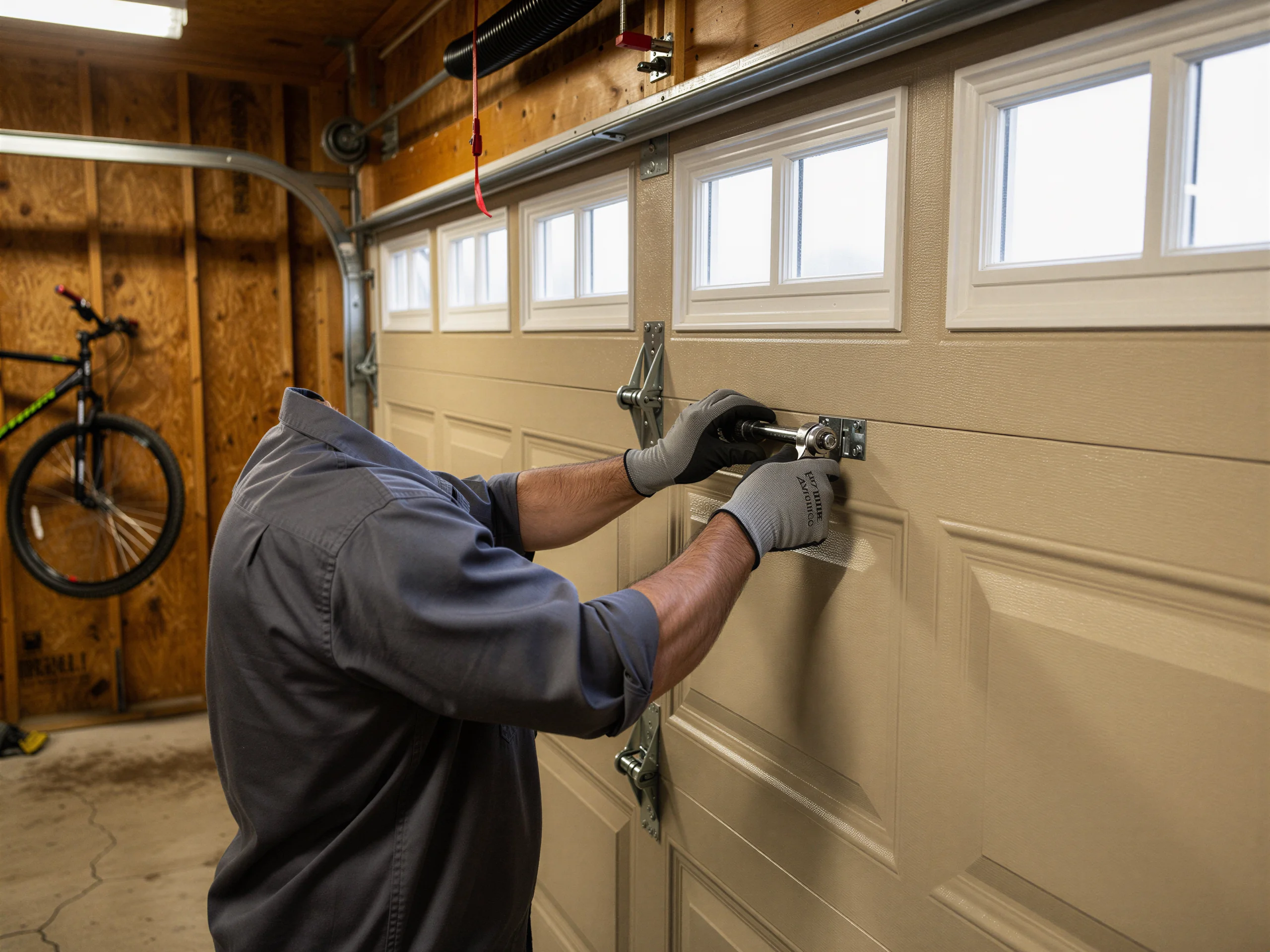
We pull the worn rollers one at a time rather than dropping the whole door off its hinges, which keeps the panels aligned and avoids turning a roller job into a bigger one. Each hinge gets checked while the roller's out, since a cracked or stretched hinge is often what wore the roller down in the first place.
Lube and spring flag
We lube the track and test the full cycle again before calling it done. If the spring is also near the end of its life - common on a door this age - we'll flag it, but we won't replace it unless it's actually failing.
Getting It Booked In
We run this service out of Ventura, about 14 miles from Santa Paula, so we book roller jobs by appointment rather than same-day drop-ins. Tell us what you're hearing - grinding, a door that jumps or sticks at one spot in the track - and we can usually tell you over the phone whether it's a roller job or something bigger before we ever load the truck.
Because this is a driven call rather than a local branch, we ask that you confirm the door's basic make and age if you know it. A door from the 1970s build wave usually needs a different roller stem length than anything installed in the last fifteen years, and knowing that ahead of time means we bring the right parts the first trip instead of a second one.
What You Are Seeing
A grinding or rattling sound that gets worse as the door opens, especially near the top of the track, is the most common complaint on Santa Paula's older stock.
Flat spot or cracked bearing
That's usually a roller with a flat spot or a cracked bearing. If the door jerks or hesitates at the same point every time, check that spot in the track for a roller that's worn down enough to catch on the track seam instead of rolling smoothly through it.
Off-track door warning
A door that's come off the track on one side, or that looks like it's hanging crooked, is past a simple roller swap - that's a job where you shouldn't force the opener to keep trying.
Early 1970s roller wear
Household size and daily open-close counts vary across the area's roughly 9,400 households, but the pattern holds: doors on original steel rollers from the early 1970s are the ones showing up with this kind of wear first.
The Cost of This Job
We don't post flat pricing here because the real cost depends on how many rollers need replacing, whether it's nylon or the heavier-duty bearing version, and whether the track needs more than a cleaning and realignment. A full set swap costs more than a two-roller spot fix, and a bent track adds labor beyond the rollers themselves.
With median household income in the area at $77,130, we try to be straightforward about which parts are worth replacing now versus which can wait. If only the bottom rollers show wear, we won't push a full-set replacement. If the track's rusted through in spots, patching around it with new rollers alone is a short-term fix we'll tell you about upfront, not after the fact.
Can You Do This Yourself
Swapping a bottom roller on an older door is within reach for a handy homeowner, especially if the door uses the open-ended tracks common on 1970s installs, where the roller can slide out from the bottom without pulling the hinge.
Top roller danger
Top rollers near the spring and cable system are a different matter - the spring is under tension and the cable runs right next to where your hand would be working.
No phone walkthroughs
Our honest limitation: we don't talk anyone through that part of the job over the phone, and we won't send parts without doing the install on anything involving the top rollers or the track near the spring.
Bottom roller DIY
If you're only dealing with a noisy bottom roller and the door still runs true, a basic nylon roller from a hardware store and fifteen minutes is a reasonable DIY call. Anything past that, it's worth having it looked at in person.
Talk to a local pro
Garage door service in Ventura?
Same-day service with honest, upfront quotes.