Parts We Carry
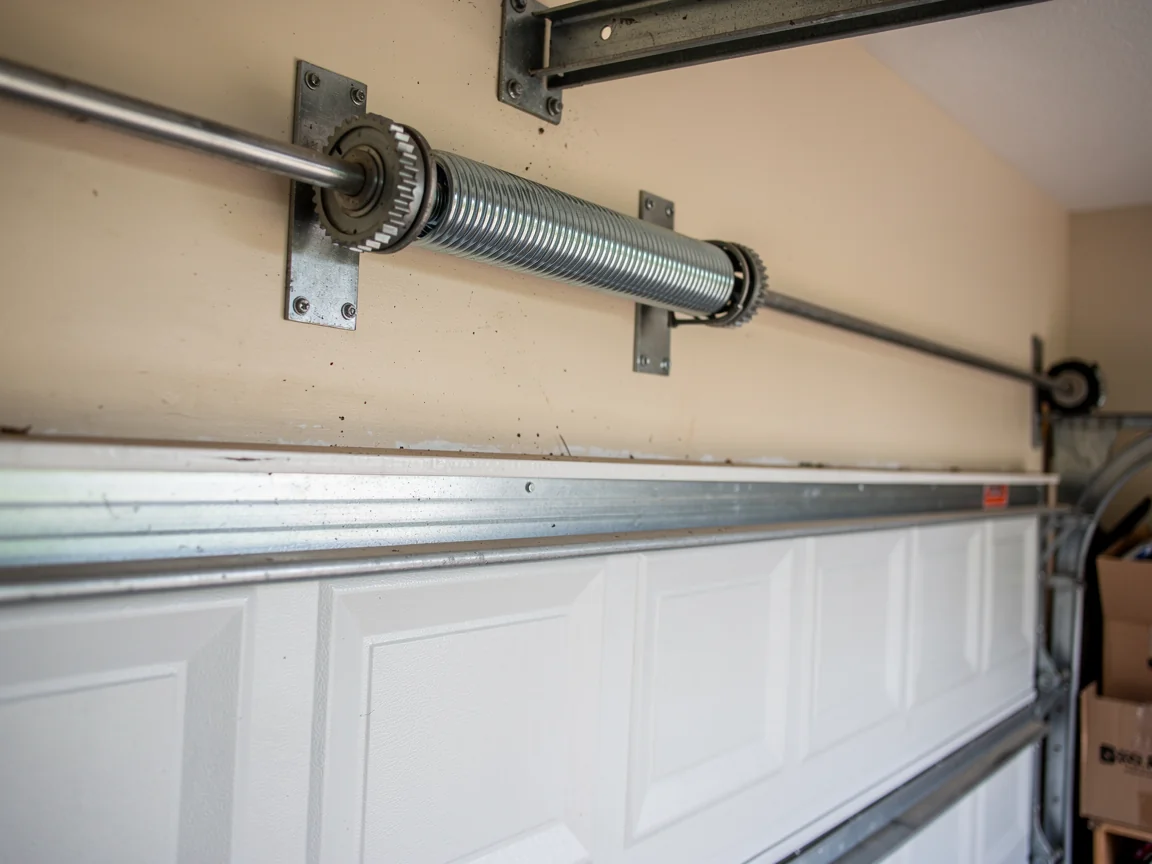
We stock what actually breaks on the doors we see out here. Santa Paula's housing stock centers on 1970, which means a lot of steel sectional doors built with extension springs mounted along the horizontal track rather than the torsion springs that came standard on later builds.
Both spring types
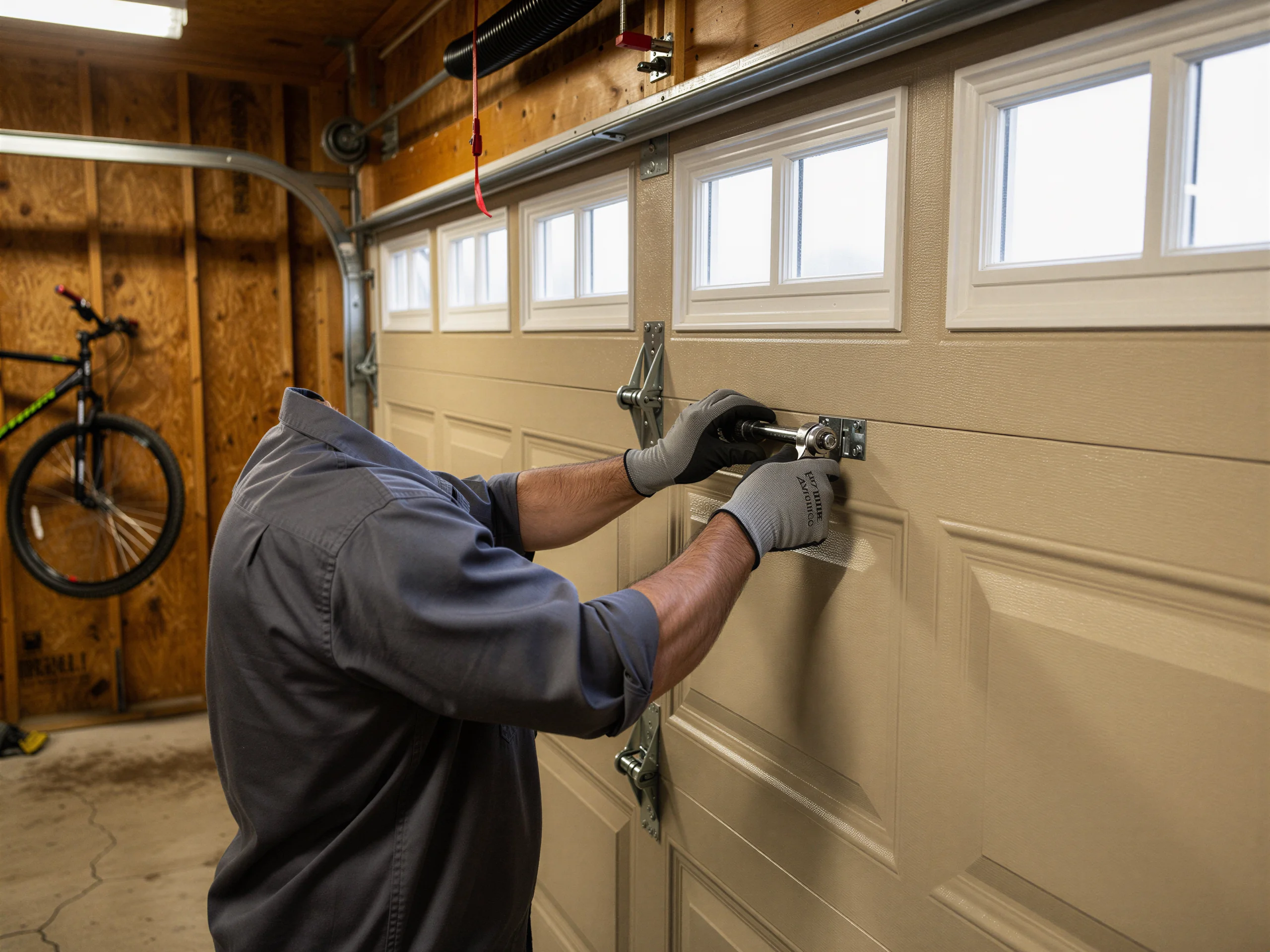
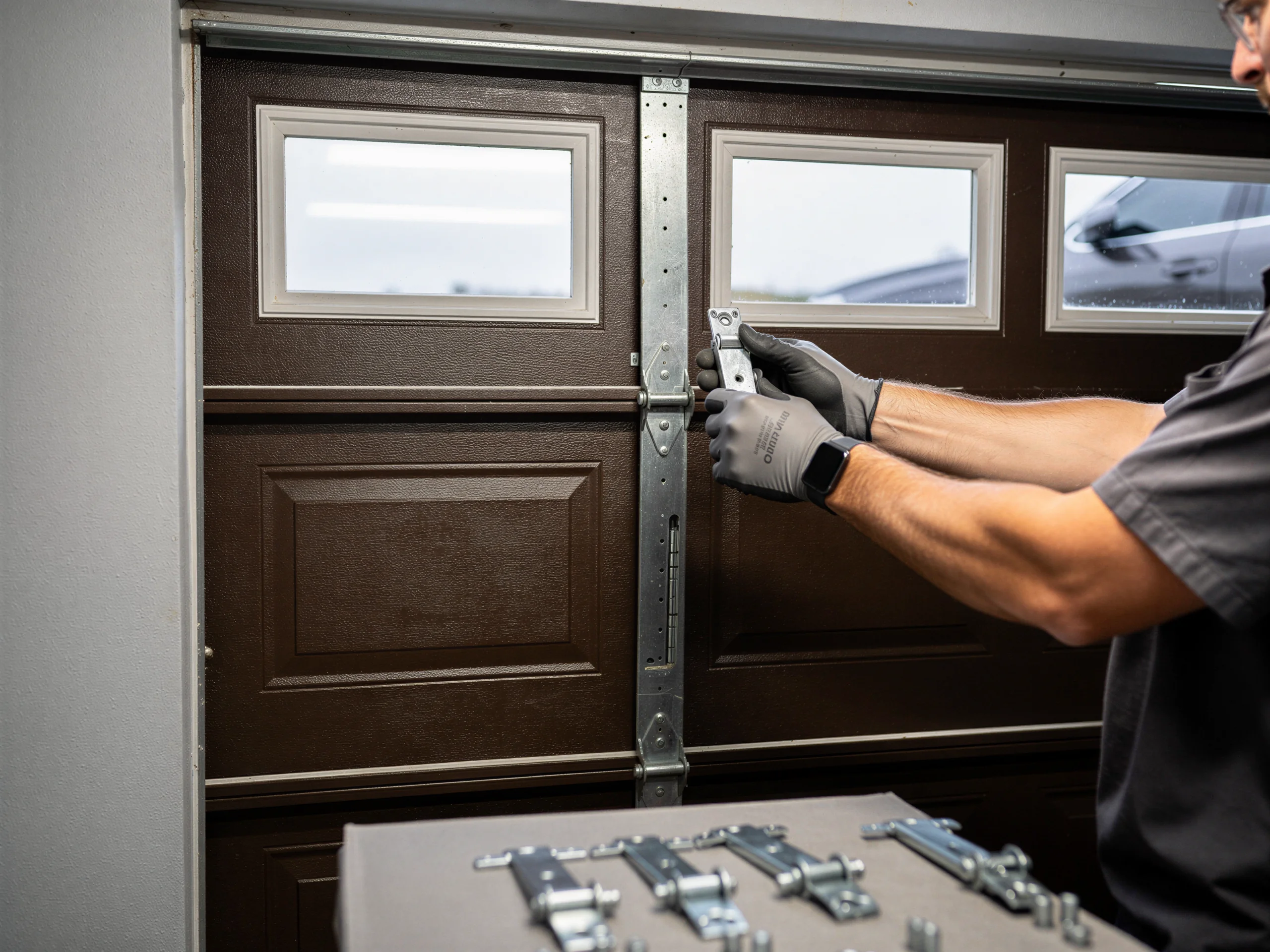
We carry both spring types on the truck, along with the stamped-steel hinges and the flat-wound cables those early extension setups use, because a torsion-only stock leaves half the calls in this town waiting on a second trip.
Roller type options
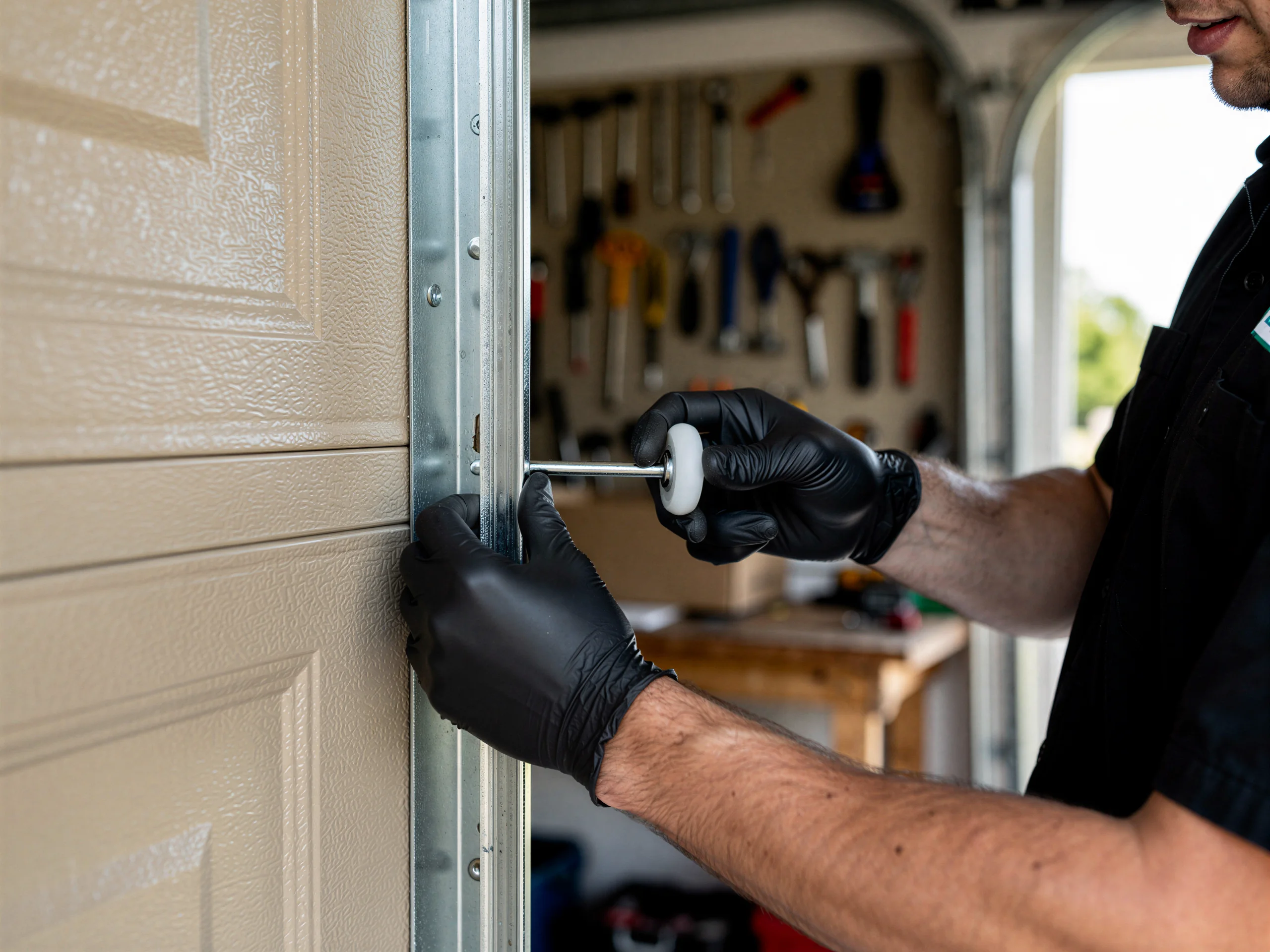
We also carry standard galvanized rollers and nylon rollers - the mild coastal-valley climate here doesn't force the sealed-bearing upgrade that colder, wetter regions need, so we don't push it unless the door's already loud.
Specialty glass inserts
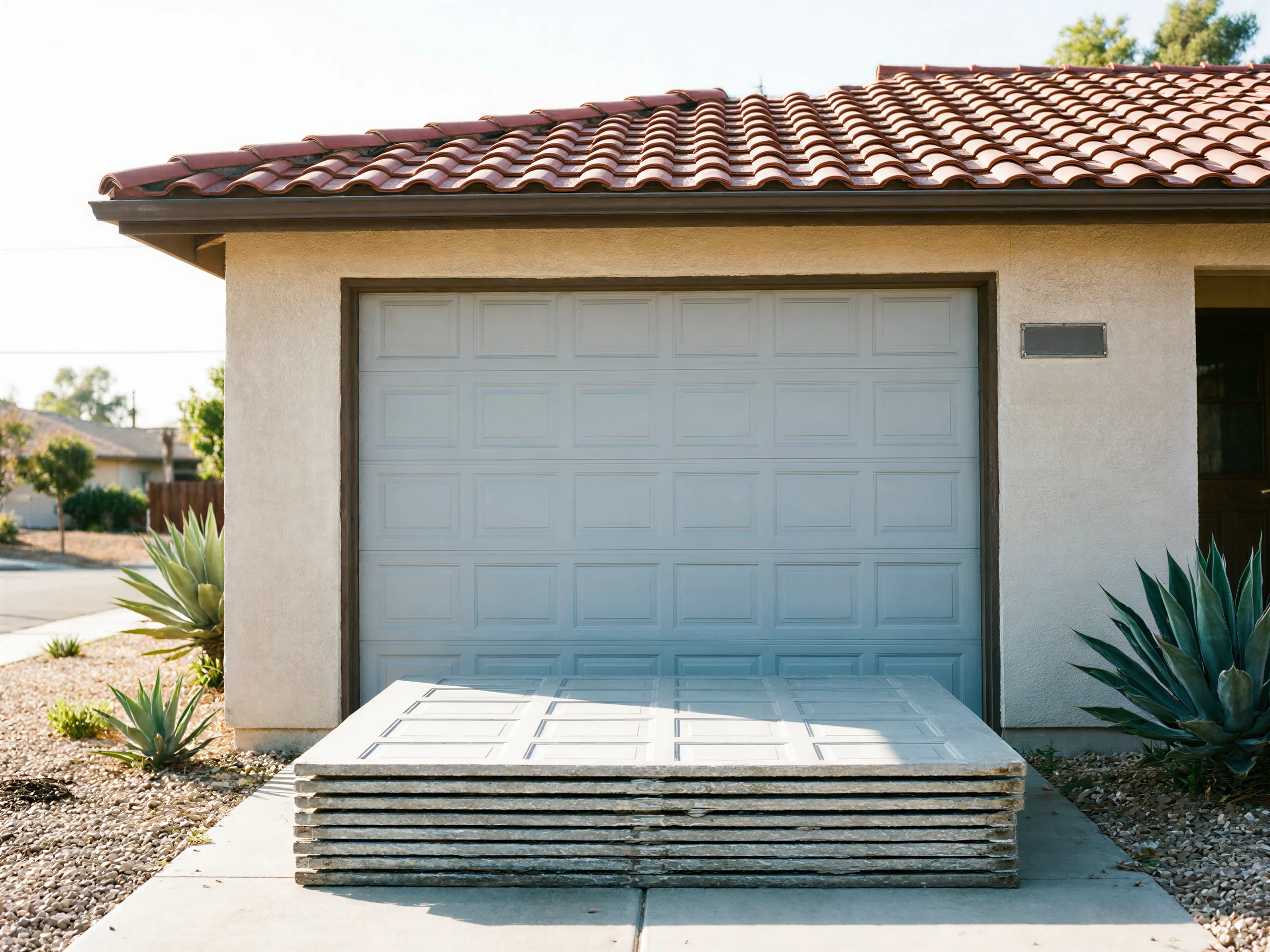
What we don't carry on the truck is specialty glass-panel inserts or custom-width track for oversized openings; those get ordered and that adds a few days, which we'll tell you up front rather than promise something we can't hand you same visit.
How We Fix It
On a 1970-era door, the first thing we check is whether the spring system is original extension or a torsion retrofit someone did at some point - a lot of these doors have been converted once already, and the conversion quality varies.
Spring pair replacement
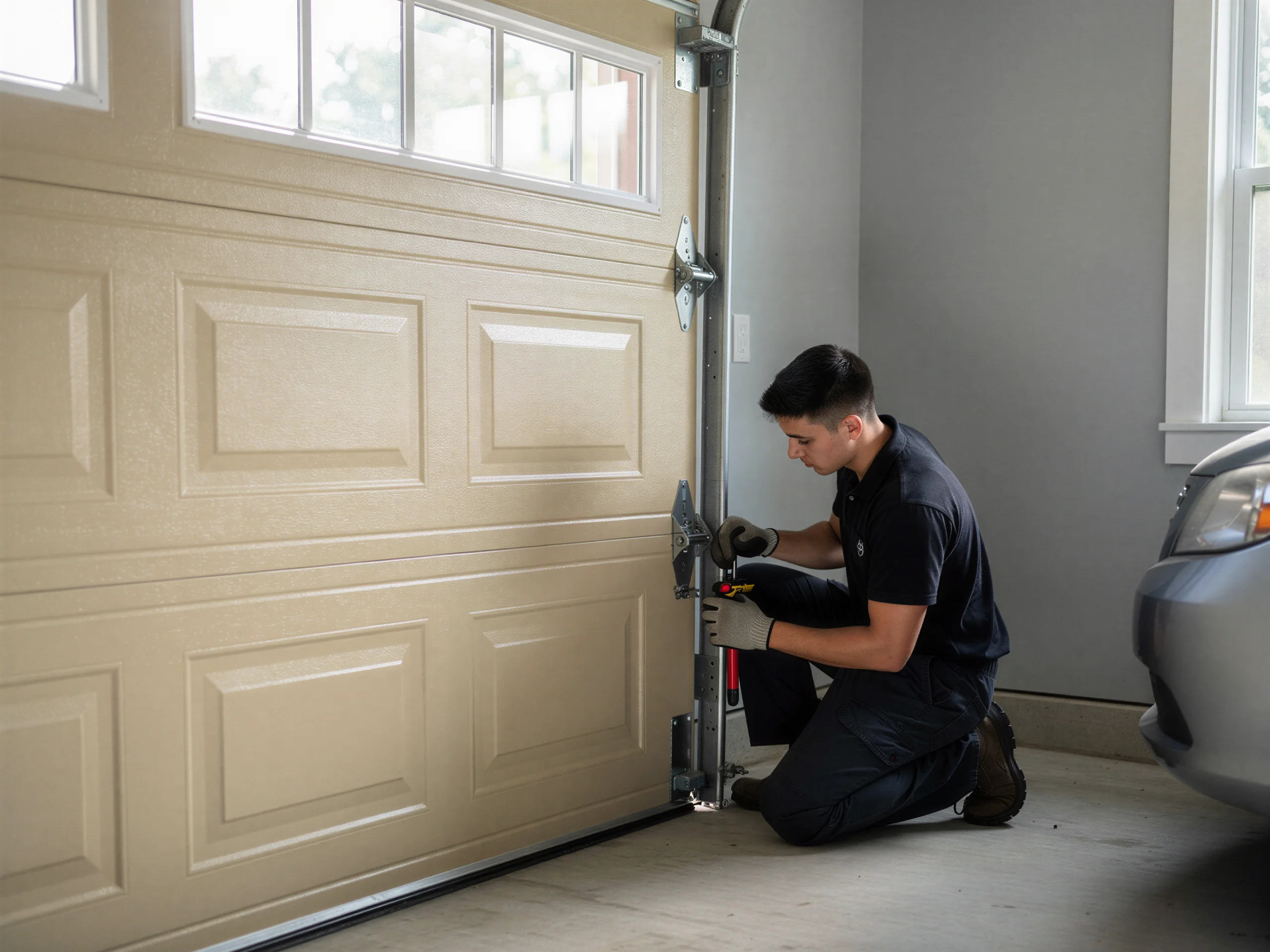
If it's still running on the original extension springs, we replace in pairs even if only one has snapped, because the other is the same age and close behind it.
Truing old tracks
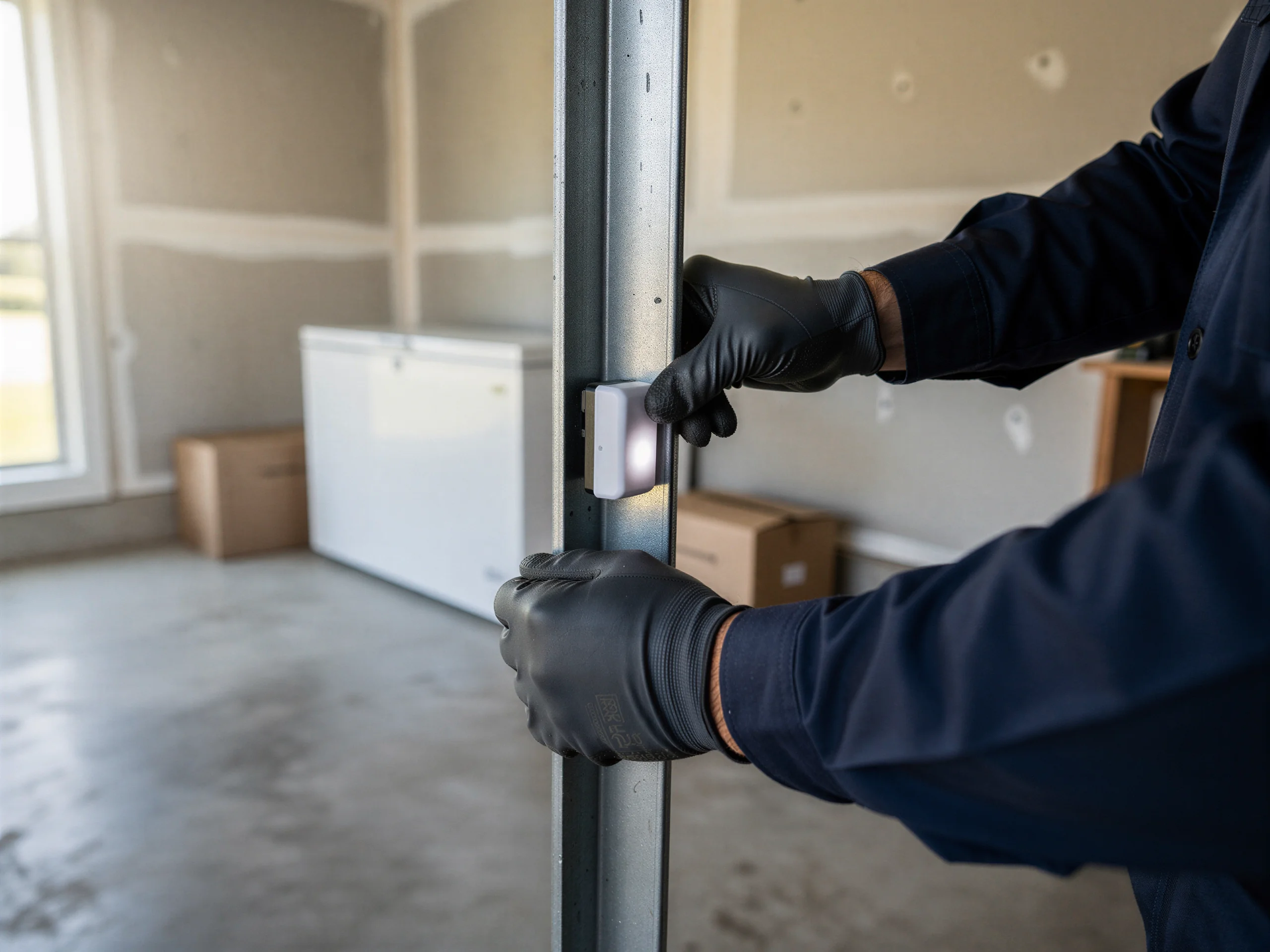
Tracks on doors this old are usually straight enough to true up rather than replace, which keeps the job to parts and labor instead of a full track swap.
Board versus new opener
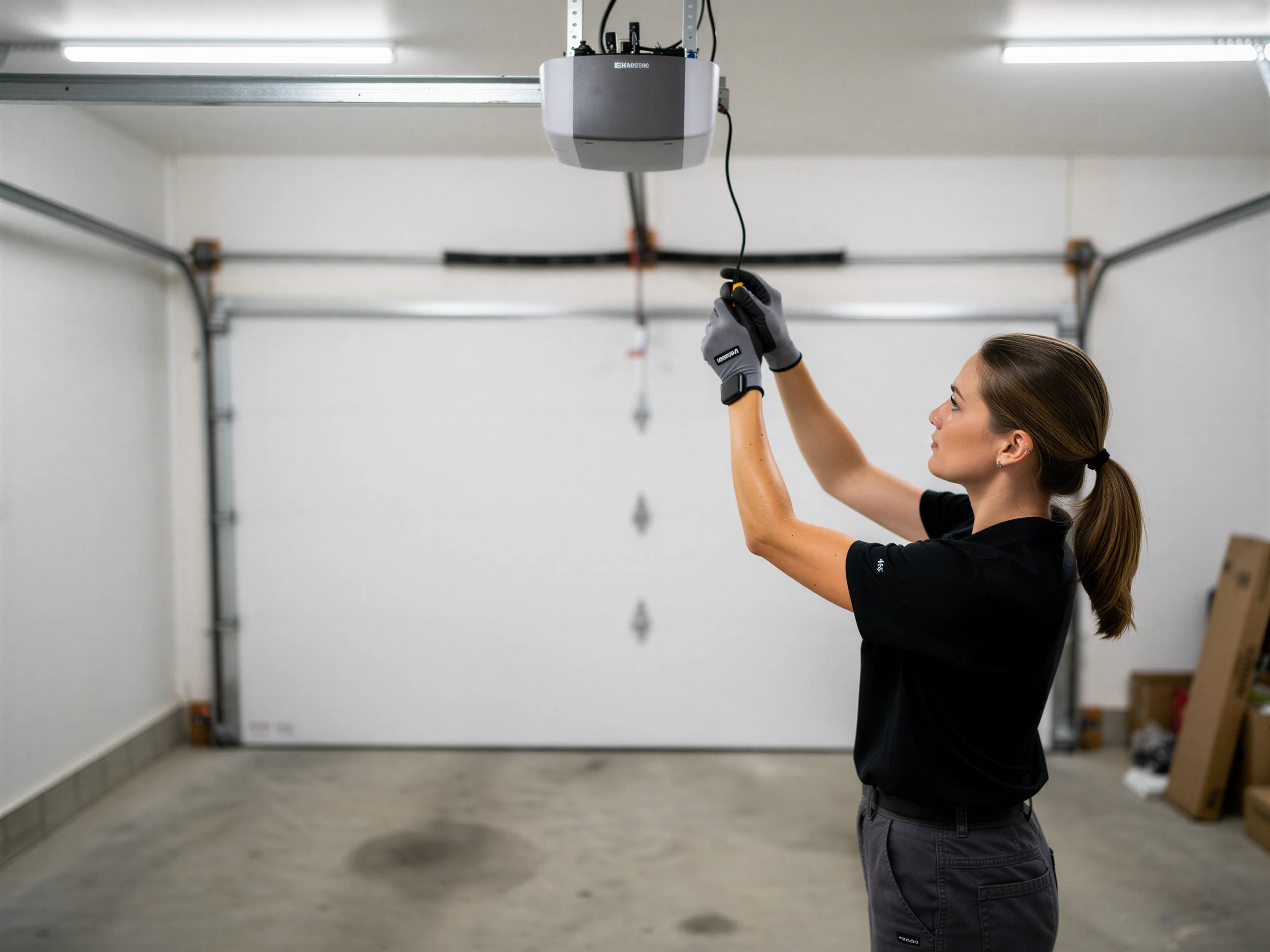
Openers are a mixed bag - some houses still run a chain-drive unit from decades back, and when the logic board goes, we'll tell you plainly if a new opener costs less than hunting down a board for a dead model. We test balance and travel limits before we leave, every time, because a door that closes on the first try but drifts on the fifth wasn't actually fixed.
Getting It Booked In
We run this job from Ventura, about 14 miles out, so a call to Santa Paula gets scheduled rather than squeezed in as a drive-by. That's not a complaint about the distance - it just means we ask a few questions up front (door age, whether it's moving at all, whether the spring is visibly broken) so the truck rolls out with the right parts the first time instead of a guess. If you can send a photo of the spring and track when you call, that alone often tells us whether this is a twenty-minute spring swap or something that needs a second part ordered in. We'd rather confirm that before the drive than after it.
What You Are Seeing
A door that won't lift and makes a loud bang right before it stuck is a broken spring, full stop - on a house from around 1970 that's almost always an original or first-replacement extension spring reaching the end of its cycle count.
Door stalls mid-lift
A door that lifts a few inches on its own and then stalls is usually an opener travel limit that's drifted, not a dead motor. Cables that look frayed or kinked near the bottom roller bracket on an older extension setup are a sign the whole cable run is due, not just the visible section.
Stretched spring, not broken
If the door is heavy to lift by hand and the springs look intact, the balance has probably shifted, which on a door this old is often a stretched spring rather than a broken one - different fix, different cost.
The Cost of This Job
Santa Paula's median household income runs $77,130, noticeably below the $93,554 figure for the wider Ventura service area, and that shows up in the kind of call we get out here - more repairs to keep a working door running, fewer full replacements on a whim. A straightforward spring swap on an extension-spring door is usually the cheapest common repair we do. Cable replacement, roller sets, and opener logic boards run higher depending on parts. We don't quote a flat number sight unseen because a 1970-built door with an unknown repair history can turn up a second problem once we're inside it, and we'd rather tell you that than lowball a number over the phone.
Can You Do This Yourself
Clearing a track, lubricating hinges, and tightening loose hardware are fine to do yourself and won't void anything. Extension springs are not - they're under real tension even when the door's down, and on a door this age the mounting hardware may be original and more brittle than it looks. If the spring's already broken and the door's stuck, leave it stuck and call rather than forcing it by hand; a door that drops while someone's under it is the one job nobody wants to be the story about. If you're not sure whether what you're looking at is a spring, a cable, or a track issue, a photo over the phone usually sorts that out faster than guessing.
Talk to a local pro
Garage door service in Ventura?
Same-day service with honest, upfront quotes.