Parts We Carry
Santa Paula is a town of about 9,417 households, which is a fraction of the roughly 50,105 across the wider service area we cover out of Ventura.
Single-era door mix
That smaller count matters: it means the job mix here leans heavy toward one era of door instead of a spread of eras. Most houses in this part of the service area went up in the 1960s and 70s, and Santa Paula's own median build year lands around 1970 - a touch later than the 1973 median for the broader area, but still squarely in that same window of steel sectional doors, torsion springs sized for the lighter panels of the time, and openers that have usually been swapped out once or twice already by now.
Era-matched hardware ratings
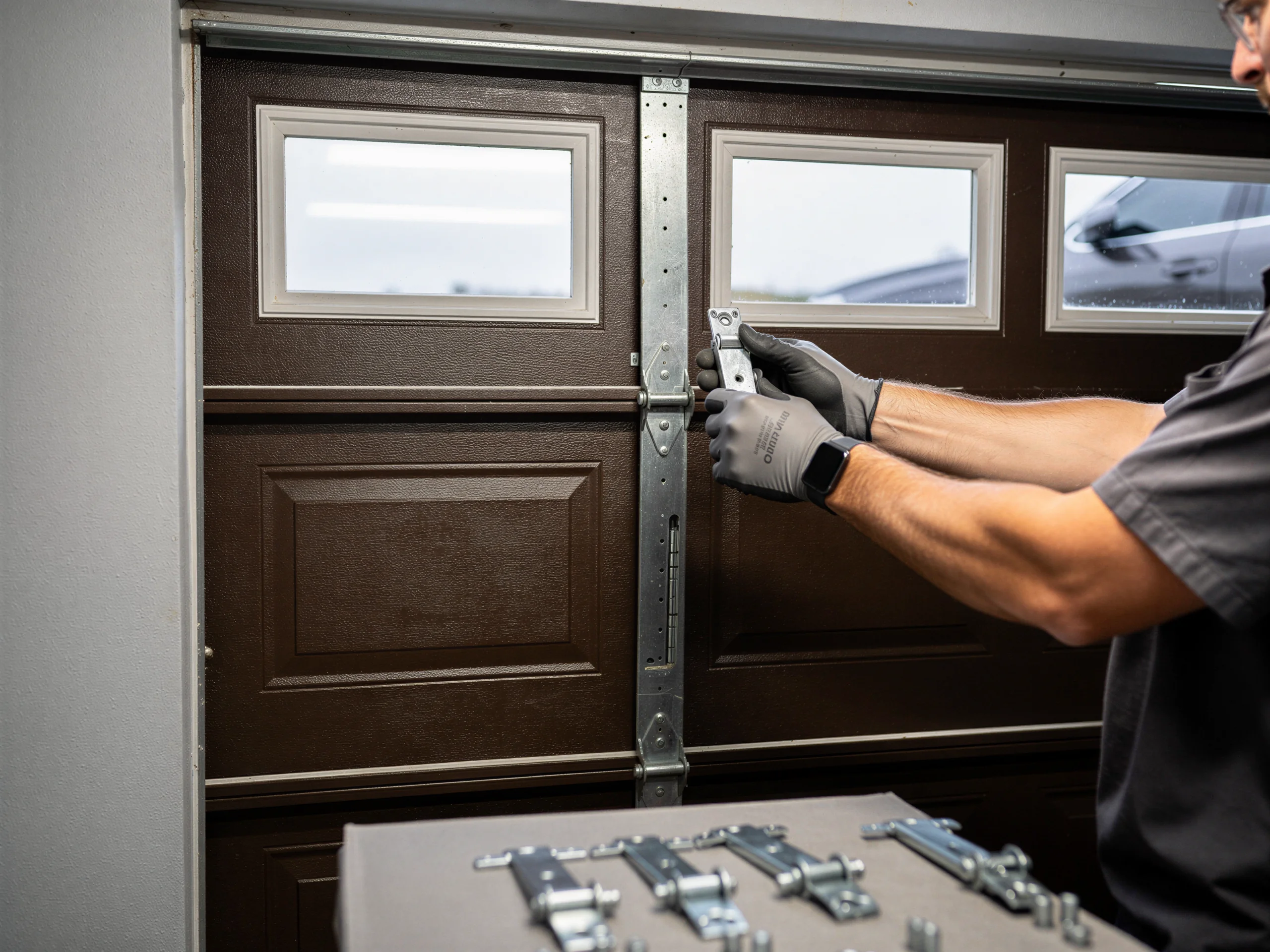
We carry torsion springs in the wind and cycle ratings that era of door actually used, standard-width rollers and hinges for the panel gauges from that period, and the drive gears and sprockets that wear out on openers installed as a second or third replacement since the house was built.
Discontinued bracket notice
We don't stock every obsolete bracket from every manufacturer that's come and gone since 1970 - if your door has a part from a line that's been discontinued for a decade, we tell you that up front and talk about whether replacement makes more sense than hunting for a match.
How We Fix It
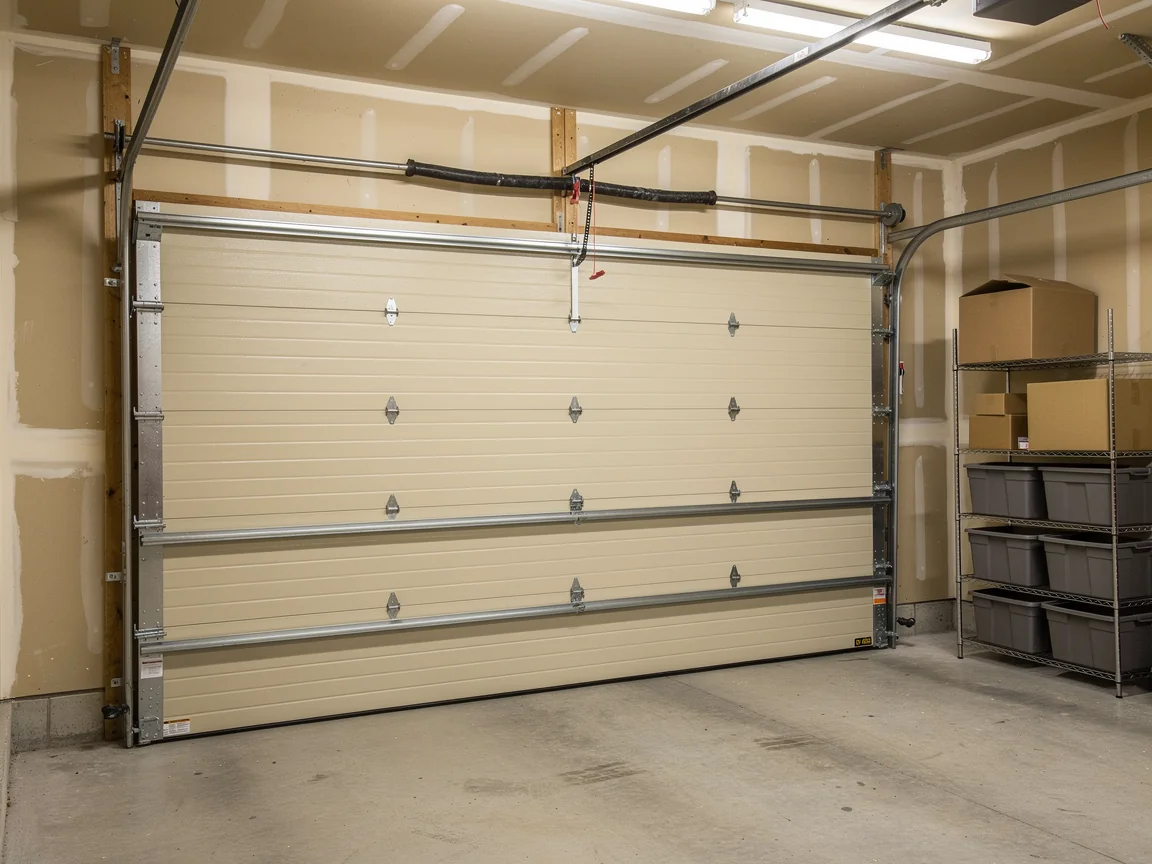
On a 1970s-era door, a service call usually starts with the spring and the track before anything else, because those are the parts that take the daily cycling and show wear first.
Full inspection sequence
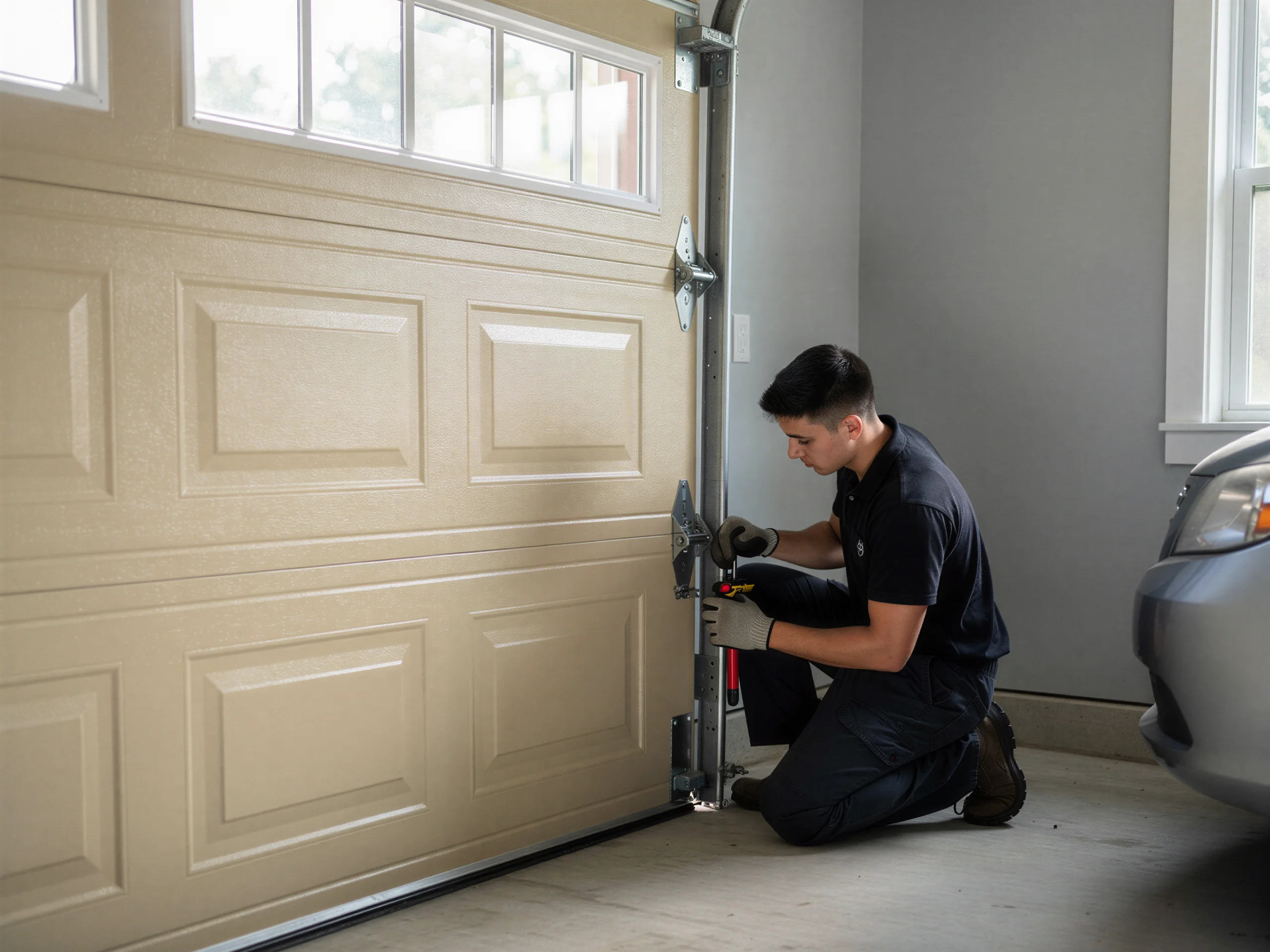
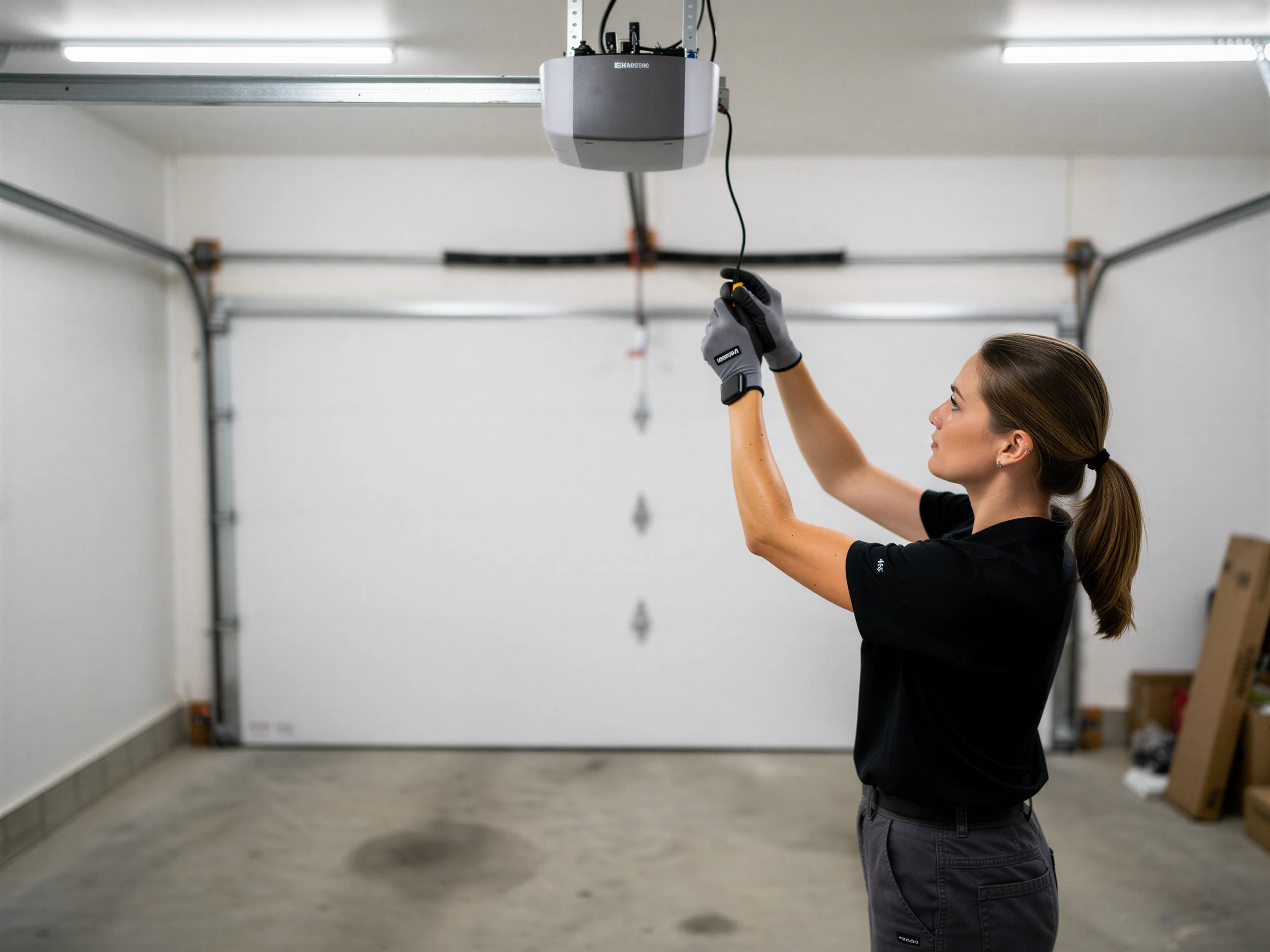
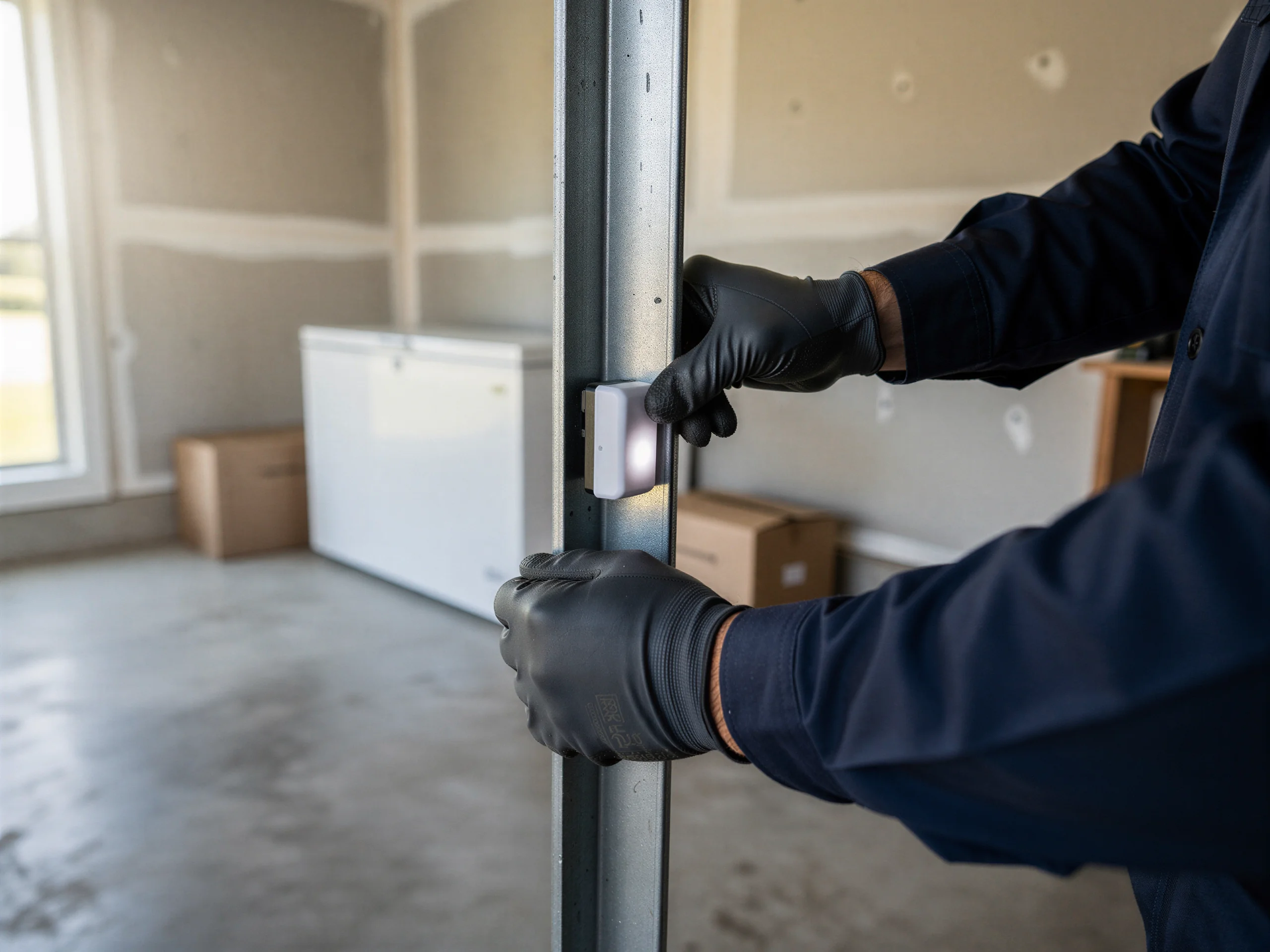
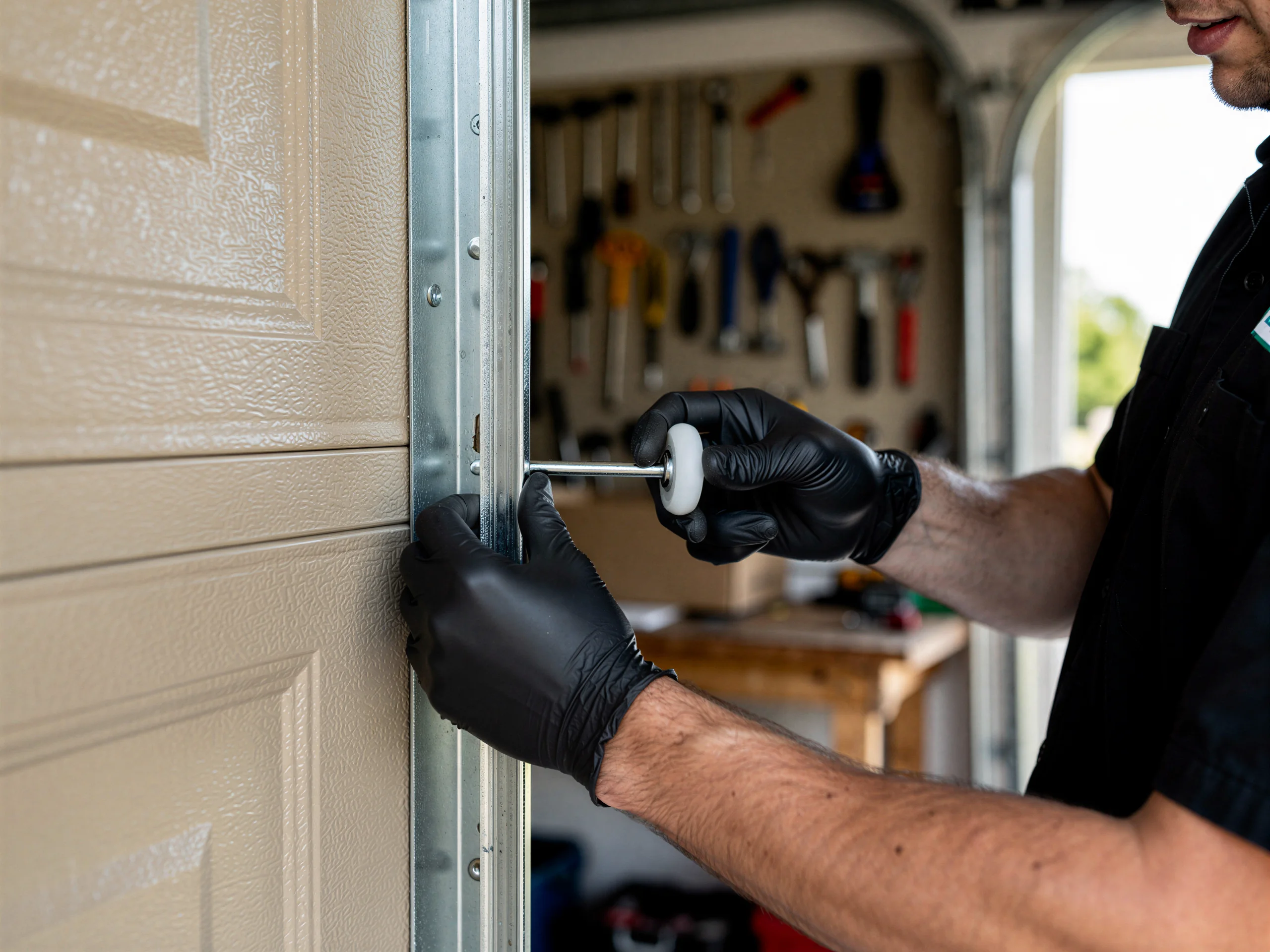
We pull the door off its auto-reverse safety check, inspect the torsion spring for rust and stretch, check track alignment since decades of settling can throw it off by enough to bind a roller, and test the opener's force settings, which get left wrong more often than not on older installs.
Localized corrosion spots
The mild temperate climate here doesn't put the same strain on hardware that you'd see from freeze-thaw cycles or coastal salt air further out, so corrosion tends to be slower and more localized - usually at the bottom bracket or wherever water sits after rain, not across the whole track.
Repairable without tear-out
That's one reason doors from this build era are often still repairable rather than needing a full tear-out, provided the spring and cable system wasn't modified with mismatched parts somewhere along the way.
Getting It Booked In
We run this out of Ventura, about 14 miles up the road, so Santa Paula calls get scheduled the same way any other stop on the route does - we don't keep a separate crew or depot in town. What that means in practice is we batch the trip, so it helps to know roughly what's wrong (door won't open, spring snapped, opener dead) when you call, so we bring the right stock out the first time instead of a return visit.
What You Are Seeing
If your door is loud on the way up, slow to reverse, or the opener runs but the door doesn't move, that's consistent with a torsion spring near the end of its cycle life, which is common on doors installed when the house was built around 1970 and never upgraded.
Drifting open door
A door that drifts open a few inches on its own, or feels heavier than it should when you lift it manually, almost always means the spring has lost tension - this is not a DIY lift-and-check situation, since a torsion spring under load can cause real injury.
Sagging bottom corners
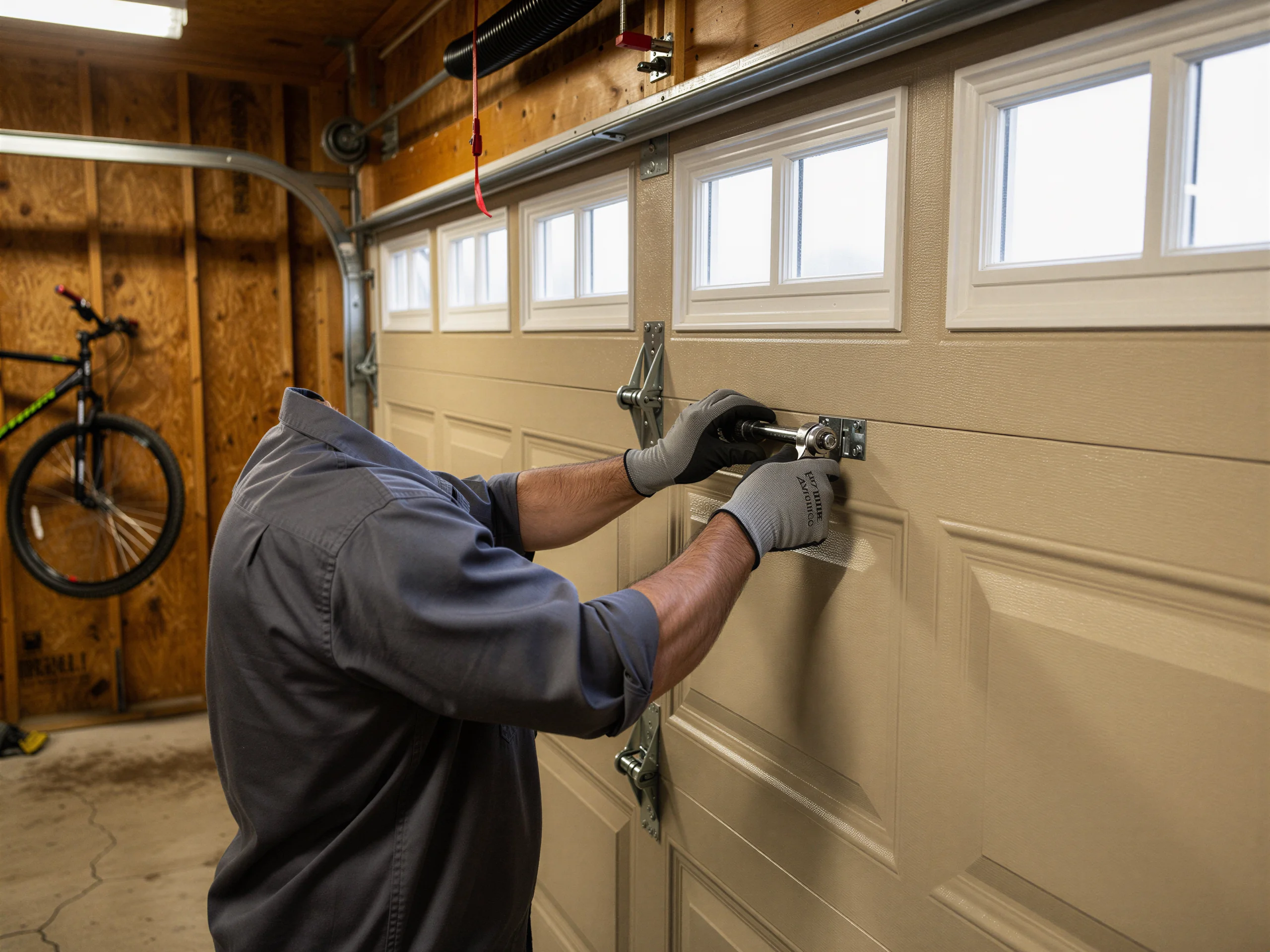
Sagging at the bottom corner of a panel, especially after a stretch of wet weather, usually points to a bracket or hinge working loose rather than a structural problem with the panel itself.
Stress over corrosion
Given the mild climate here, we don't see the kind of rapid hardware corrosion that colder or coastal towns deal with, so if a Santa Paula door is failing early, it's more often a stress or wear issue than a weather one.
The Cost of This Job
We don't have a posted price list we can quote here, and jobs vary enough - spring size, door weight, whether the opener needs replacing too - that a number without seeing the door would be a guess. What we can say is that Santa Paula's median household income runs around $77,130, noticeably below the roughly $93,554 median across the wider service area, and that's part of why we always walk through repair versus replace before recommending the bigger job. On a 1970-era door, a spring and roller service is frequently the right call instead of a full replacement, and we say so when it's true.
Can You Do This Yourself
Lubricating hinges and rollers, tightening loose bolts on the track, and keeping the photo-eye sensors clean are all fine to do yourself and worth doing regularly, especially on a door this age. Torsion spring replacement is not - the spring is wound under enough tension to cause serious injury, and on a door built around 1970 the spring size and winding cone may not match what's sold off the shelf today, which is exactly the kind of mismatch that causes a DIY job to fail or hurt someone. If the door is more than a cosmetic fix, call it in rather than guess.
Talk to a local pro
Garage door service in Ventura?
Same-day service with honest, upfront quotes.