The Complications
Most houses in Fillmore went up around 1975, give or take a few years either side, and a surprising number of them are still running whatever opener came with the house.
Pre-sensor opener safety
A chain-drive unit from that era was built to last, and it did, but it was also built before photoelectric safety sensors were required on new openers. If your opener has never been swapped, there's a real chance it closes on anything in its path without stopping, because the eye that would catch a kid's bike or a trash can was never there to begin with.
Basic wall button wiring
The other thing original to a 1975 install is the wiring and the wall button, usually a basic switch wired straight to the motor, no keypad, no rolling code, no app.
Original unit wear
None of that is dangerous by itself, but it tells you the whole unit is original, which means the gears, the drive screw or chain, and the motor bearings are all the same age as the house. When one piece on a unit that old fails, the rest usually isn't far behind it.
Parts We Carry
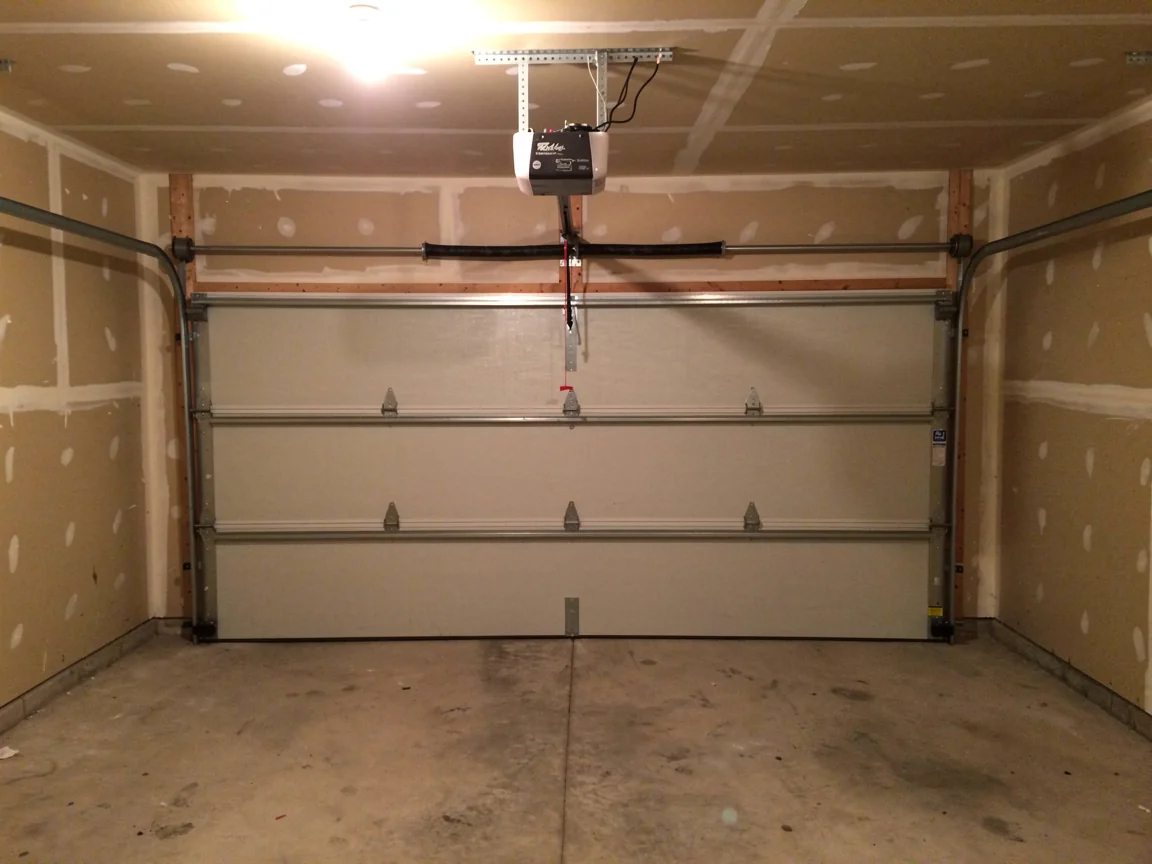
We carry belt-drive and chain-drive openers in the ranges that cover a single garage door or a double, along with the battery backup units that matter in a town where storms can still knock the power out for a stretch even in a mild coastal climate.
Controls and photo-eyes
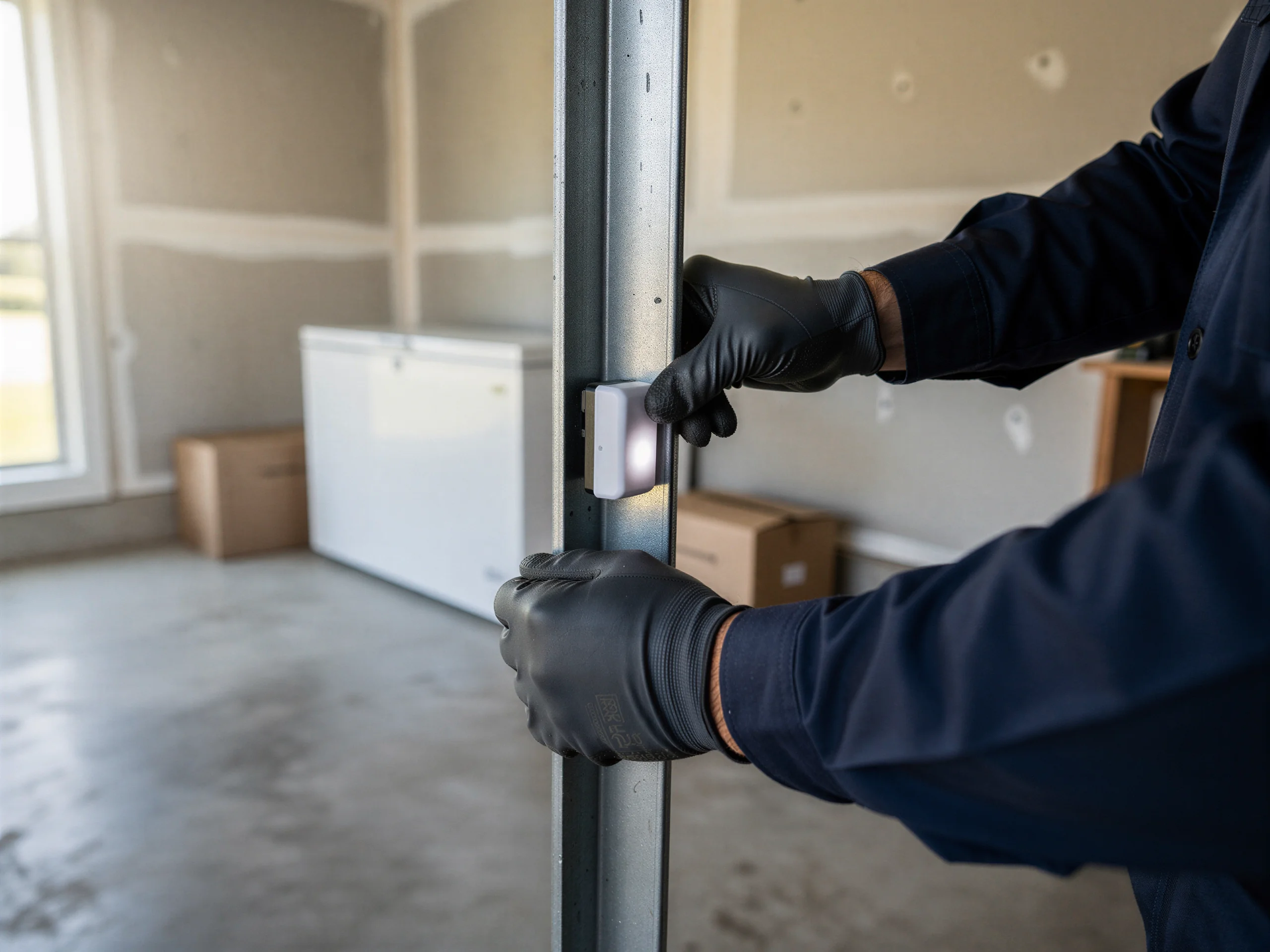
We stock the wall controls, remotes, and keypads that pair with the units we install, plus the photo-eye safety sensors and reinforced brackets that a lot of older Fillmore garages never had in the first place. What we don't carry on the truck is a part for every opener ever made.
Discontinued brand parts
If your home still has a decades-old brand that's since gone out of business, we may need to order a specific gear kit or circuit board, and that can mean a short wait rather than a same-visit fix.
Start-to-finish hardware
For most jobs in a house from the 1975 era, though, we're putting in new hardware start to finish rather than hunting for a part that matches what's already there.
Can You Do This Yourself
A new opener kit from a hardware store comes with instructions that make it look like an afternoon job, and for some people it is.
Rebuilding mounting bracket
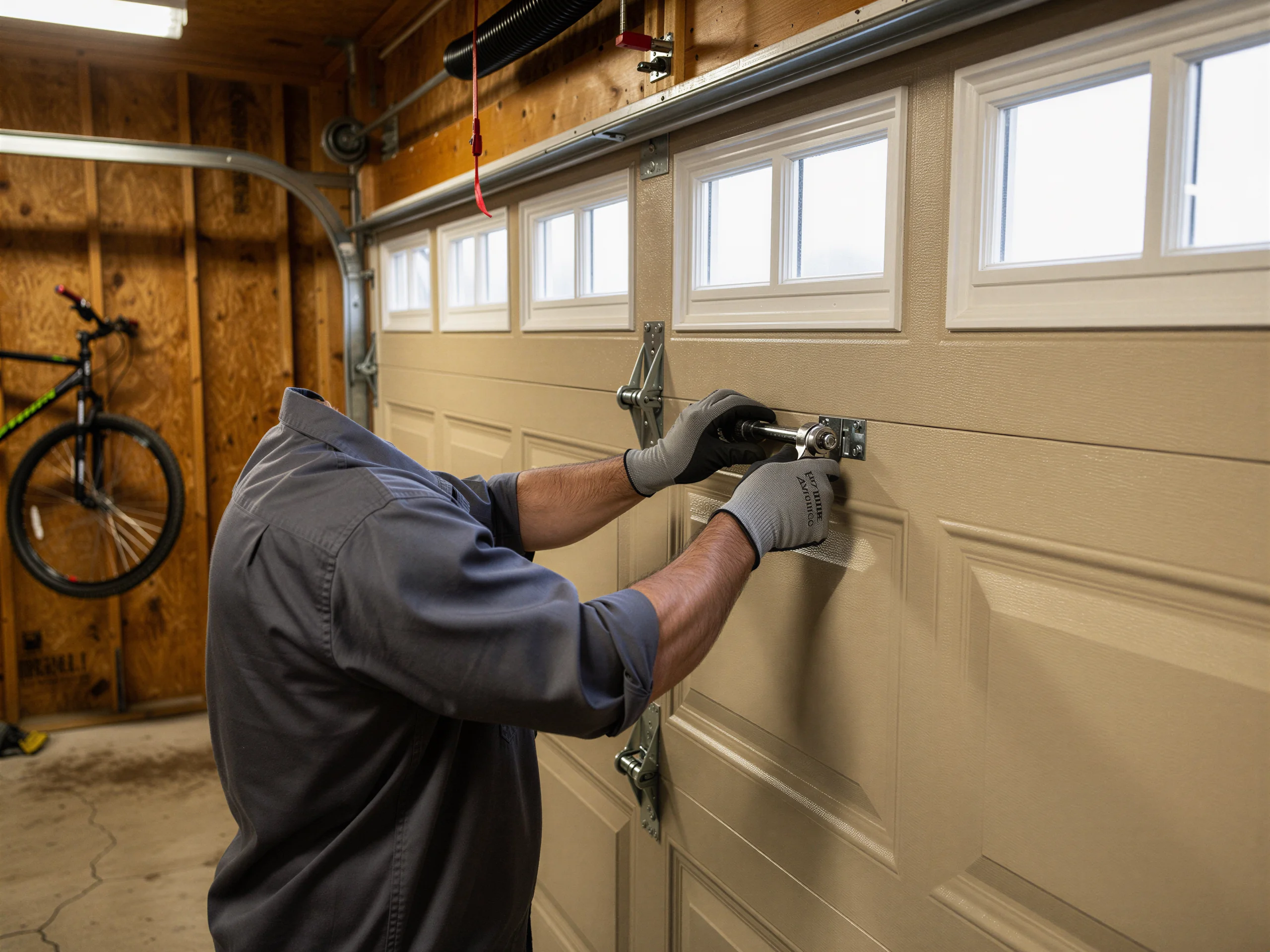
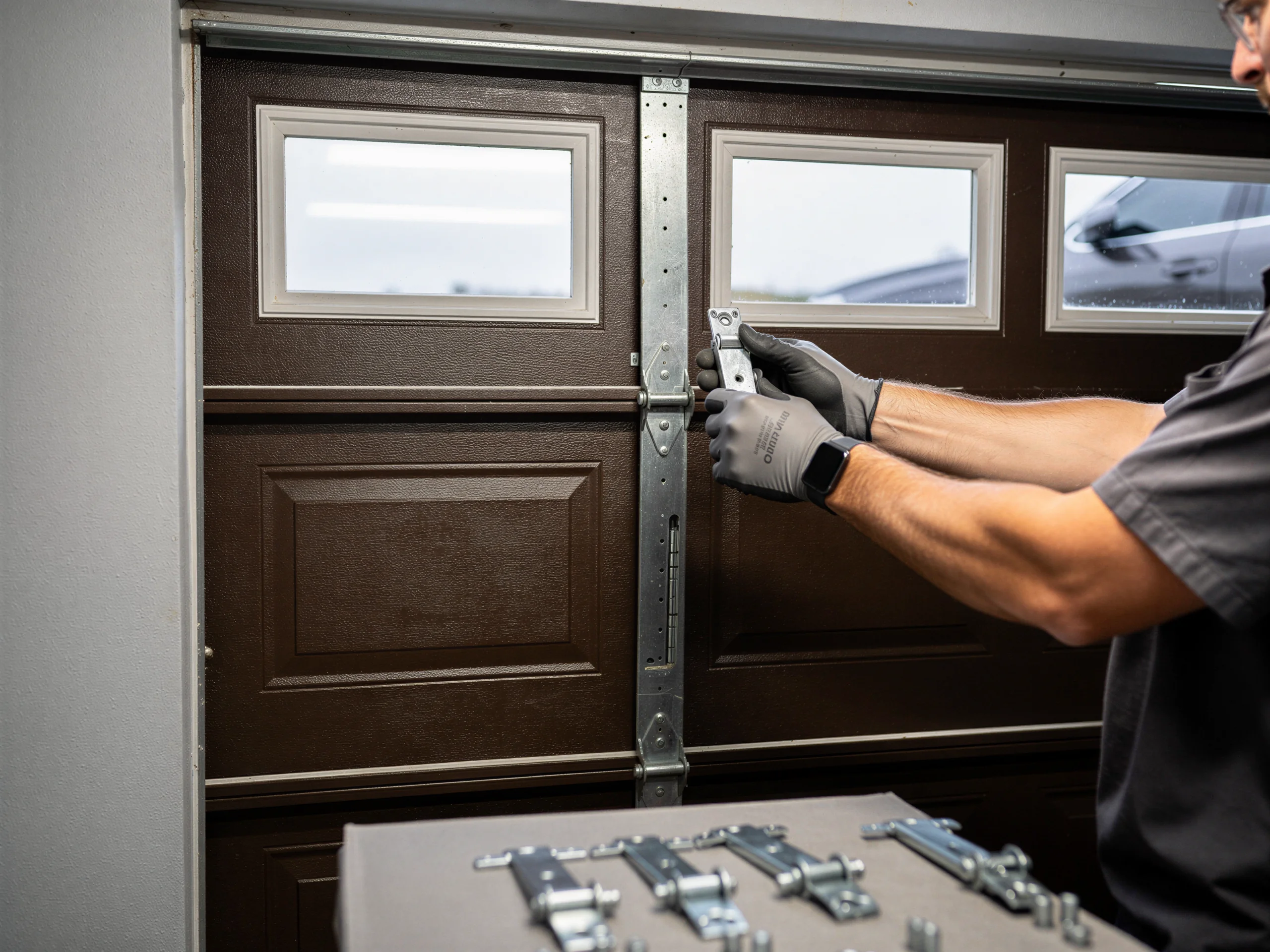
But if your garage still has the original 1975-era track and header bracket, you're not just hanging a motor, you're often rebuilding the mounting point it attaches to, and that bracket has to hold real weight under tension.
Travel limit mistakes
Get the travel limits wrong and the door either won't seal against the slab or it'll keep reversing on you. Get the safety sensor height wrong and you've got an opener that looks fine until the day it closes on something it shouldn't.
Failure mode risks
We're not going to tell you it can't be done without a pro. We're telling you that on a house this age, there's usually more involved than the box suggests, and the failure mode isn't a door that doesn't open, it's a door that doesn't stop.
Getting It Booked In
We run out of Ventura, and Fillmore is about 23 miles out, so this isn't a job we can swing by for on short notice the way we might for a street closer to the shop. Book the visit, and we'll plan the drive around it rather than squeezing it between closer calls. Because of that distance, it's worth telling us up front what you're working with, the brand on the old unit if you can read it, whether it's chain or belt, one door or two, so we come out with the right opener already on the truck instead of making a second trip for a part. We'd rather ask the right questions on the phone than show up unprepared after a 23-mile drive.
How We Fix It
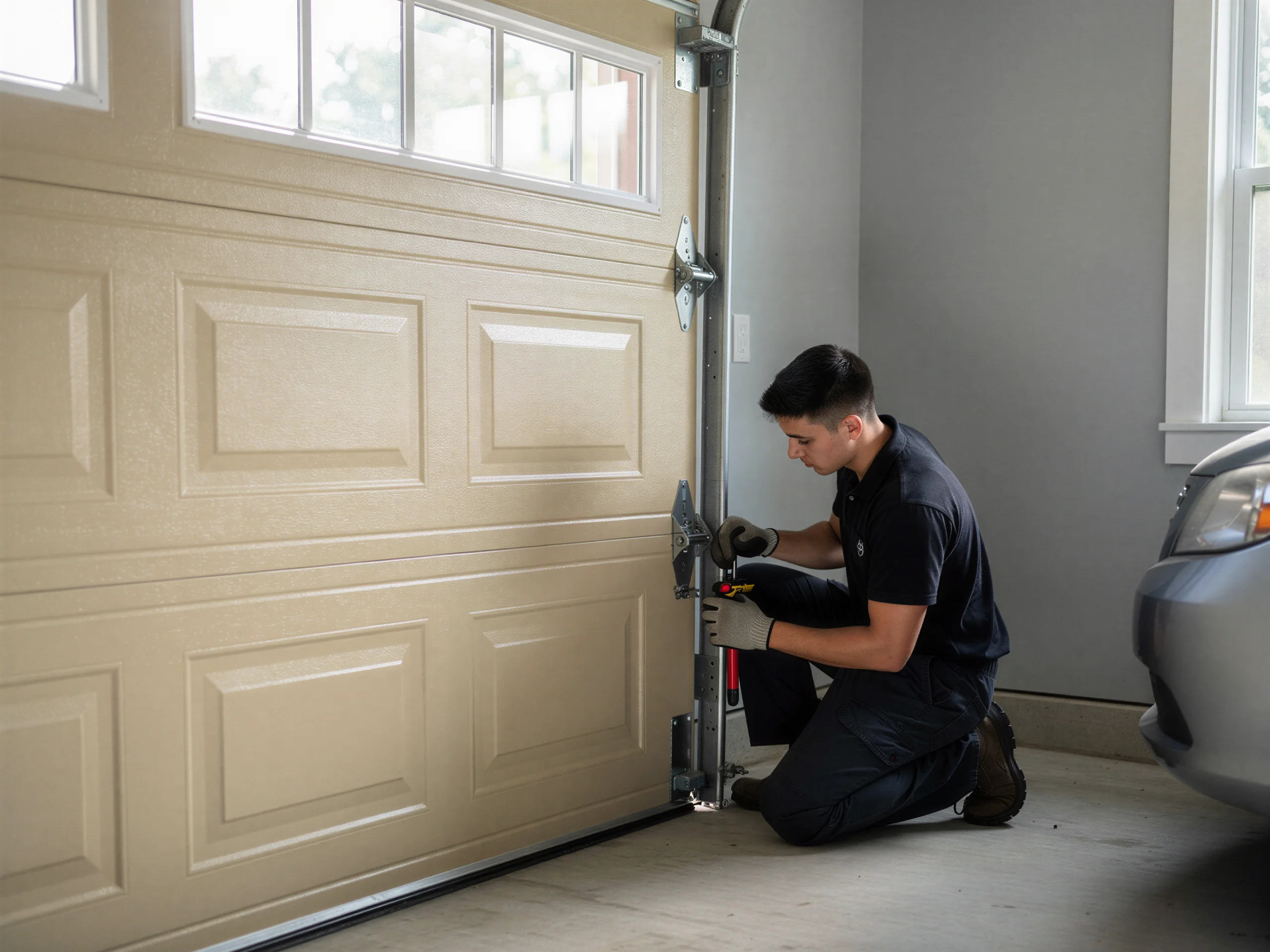
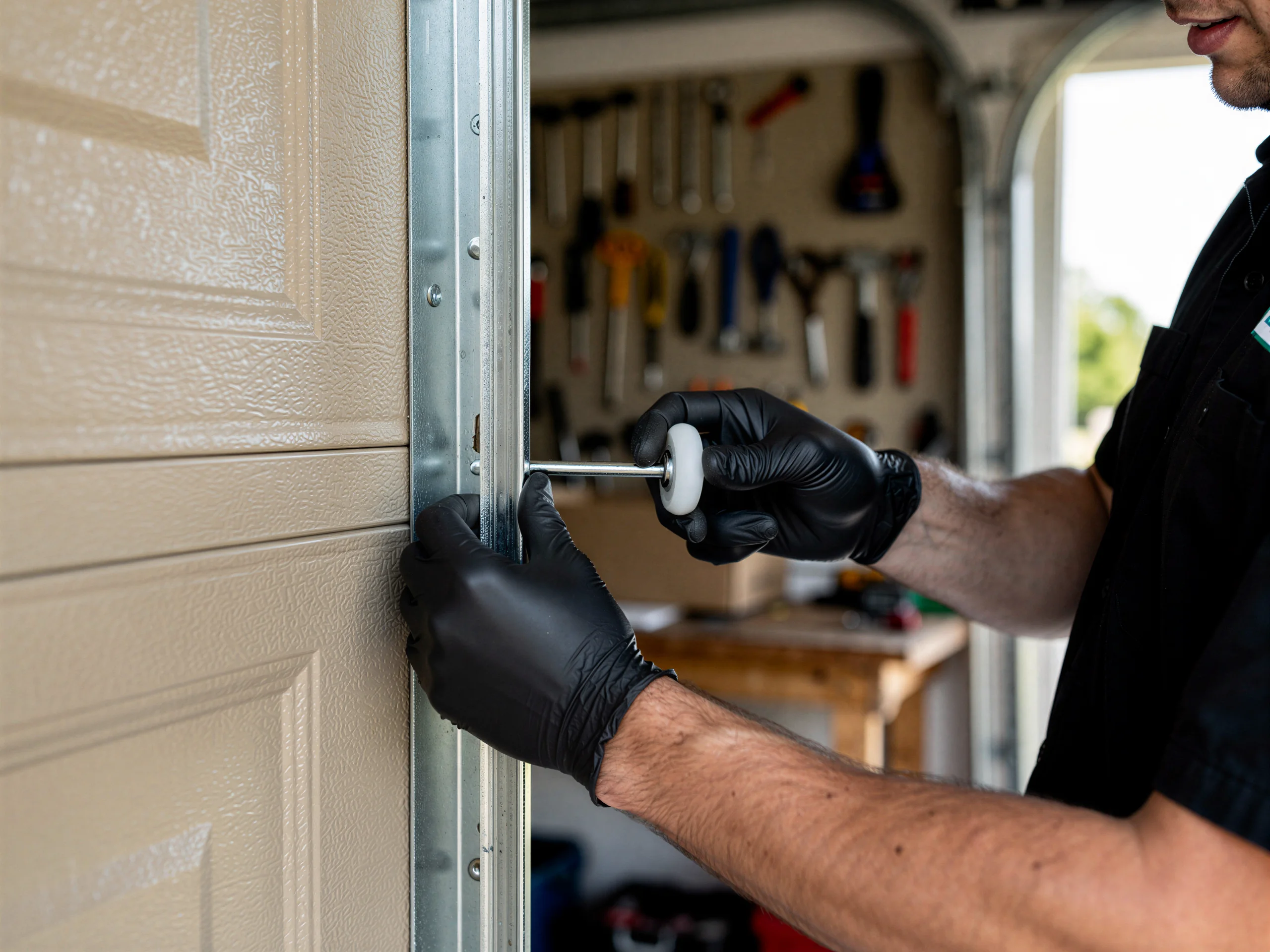
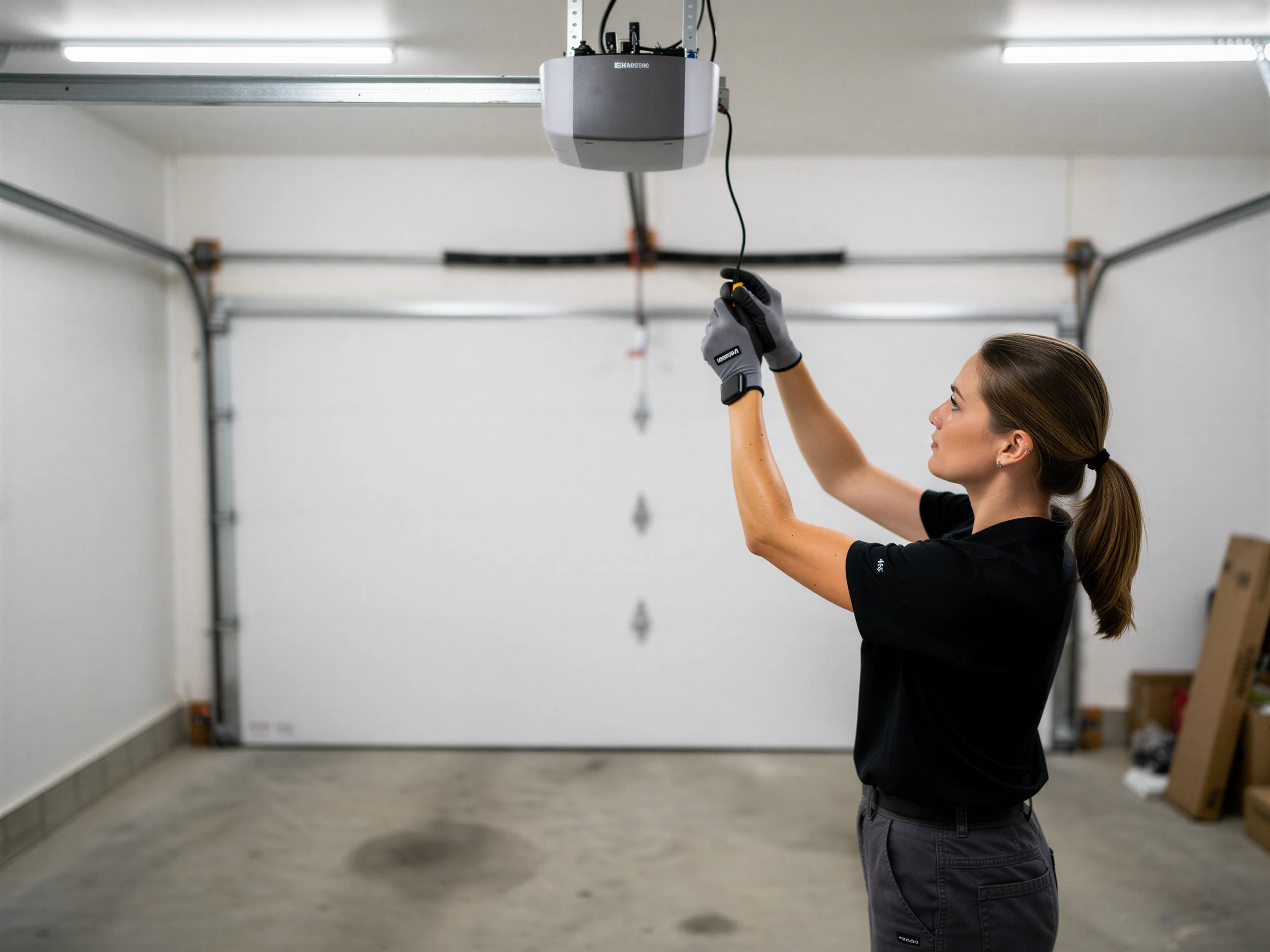
We pull the old motor head, the rail, and the trolley, and we check the bracket it was all hanging from before anything new goes up, because on a 1975-era garage that bracket has usually never been touched. If it's rusted, cracked, or just undersized for a new unit, we reinforce or replace it rather than bolt a new opener to old lumber and hope. Then we run the new rail, mount the motor, wire in the wall control and keypad, and set the travel limits and force settings so the door closes fully and reverses the instant it meets resistance. Last step is the safety sensors, mounted low and aimed so they actually cross the opening, which a lot of original installs from that era skipped entirely. We test the door open and closed a half dozen times before we call it done, and we haul away the old unit so you're not stuck finding somewhere to put it.
Talk to a local pro
Garage door service in Ventura?
Same-day service with honest, upfront quotes.