The Complications
The call we get most from Ojai isn't a door that won't open - it's a door that opens unevenly, drags on one side, or slams the last six inches on the way down.
Uneven spring tension
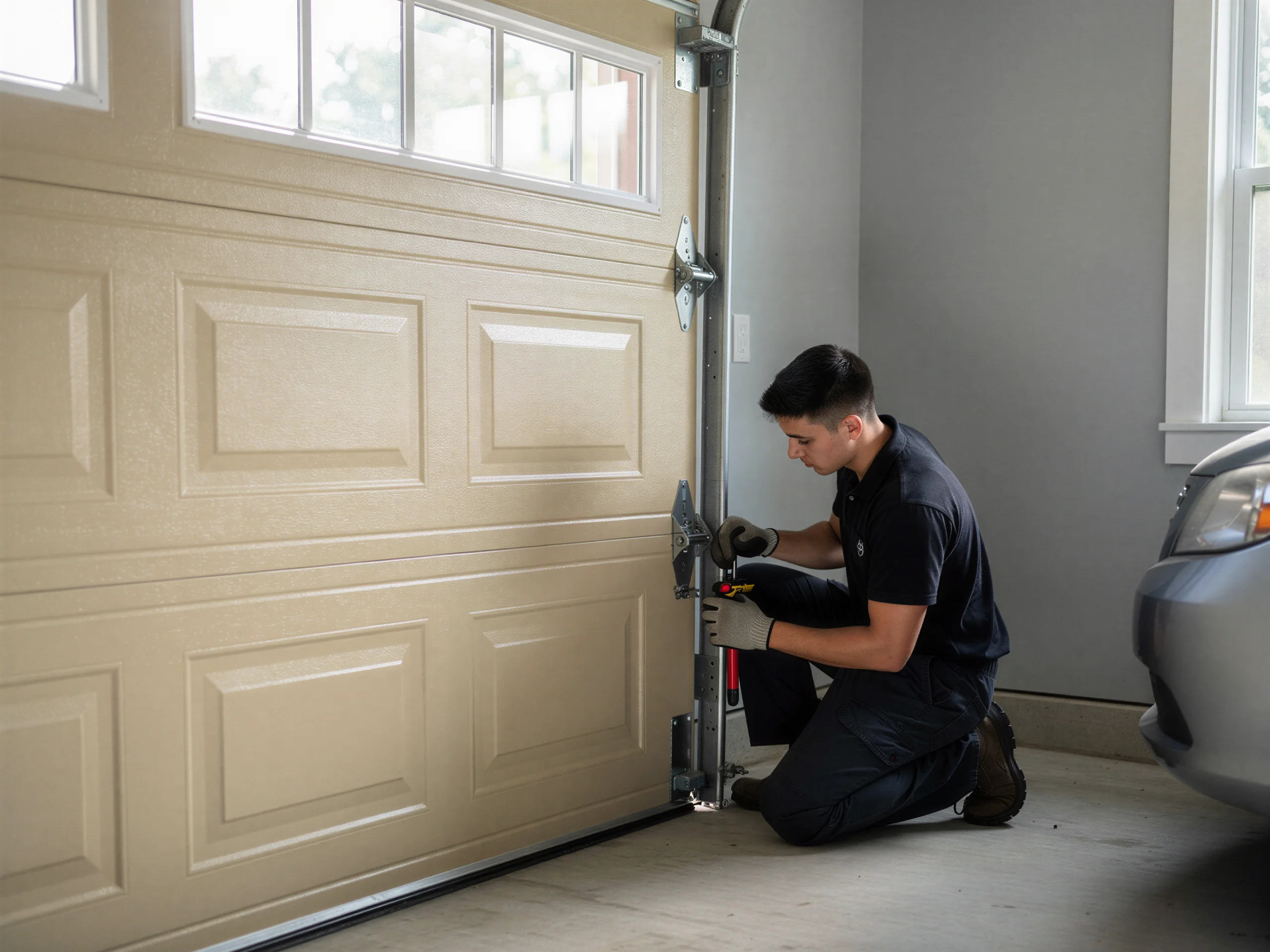
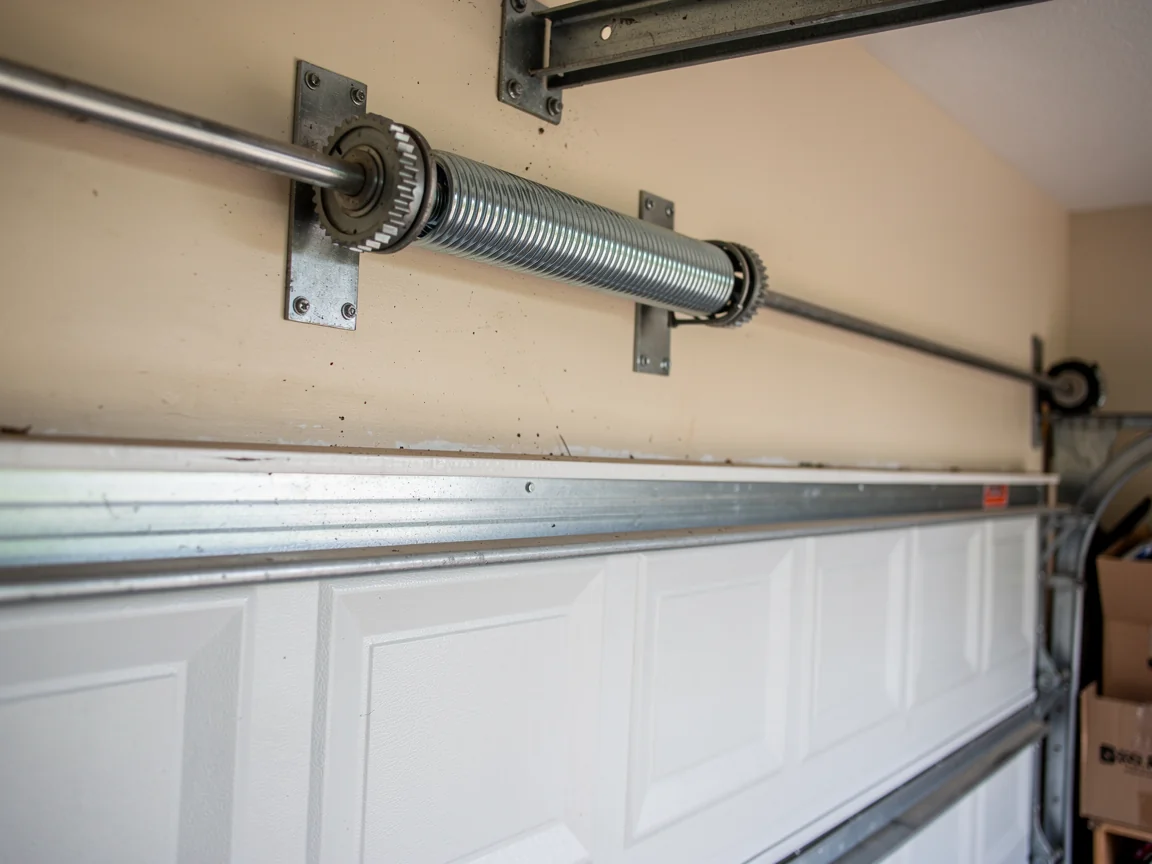
That's a torsion spring losing tension unevenly, or a cable stretched past its life, and it shows up more here than in newer parts of the service area because of what's actually on these houses. Median build year for homes in this pocket is 1969, which puts a lot of original garage hardware well past the point where parts wear out quietly instead of all at once.
Nylon-less steel rollers
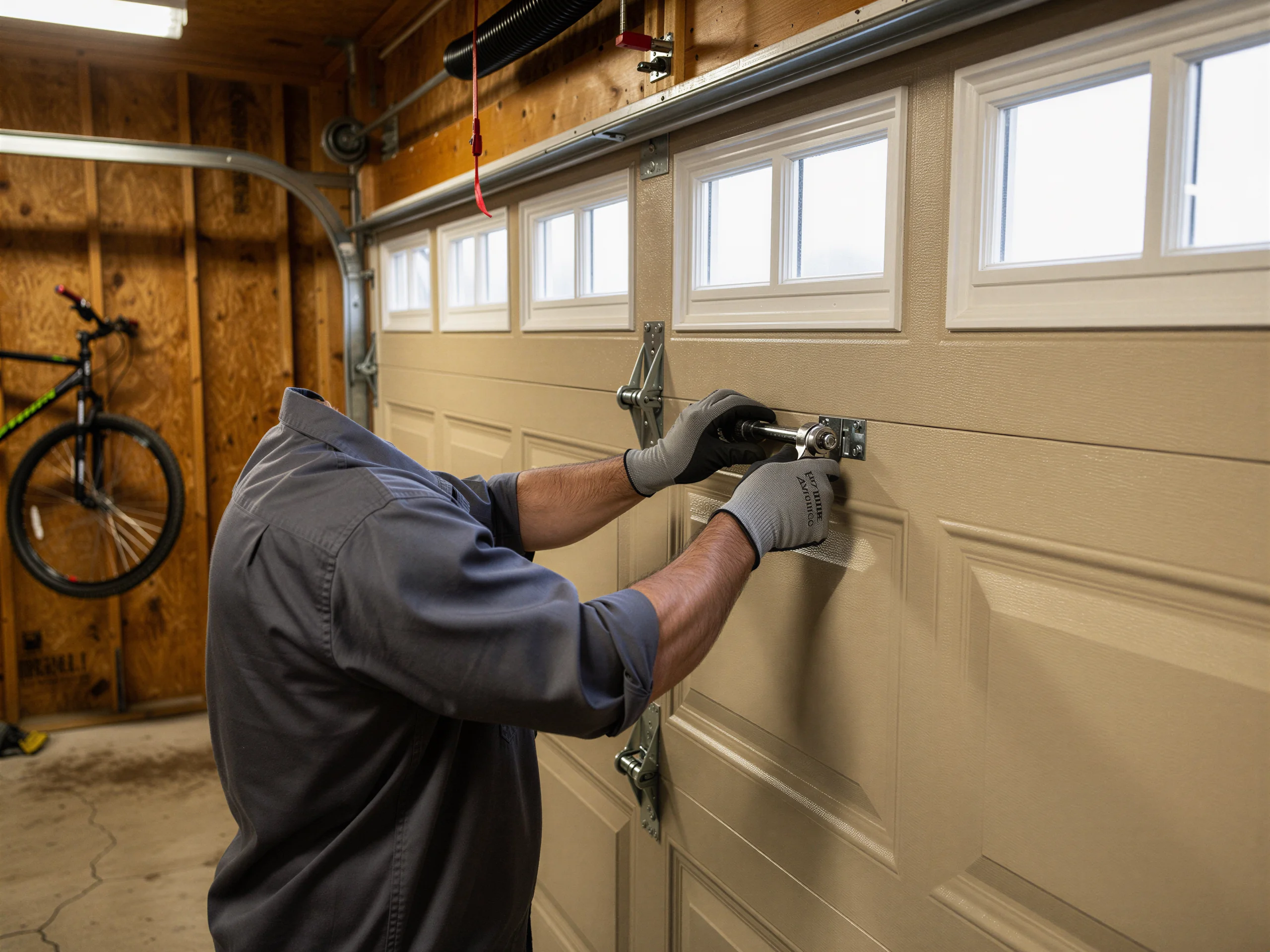
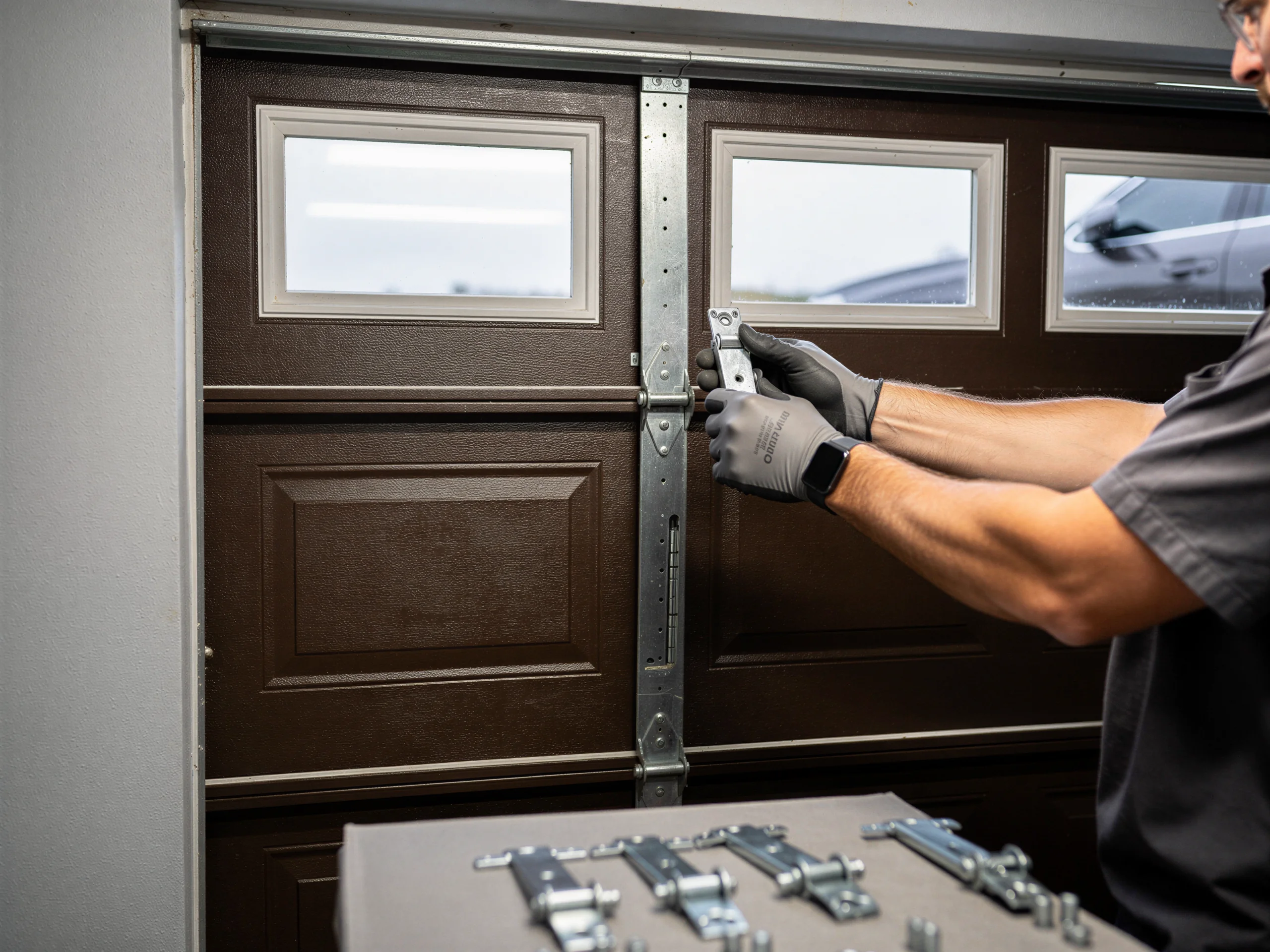
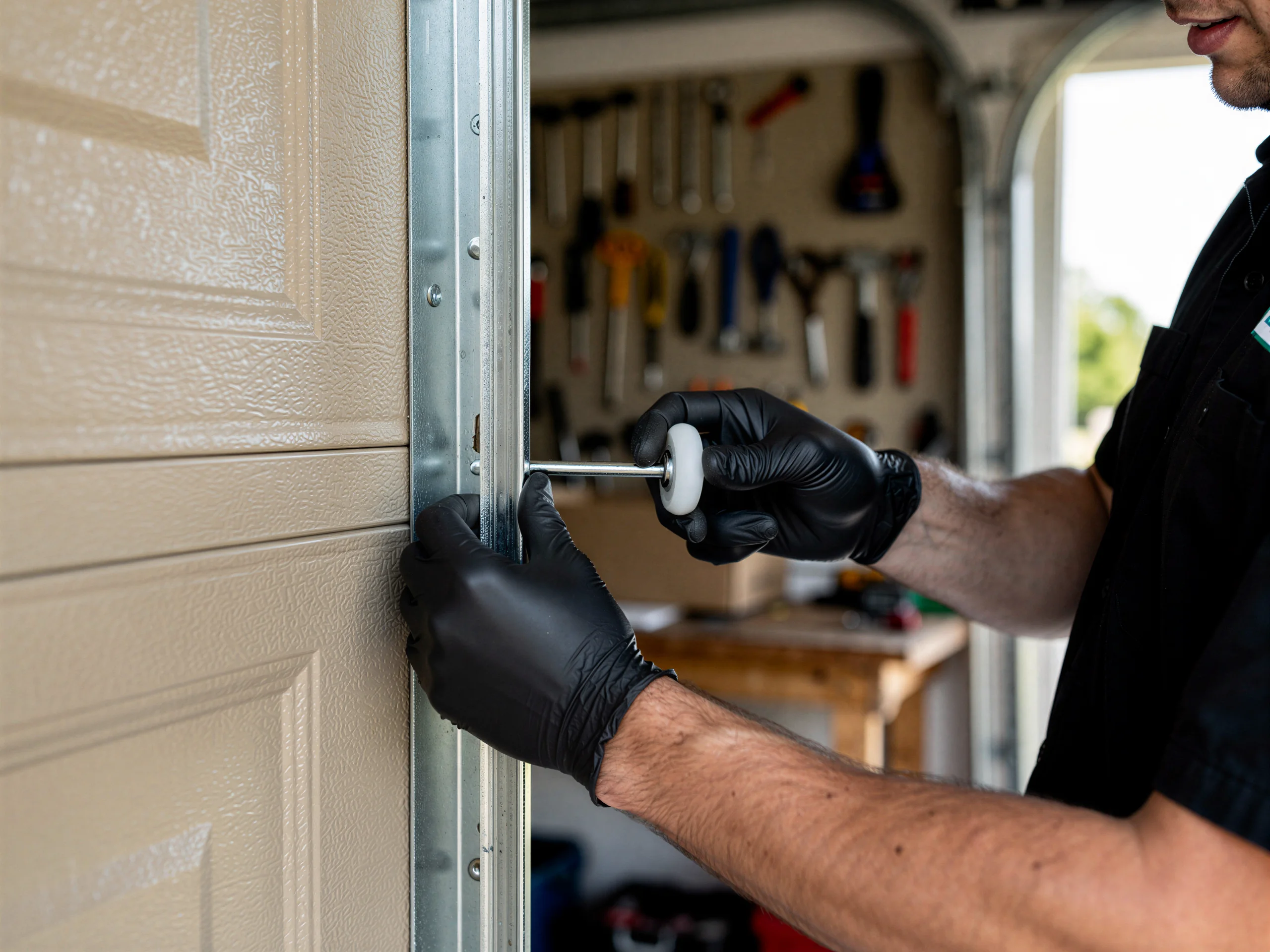
A spring rated for a certain number of cycles doesn't fail on a schedule - it fails when it fails, and on a door that old, that's usually now. Rollers from that era are often steel-on-steel with no nylon sleeve, which means more noise and more wear on the track itself, not just the roller. The other complication is scale.
Smaller Ojai volume
Ojai has roughly 3,029 households, which is a fraction of what's spread across the wider area we cover. That's not a knock on the town - it just means the volume of 1960s-and-70s-era doors needing this specific kind of work is smaller here than in the denser tracts closer to Ventura, so a tech coming out isn't guessing at what they'll find.
Why This Fails Locally
A door built or installed around 1969 was almost certainly set up with a torsion spring sized for a door and insulation package that's lighter than what's often on it now - storm weight added, insulated panels swapped in over the years, or a second layer bolted on for the sake of a quieter close. When the spring is undersized for the door's current weight, it fails early and it fails hard, and the opener motor takes the strain in the meantime, which is why we often find a worn motor gear alongside a dead spring on the same call.
The mild temperate climate here doesn't create the kind of swelling, cracking, or rust problems you'd see in a harsher climate band, so wood rot and steel corrosion aren't the main drivers of failure in this area. The fault is almost always mechanical fatigue on original-era hardware, not weather damage. That distinction matters because it changes the fix: this isn't a seal-and-paint job, it's spring, cable, and roller work on a door that's been doing its job quietly for five decades and is finally asking for attention.
What You Are Seeing
If your door is from the 1969-era stock common in Ojai, a few things tend to show up together. The door feels heavier than it should when you try to lift it by hand with the opener disengaged - that's the spring telling you it's lost tension.
Bang and reversal signs
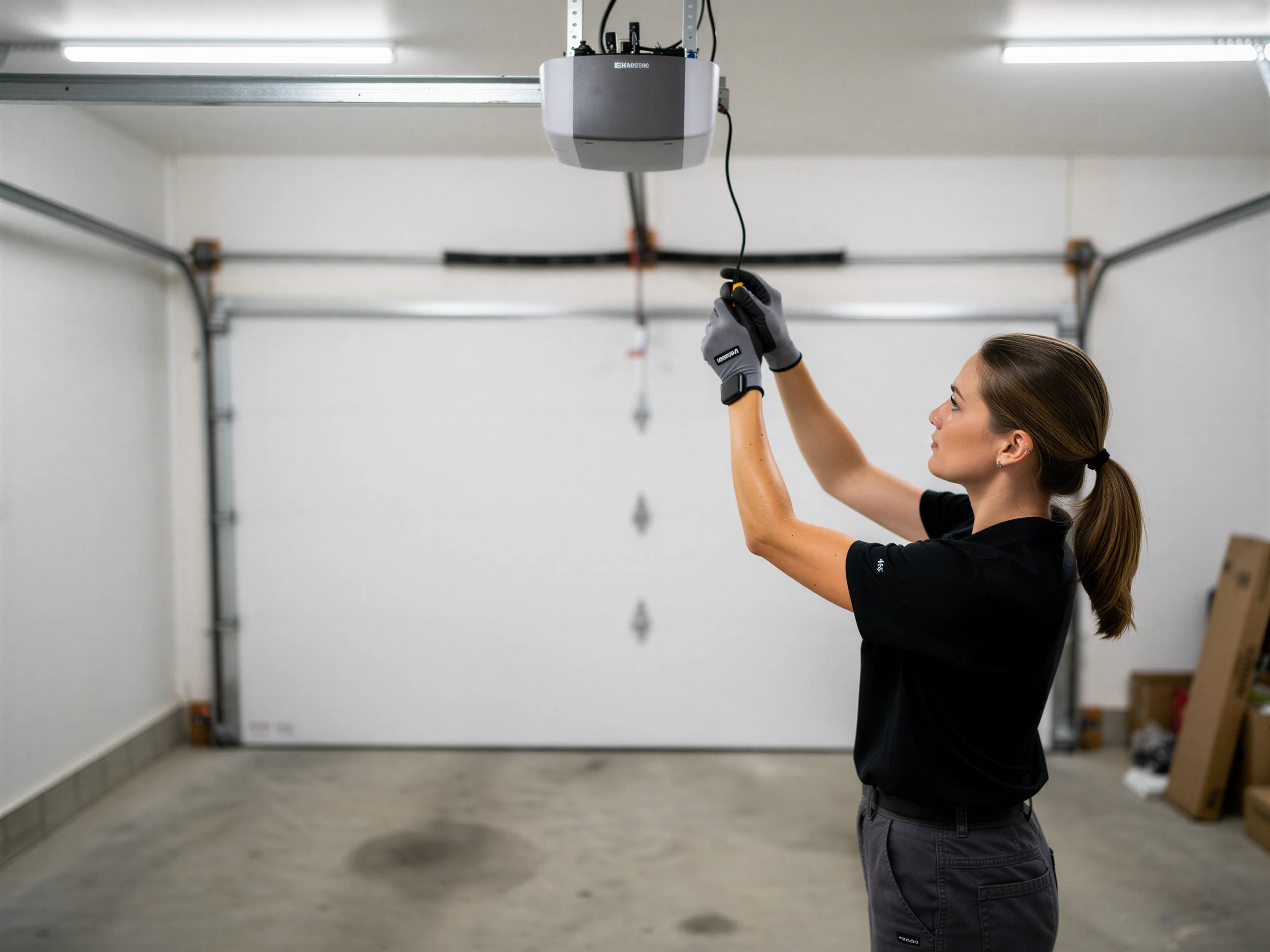
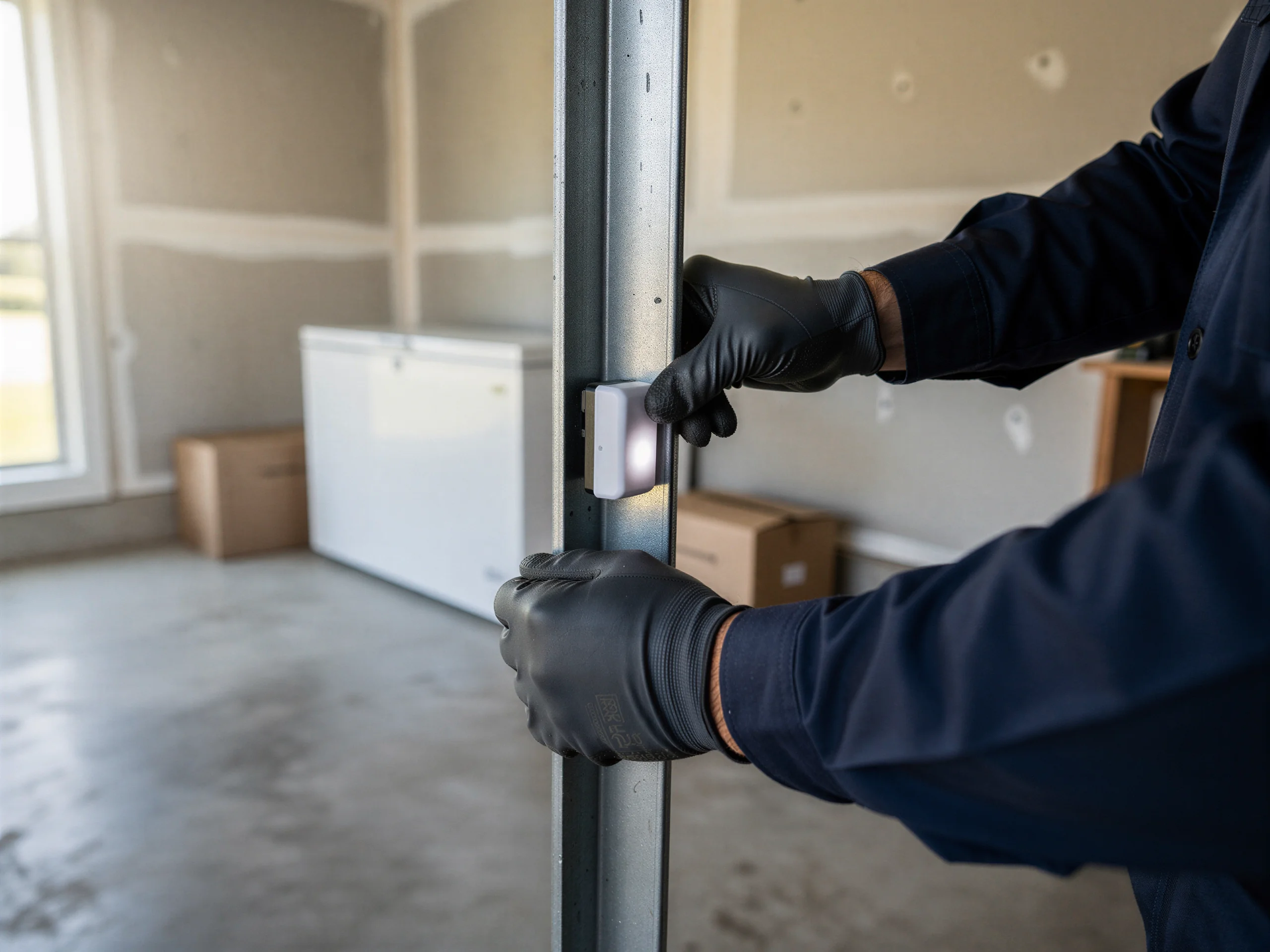
You hear a loud bang from the garage, often mistaken for something falling, which is usually a torsion spring snapping under load. The door reverses partway through closing without an obvious obstruction, which points to worn cables or a sensor that's drifted out of alignment over the years.
Clunking steel rollers
Rollers on original hardware tend to be the steel kind, and you'll hear them before you see them - a grinding or clunking as the door travels, especially at the top and bottom of the track where wear concentrates.
Hand-testing spring danger
None of this is an emergency in the way a fire is, but a spring under tension that's about to go is not something to keep testing by hand.
How Long It Takes
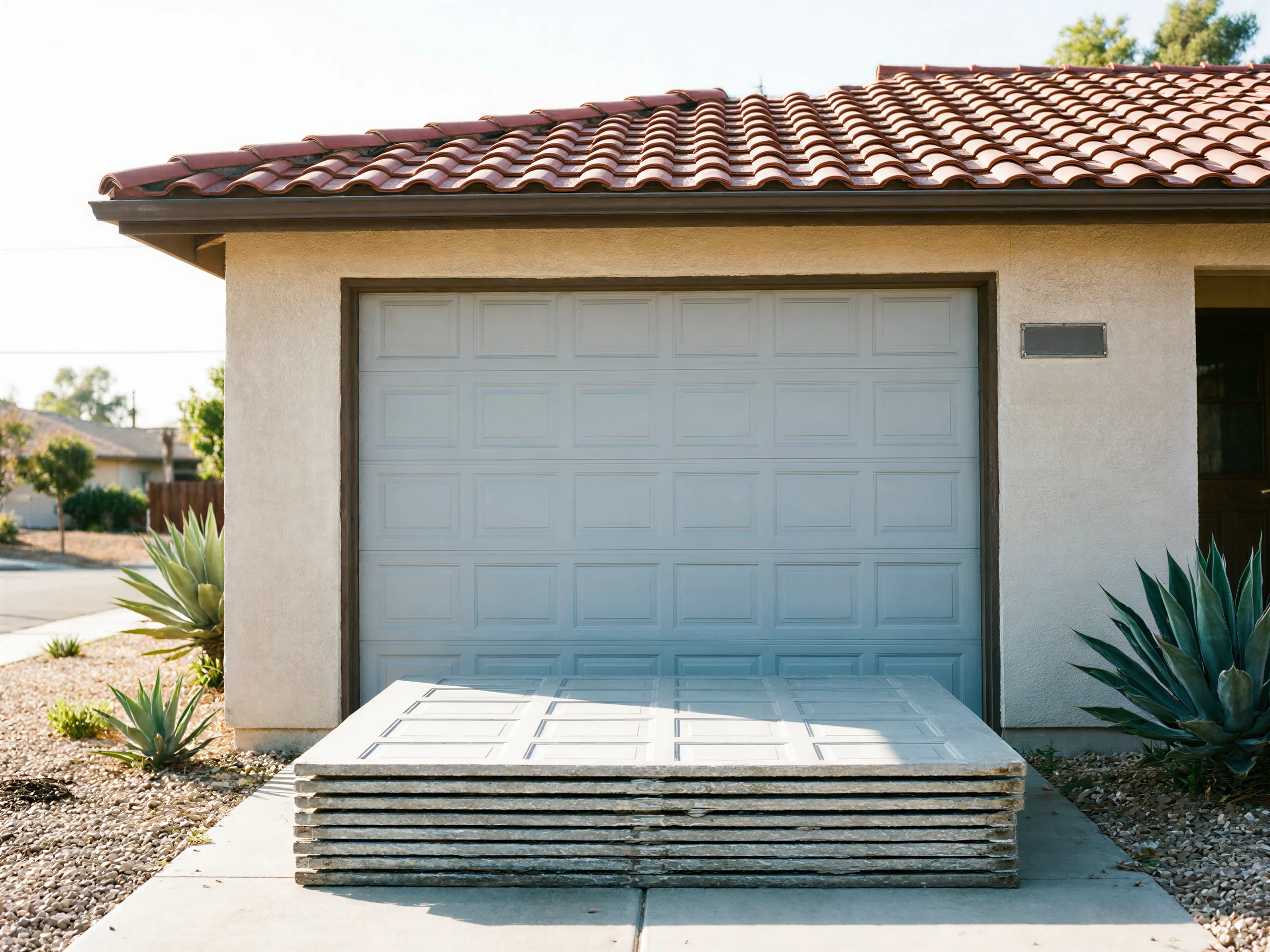
Most spring and cable repairs on a single door are a same-visit job once a tech is on site - the work itself doesn't take long, the parts are standard sizes. What takes longer is matching hardware on an older door if the track or drum has worn in a way that needs more than a spring swap. We won't pretend every door is a quick fix; on hardware this old, sometimes the honest answer after a look is that replacing the opener or the whole door assembly costs less over time than chasing parts for a 1969-era track that nobody makes anymore in that exact size.
Because this work is routed from Ventura, there's a drive built into every job here - Ojai sits about 12 miles out - so we're straightforward about that upfront rather than promising a window we can't hold to from the road.
Getting It Booked In
Tell us what the door is doing - bang, drag, uneven lift, won't stay closed - and roughly how old the house or the door itself is if you know it. That's usually enough for us to guess the likely cause before a truck leaves Ventura, and it means the tech shows up with the right spring size and roller type for a door from this era rather than a generic kit.
If you're not sure whether it's worth repairing versus replacing, say so when you call. On a door this old, that's a fair question and one we'd rather answer honestly on the phone than after charging for a visit.
Talk to a local pro
Garage door service in Ventura?
Same-day service with honest, upfront quotes.