The Complications
Oak View's housing stock centers on 1965, a few years before the wider Ventura service area's 1973 median. That half-decade matters more than it sounds like it should.
Wide 1960s panel profiles
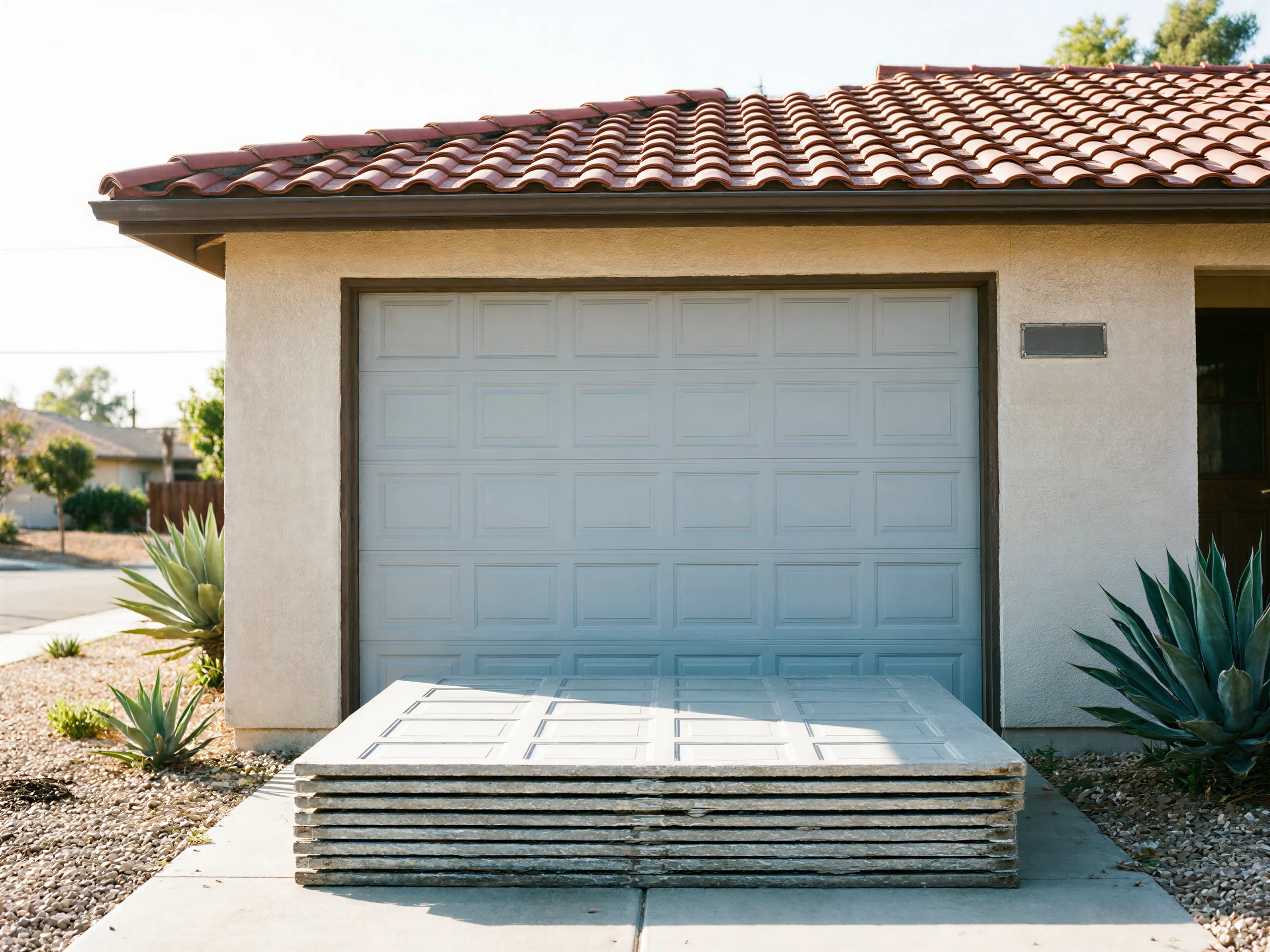
Doors from the mid-1960s were commonly steel sectional with wider, flatter panel profiles than what manufacturers cut now, or they were older wood doors retrofitted onto newer track sometime in the 70s or 80s.
Uncatalogued panel measuring
Either way, when one panel on a 1965 door gets bent or rusted through, you're not walking into a hardware store and grabbing a match. You're measuring a panel that may not exist in current catalogs at all.
Measure before quoting
The fix isn't always a new door - sometimes it's sourcing a panel that fits an opening nobody standardized after 1965 - but you need someone willing to measure before quoting, not someone who defaults straight to full replacement because matching is more work.
What You Are Seeing
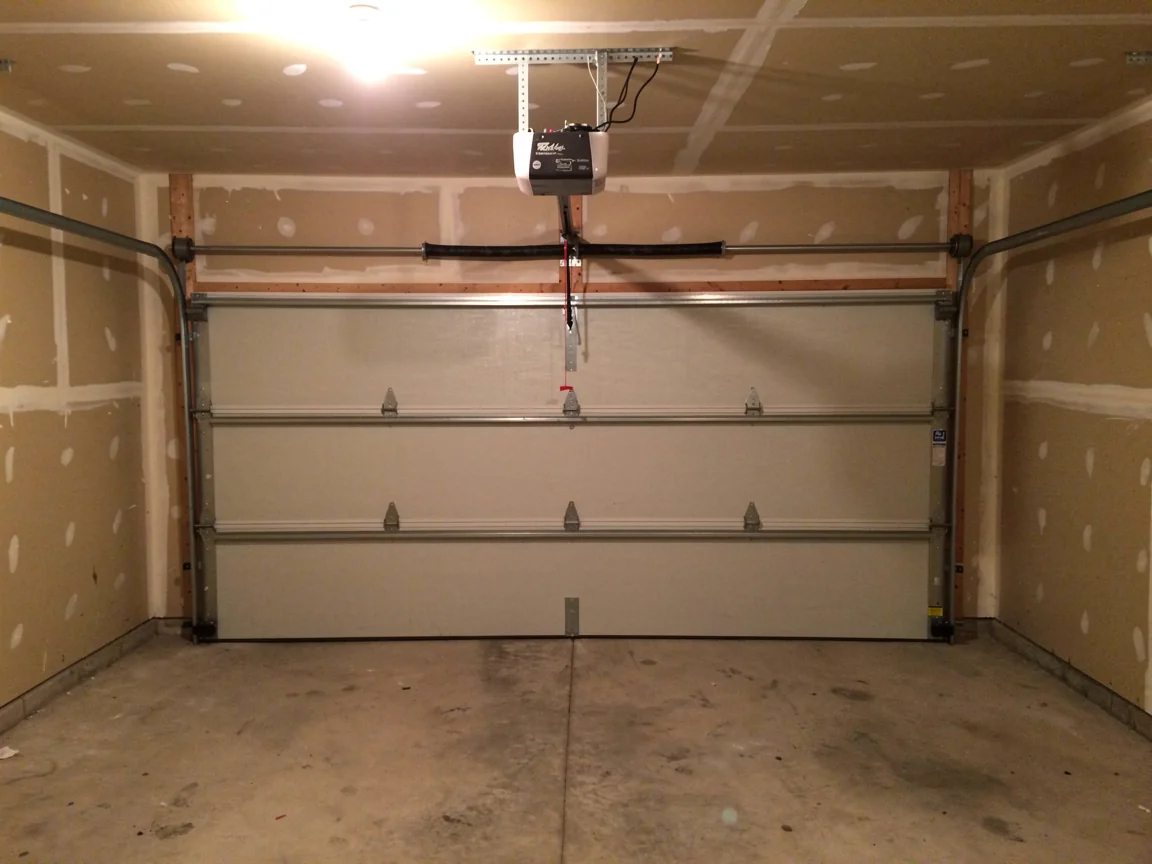
The usual call is a single bottom panel caved in from a car bumper, or a middle panel that's rusted along the bottom seam where water used to sit. On a 1965-era door, that panel often has a groove pattern or raised-rib texture that stopped being made decades ago. You might also see the whole door racking slightly when one panel is weaker than the rest - the remaining panels are taking load they weren't built to carry alone. If your opener strains or reverses on a door that otherwise looks fine except for that one dented section, that's usually the tell: it's not the opener, it's the panel throwing the whole balance off.
Why This Fails Locally
Oak View sits in the same mild temperate band as the rest of the Ventura service area, so you're not dealing with freeze-thaw cracking or monsoon rot - the failures here are mechanical and age-related, not weather-driven in the way they'd be somewhere with hard winters. That's actually good news: panels in this climate usually fail from impact, rust at ground contact, or decades of sun fading and warping thin steel, not from ice damage. The complication is purely the manufacturing gap. A panel built in 1965 was sized to inches and seam spacing that today's standard stock doesn't replicate, so a generic replacement panel bolted onto an original frame often sits proud, sags at the seam, or throws the whole door's balance off by a fraction of an inch that becomes a real problem over a few hundred open-close cycles.
How We Fix It
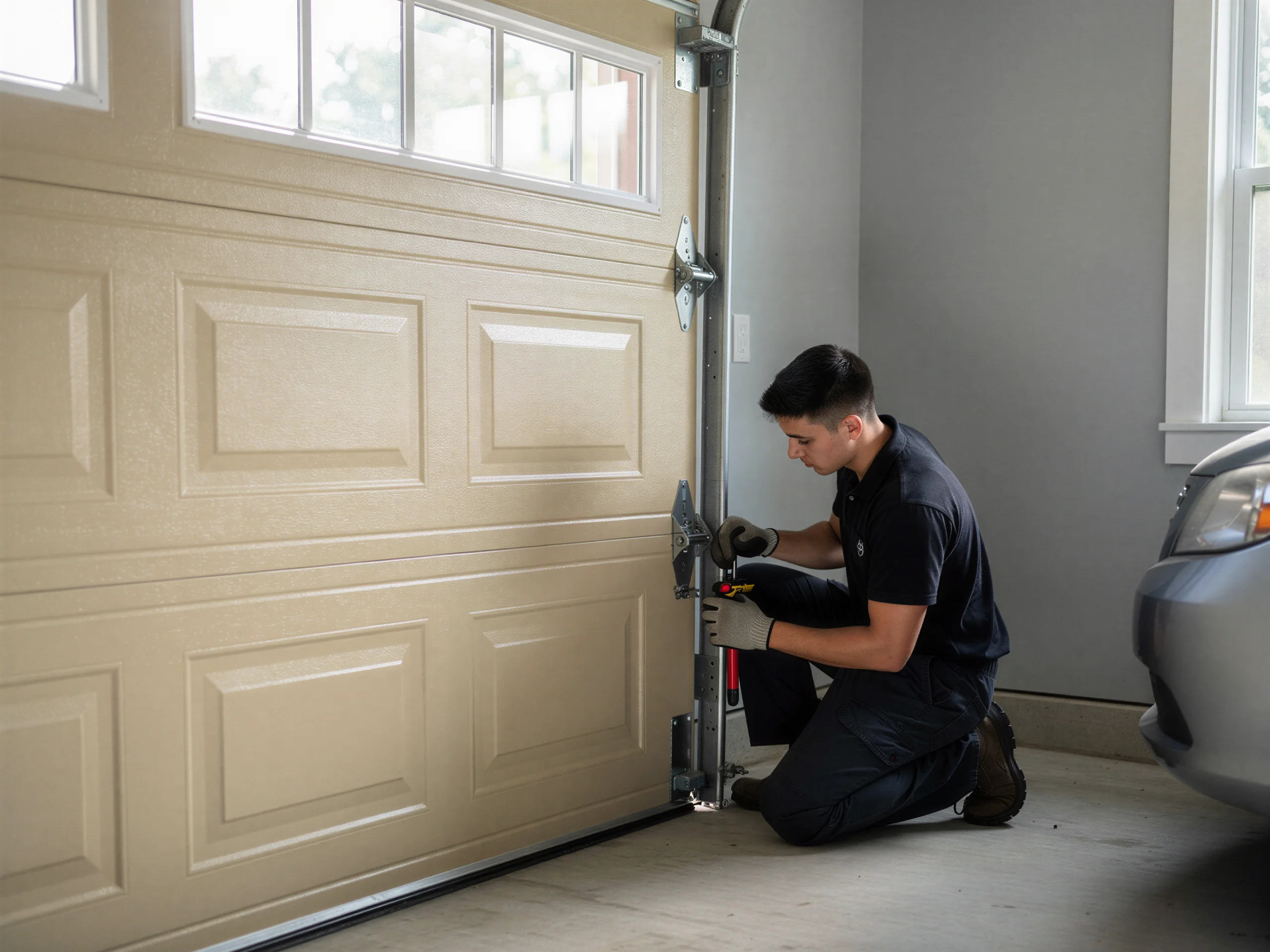
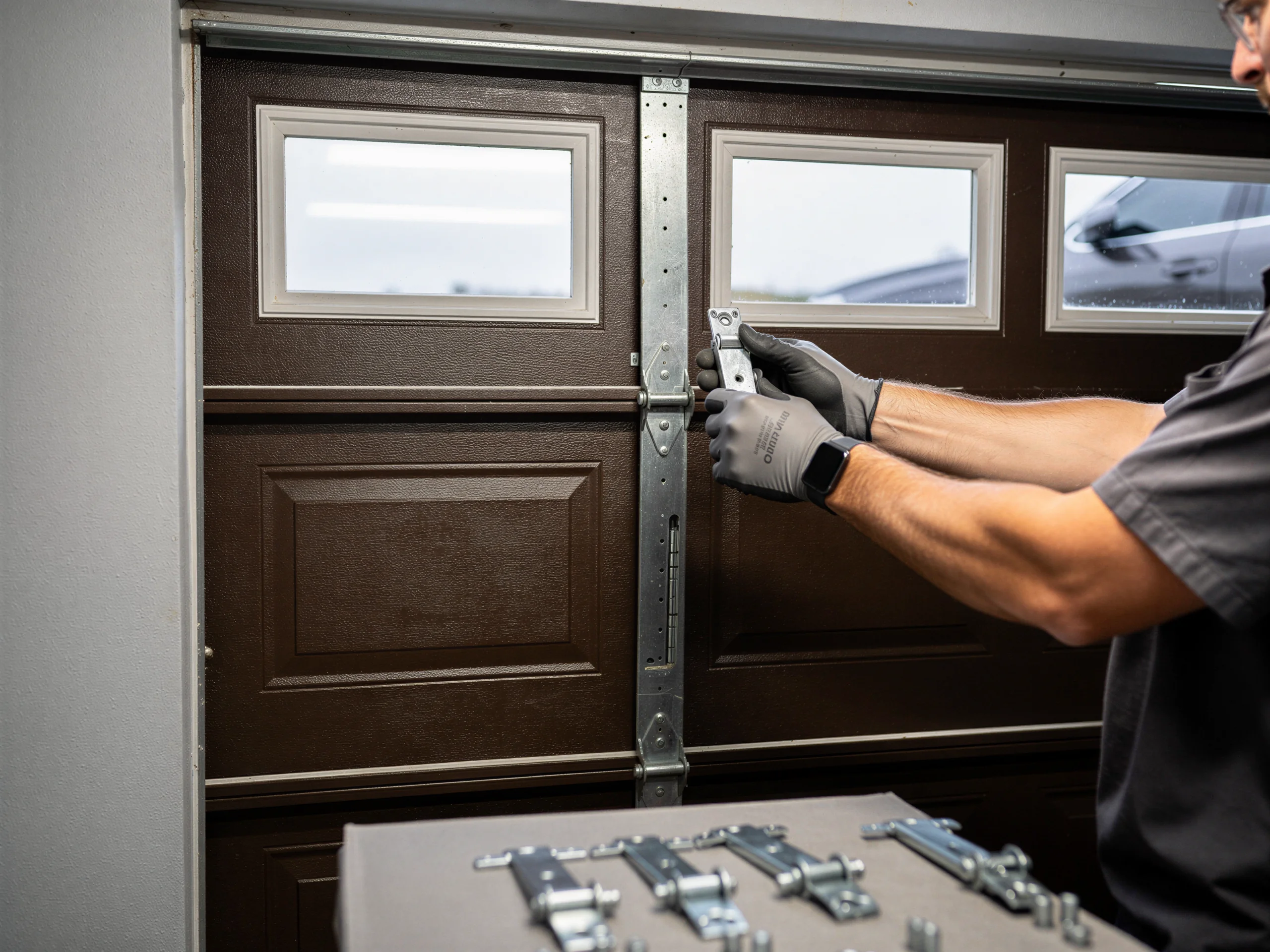
We measure the actual panel - width, seam spacing, gauge - before we quote anything, because guessing on a door this old wastes a trip for both of us.
Shimming and trimming
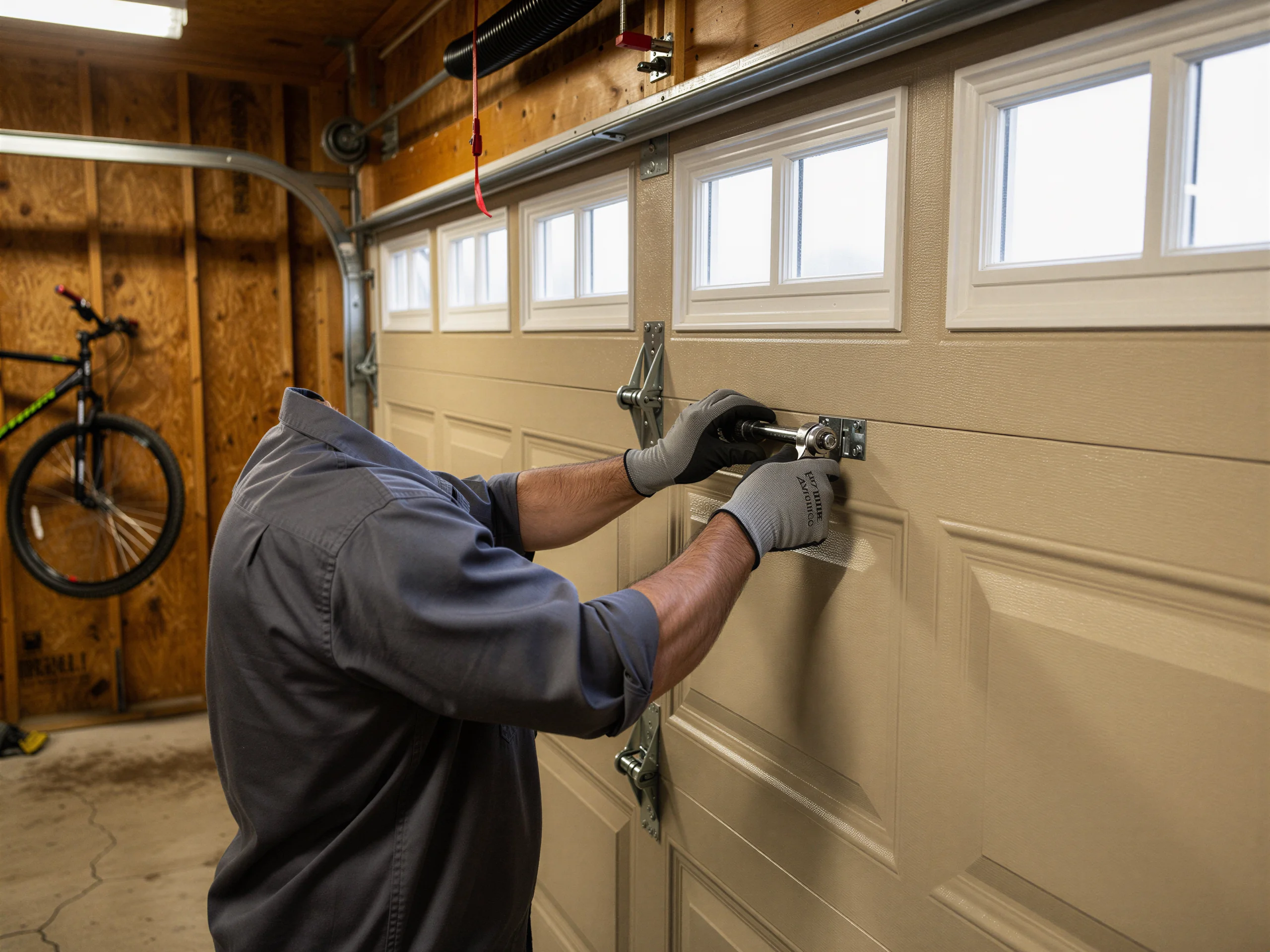
If a close match exists, we install it and shim or trim as needed to get the seams running true. If nothing on the market matches closely enough, we'll tell you straight: full door replacement is the honest answer, not a panel that'll look wrong and bind within a year.
Rebalancing springs after swaps
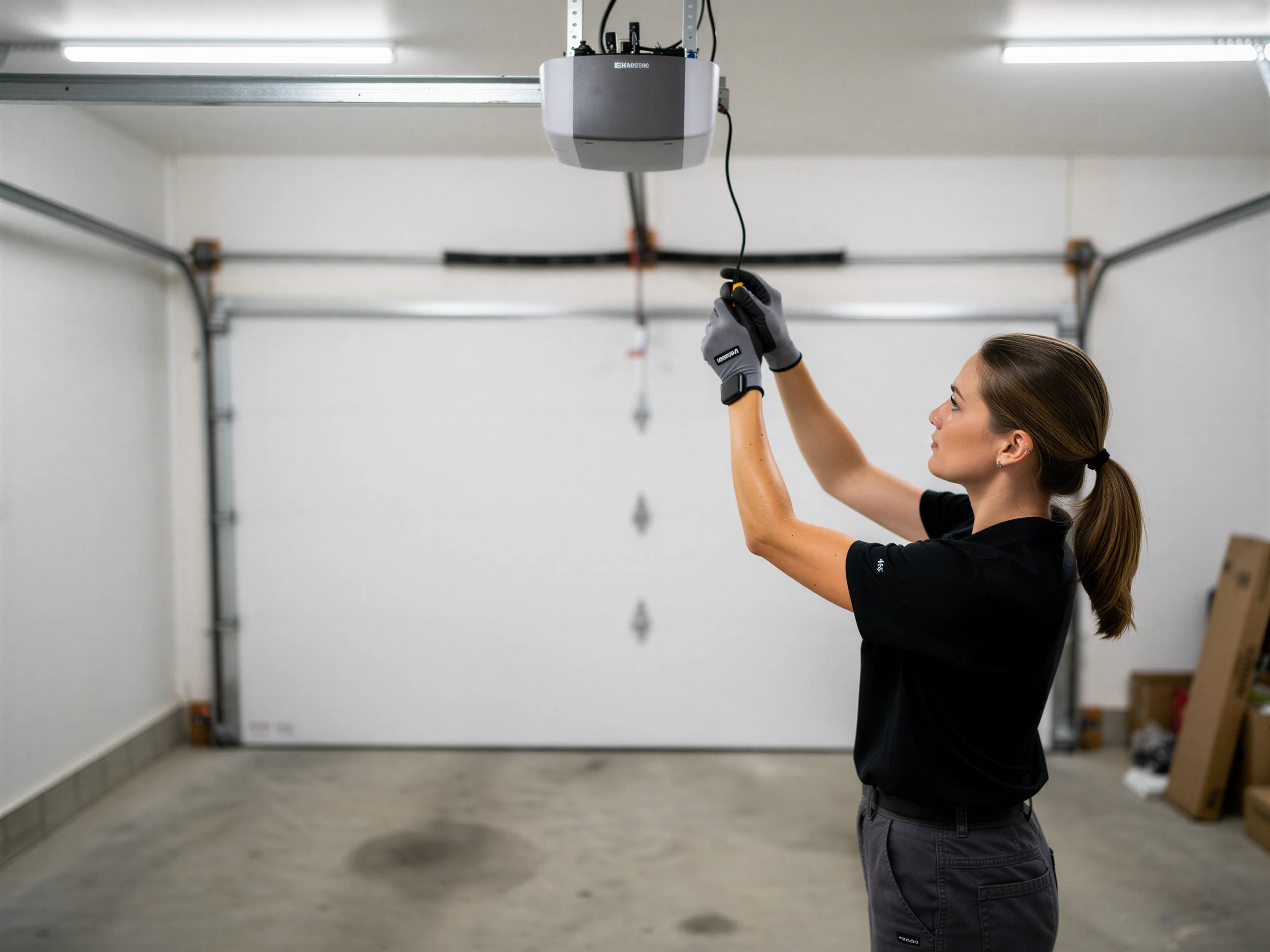
That's the one limitation worth naming here - we don't force a mismatched panel onto an old door just to avoid a harder conversation. Either way we rebalance the springs after any panel swap, since changing even one panel's weight shifts the door's spring tension.
Getting It Booked In
We work Oak View from our Ventura base, about 9 miles out, so there's no local branch to call - just a truck that comes out to look at the actual panel before quoting anything over the phone. Given Oak View's roughly 2,162 households and a housing stock concentrated around 1965, we see this exact mismatch problem often enough that we'd rather look first than estimate blind. See our Oak View service page for what else we cover out this way, or check the full panel replacement details for the Ventura area if you want the broader rundown before you call.
Talk to a local pro
Garage door service in Ventura?
Same-day service with honest, upfront quotes.