What You Are Seeing
The typical house in this part of the valley went up around 1973, right in the middle of the broader 1956-1997 build window that covers most of the service area.
Single-layer steel doors
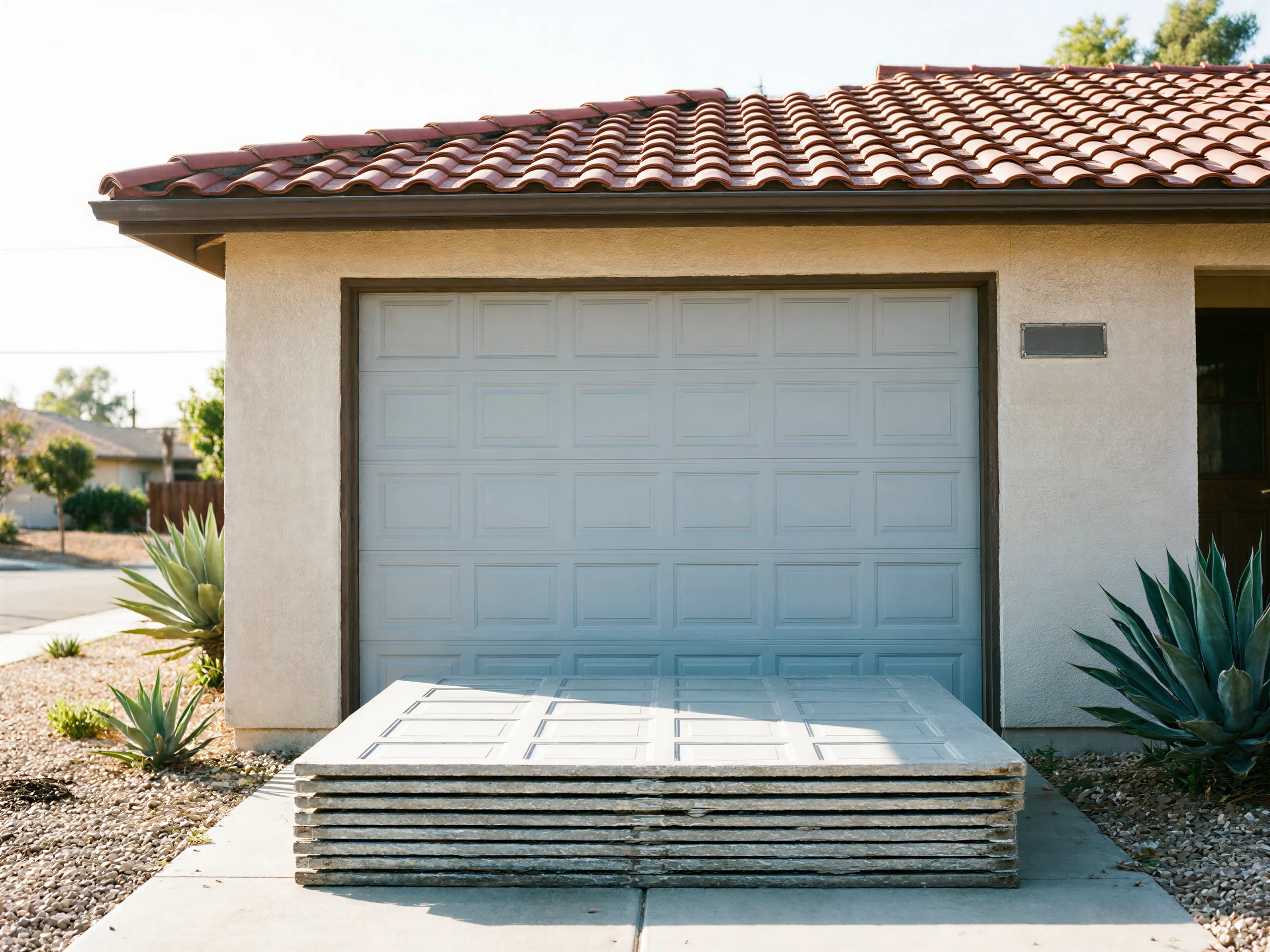
That year matters more than it sounds like it should. A garage built in the early 70s almost always shipped with a single-layer steel sectional door, usually two-inch track, and a drive setup that was never designed to carry today's insulated panels or a belt-drive opener without some rework at the header.
Track spacing surprises
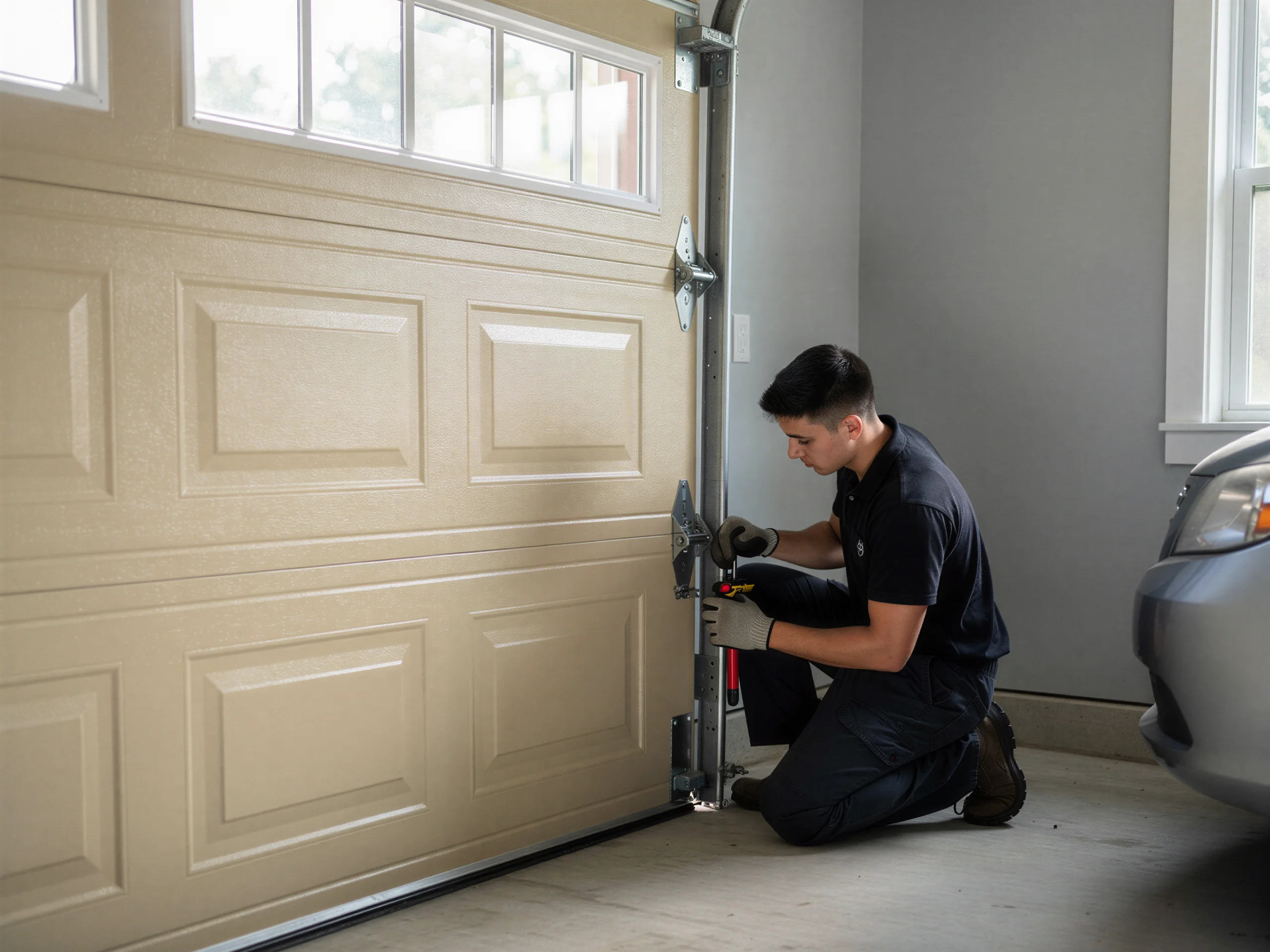
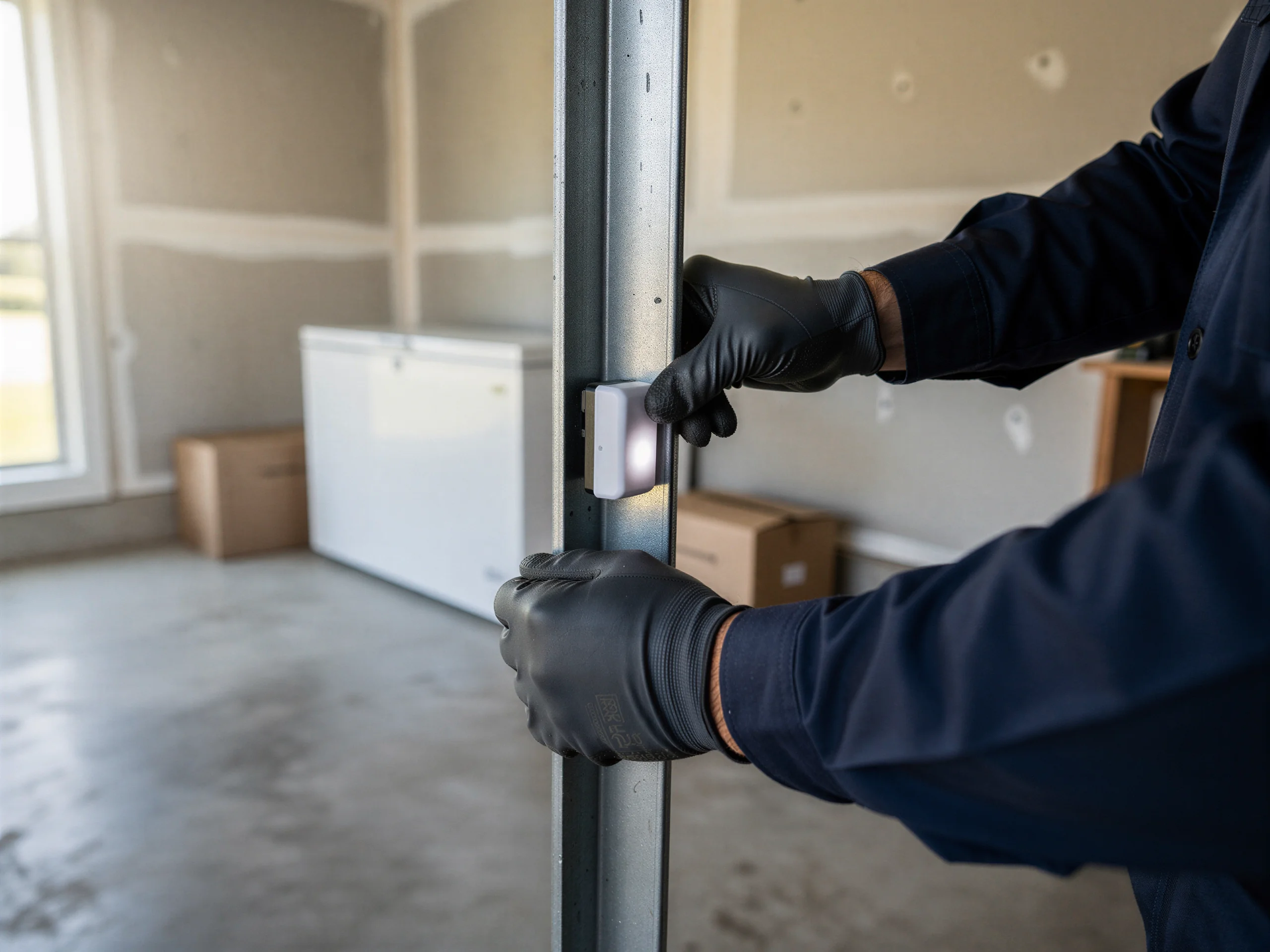
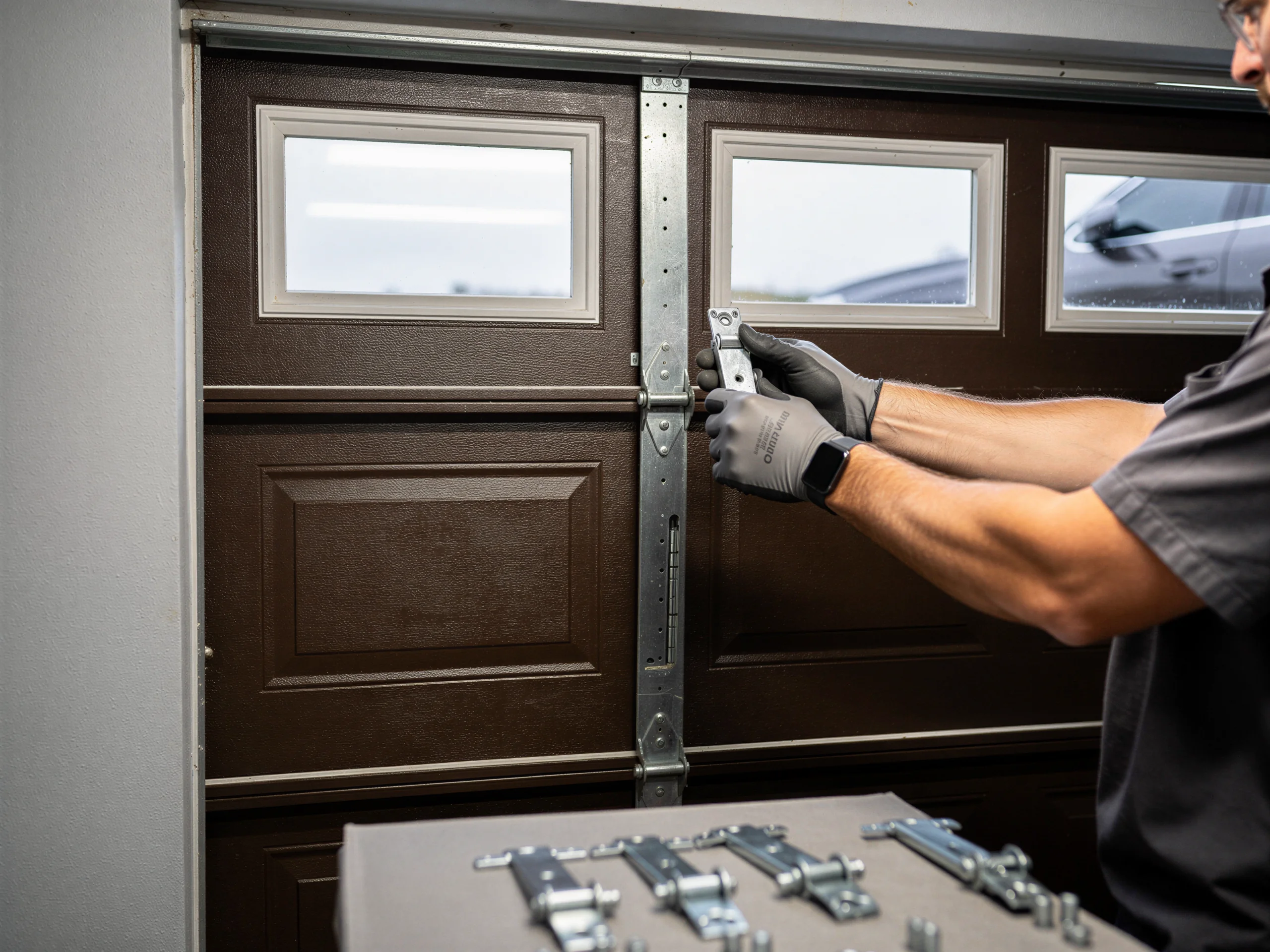
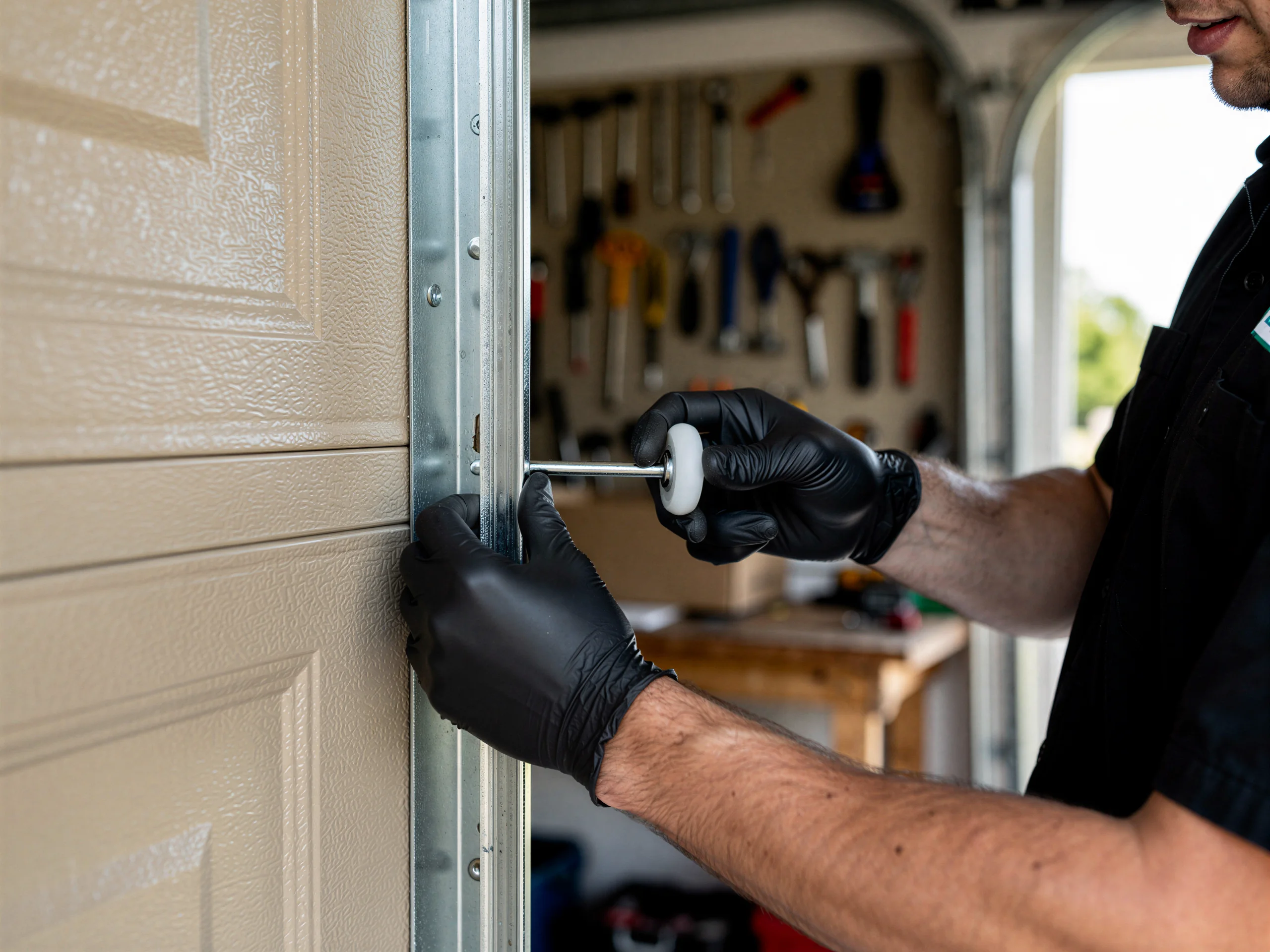
When we get a call for a new install out here, the job is rarely a straight swap. The opening itself is often fine - framing from that era holds up - but the track spacing, the header clearance, and sometimes the bottom bracket anchoring need to be brought up to match a modern door.
Mid-century stock pattern
We see this pattern across the 1960s-70s stock that makes up most of the 14 named areas this company covers, and Mira Monte sits right in that band, not at either edge of it. Income here runs lower than the wider service area average - median household income in Mira Monte is around $77,900, against roughly $93,554 across the full footprint - which is worth mentioning because it shapes which door tiers we quote first, not because it changes the install itself.
Parts We Carry
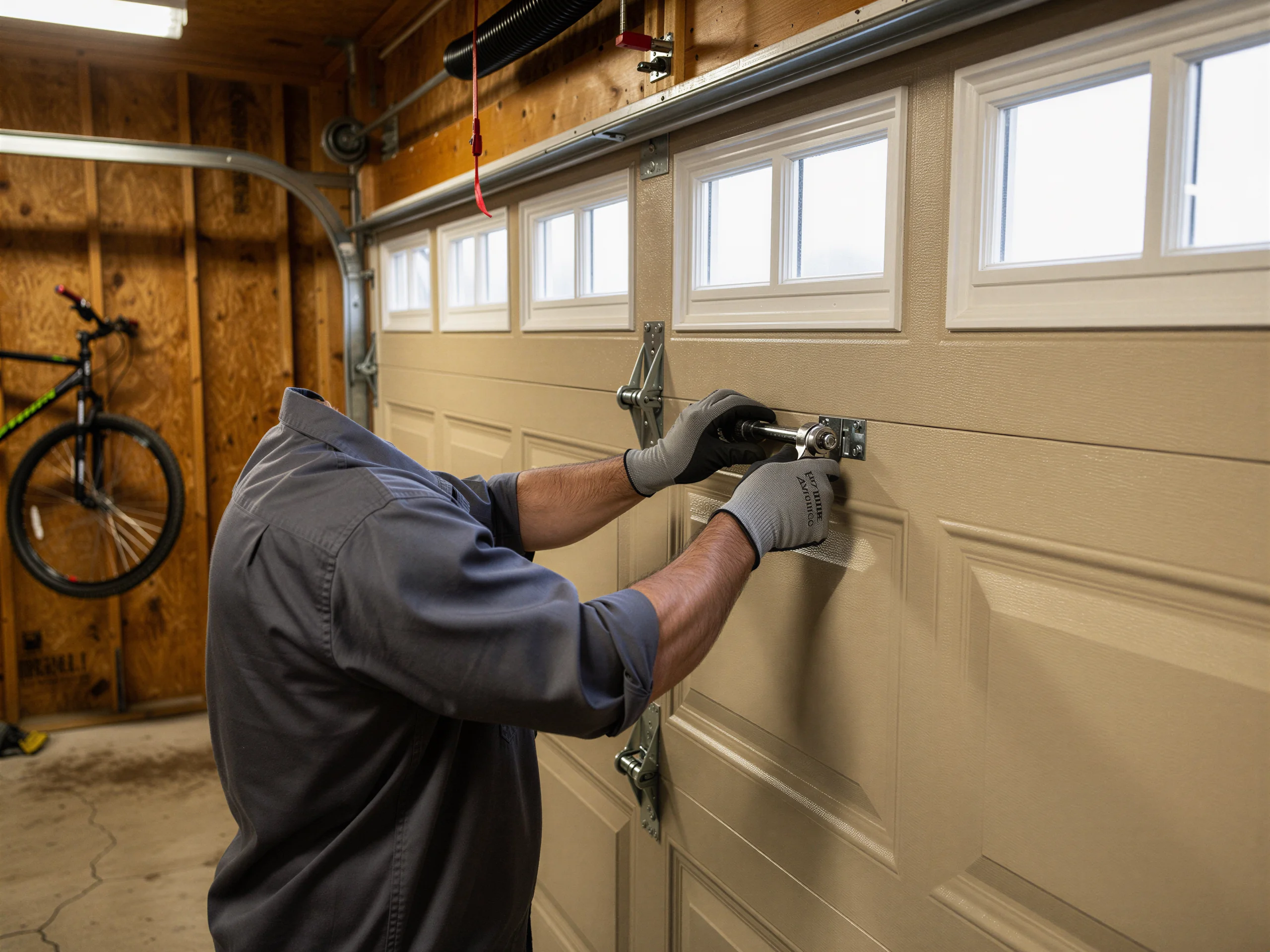
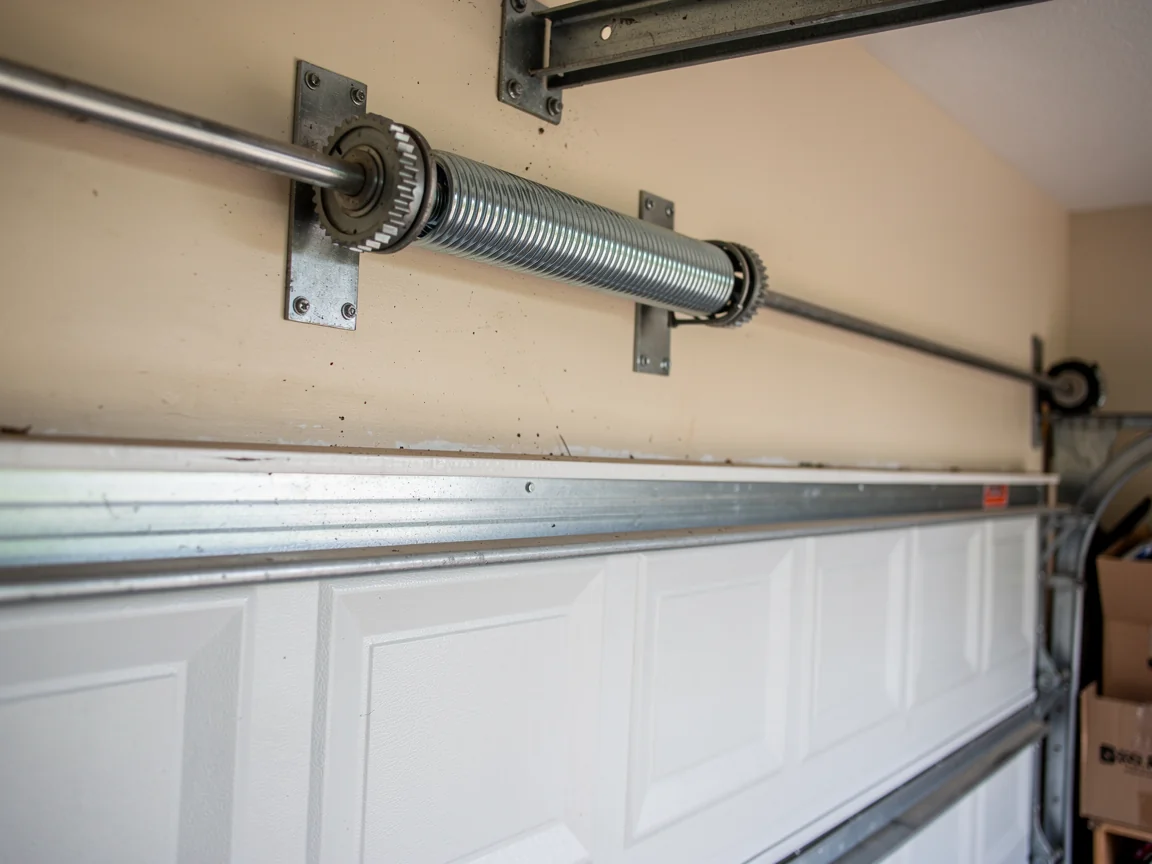
For a 1970s-era opening, the parts list usually includes new vertical track, a reinforced top bracket if the header's shifted at all over fifty years, and torsion hardware sized for the heavier insulated panel you're putting in - most original setups out here were built for a lighter single-layer door and the spring sizing reflects that.
Insulation grades stocked
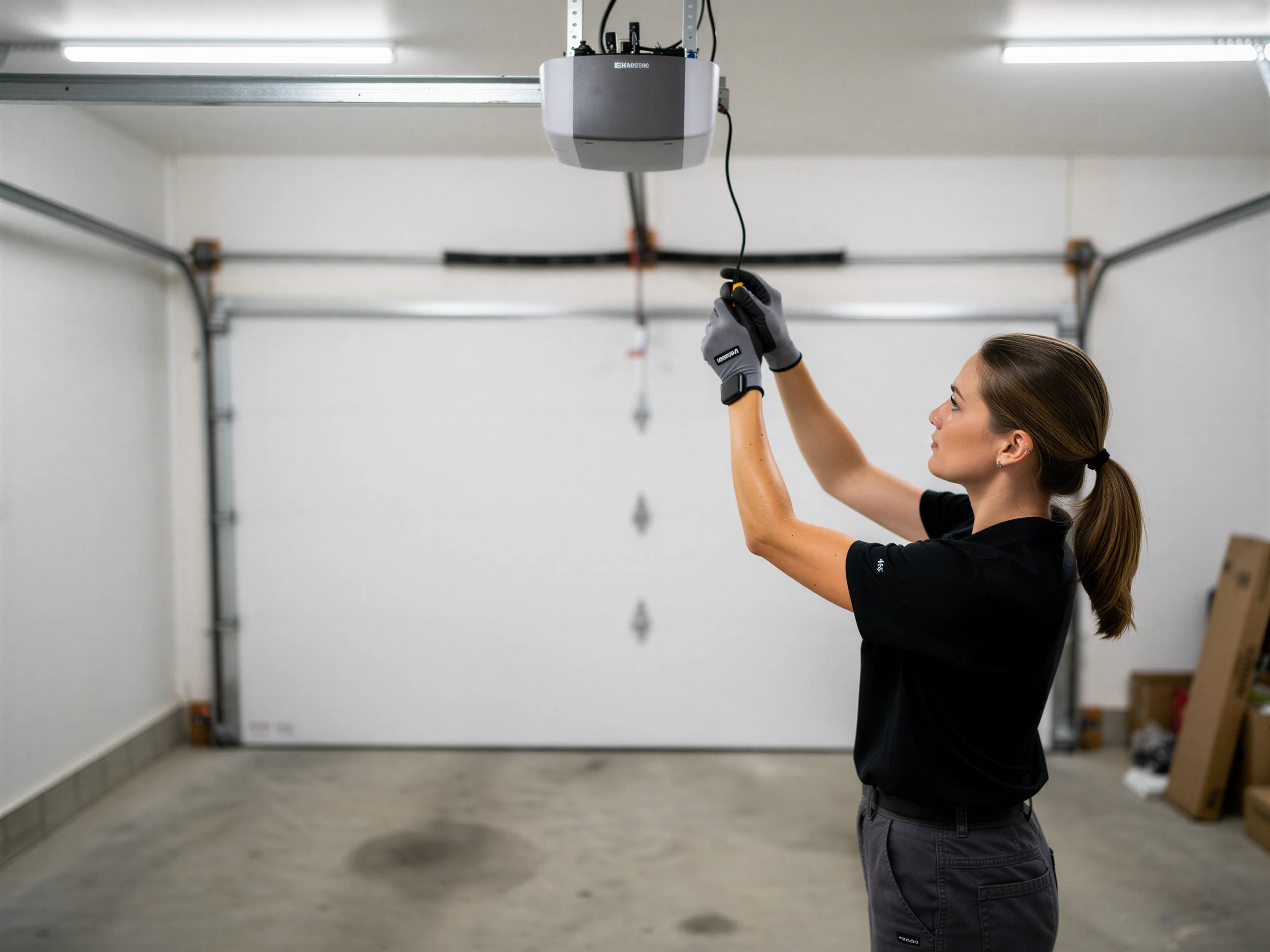
We stock steel sectional doors in a few insulation grades, standard torsion springs rated for the heavier door weight, and openers with battery backup, which gets asked about more in areas prone to outages than the door hardware itself.
Custom wood special orders
We don't stock custom wood doors or anything needing a special order on glazing - those are special-order items with their own lead time, and we'll tell you that up front rather than let it hold up a quote.
Noise and R-value choices
The climate here is mild temperate, so we're not building in heavy insulation specs the way a colder region would need; most homeowners are choosing based on noise, look, and R-value for the attached-garage heat bleed, not frost protection.
Getting It Booked In
We run out of Ventura, about 11 miles from Mira Monte, so scheduling works around that drive rather than a local depot. When you call, we'll ask the age of the house (helpful shorthand given how consistent the 1973-ish build stock is out here), the current door's width and whether it's single or double, and whether the opener is original or already replaced.
For a full install - not just a repair - we typically need to see the opening in person before locking a final quote, since headroom and track clearance vary even within houses built the same year. We'll give you a window for the visit and work the install around what parts need to come from stock versus what needs ordering.
Can You Do This Yourself
Swapping panels is within reach for someone comfortable with tools if the track and spring sizing are already correct. Setting torsion spring tension on a full new install is not a place to save money - wound wrong, it's a hospital trip, and on a heavier insulated door replacing a lighter 1970s original, the spring count and wire size usually change too, which isn't something to guess at. If your opening is original from that era and you're going to a heavier door, get the header and track checked before you buy anything, because an opener rated wrong for the new weight will burn out inside a year.
Talk to a local pro
Garage door service in Ventura?
Same-day service with honest, upfront quotes.